 0
0
 0
0
Why Hamas Mandatory Disarmament Remains Elusive
Gulf states including Saudi Arabia, the United Arab Emirates, and Qatar have made it clear that large scale funding for Gaza reconstruction will not move forward unless Hamas disarms and enforceable security guarantees are established. Despite diplomatic pressure, mandatory disarmament remains out of reach.
The recent reopening of the Rafah crossing highlights the gap between ceasefire announcements and on the ground realities. The crossing opened for the first time in nearly two years, yet only a small number of people were allowed through on the first day. Five medical patients and their companions were among those permitted to cross, alongside just over a dozen others.
Families spent the night in cold conditions near the border, waiting through long Israeli and Egyptian biometric security checks. The limited movement underscored ongoing security concerns and the lack of operational clarity following the ceasefire.
Ambulances waited on both sides of the crossing to transport critical medical cases. European Union monitors supervised processing at checkpoints, while aid staging areas on the Egyptian side remained largely empty. Humanitarian workers reported uncertainty over coordination procedures and next steps, raising questions about the pace of relief efforts.
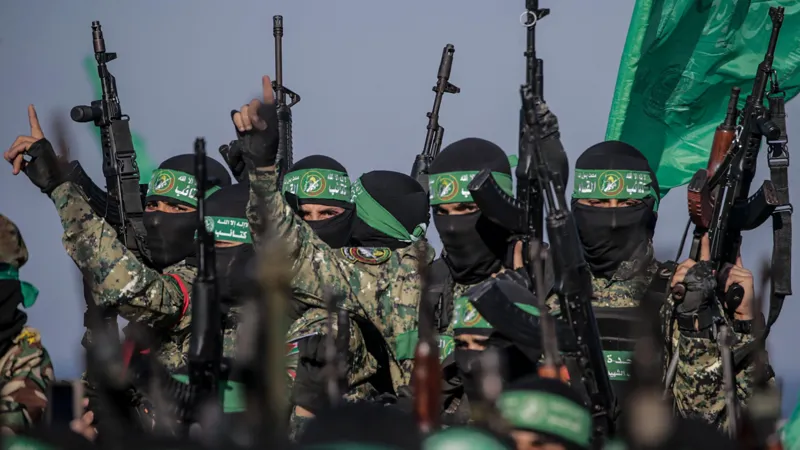
Hamas resistance to disarmament remains a central obstacle. The group views its weapons as essential leverage and protection, while regional and international actors see disarmament as a prerequisite for stability and rebuilding. Without verifiable security mechanisms, Gulf donors remain unwilling to release billions of dollars pledged for Gaza reconstruction.
The situation reflects a broader challenge facing post conflict Gaza. While ceasefire measures have reduced immediate hostilities, progress on border access, humanitarian aid, and long term rebuilding continues to depend on unresolved political and security conditions.