


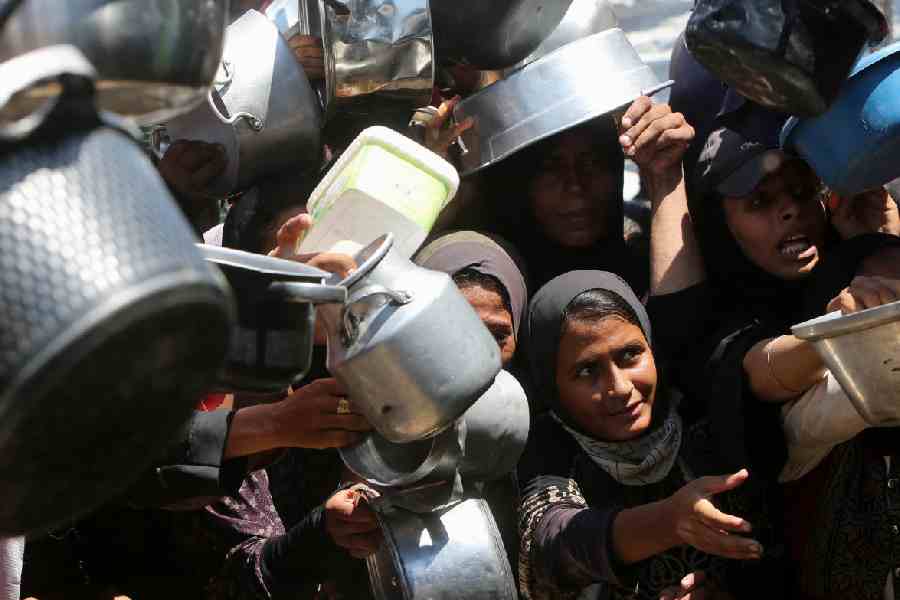
The WFP Syria emergency aid cuts have raised fresh concerns over worsening hunger conditions across the country, as the United Nations agency confirmed it has reduced food assistance due to severe funding shortages. The World Food Programme said millions of Syrians still depend heavily on humanitarian support despite some improvements in security conditions in recent months.
According to the agency, the number of people receiving emergency food assistance in Syria dropped significantly in May, falling from 1.3 million beneficiaries to around 650,000. The reduction affects vulnerable families already struggling with high food prices, unemployment, and damaged infrastructure after more than a decade of conflict.


WFP Reduces Emergency Food Assistance Across Syria
The World Food Programme announced that operations have now been scaled back in several parts of the country. Previously active in all 14 Syrian governorates, the agency said it is now operating in only seven governorates because of limited funding availability.
The WFP Syria emergency aid cuts come at a time when humanitarian organizations continue to warn that food insecurity remains widespread across Syria. While some areas have experienced relative stability, economic hardship continues to impact millions of households.
Number of Beneficiaries Drops Sharply
The agency confirmed that emergency food assistance recipients were reduced by half in May. This marks one of the most significant aid reductions seen in Syria in recent years.
Key figures released by the WFP include:
- Emergency food recipients reduced from 1.3 million to 650,000
- Operations scaled back from 14 governorates to 7
- Around 7.2 million Syrians remain food insecure
- Approximately 1.6 million people face severe hunger conditions
The agency stated that the cuts were caused entirely by financial shortages rather than a decline in humanitarian needs.
Funding Challenges Continue to Grow
Humanitarian funding for Syria has faced increasing pressure over the past year. Several donor countries have reduced international aid budgets, affecting relief operations across multiple regions.
The United States, historically one of the largest contributors to humanitarian programs worldwide, has reportedly reduced portions of its foreign assistance spending. Other countries have also announced cuts to humanitarian and development funding programs.
As a result, aid agencies operating in Syria are struggling to maintain existing support systems for vulnerable populations.
Millions Remain Vulnerable to Hunger
Despite reduced fighting in several areas, humanitarian groups say living conditions inside Syria remain difficult for many families. Food inflation, unemployment, and damaged public infrastructure continue to limit access to basic necessities.
The WFP Syria emergency aid cuts are expected to increase pressure on households already coping with severe economic hardship.
Families Are Skipping Meals
The World Food Programme reported that many Syrian households have already begun adopting negative coping mechanisms due to food shortages.
Some of the most common challenges include:
- Reducing meal portions
- Eating less nutritious foods
- Skipping meals entirely
- Borrowing money for food purchases
- Selling household belongings to survive
Humanitarian experts warn that these conditions could worsen if funding gaps continue over the coming months.
Economic Conditions Remain Severe
Syria’s economy has faced years of instability following prolonged conflict that damaged roads, hospitals, schools, farms, and businesses across the country.
Although violence has decreased in some regions since the removal of former President Bashar al Assad in late 2024, recovery efforts remain slow. Large sections of the population continue to rely on humanitarian aid to meet daily food needs.
The country’s weakened economy has also contributed to rising food prices and reduced purchasing power for ordinary citizens.
Bread Subsidy Program Also Suspended
One of the major consequences of the WFP Syria emergency aid cuts is the suspension of a bread subsidy initiative that supported hundreds of bakeries across vulnerable communities.
The program had been supplying fortified wheat flour to more than 300 bakeries, helping provide affordable bread to millions of Syrians every day.
Impact on Daily Bread Supply
Bread remains one of the most essential staple foods for families in Syria. The suspension of the subsidy program may place additional strain on low income households already struggling with food affordability.
According to the agency, the initiative had previously supported up to four million people daily in some of the country’s most vulnerable areas.
The closure of the program may also affect local bakeries that relied on subsidized flour supplies to maintain lower bread prices.
Aid Agencies Warn of Long-Term Risks
Humanitarian organizations have repeatedly warned that reductions in food support could increase malnutrition risks, especially among children, pregnant women, and elderly populations.
Aid experts say prolonged food insecurity can also affect:
- Child development
- School attendance
- Public health conditions
- Community stability
- Household income recovery
The World Food Programme emphasized that humanitarian needs inside Syria remain extremely high despite the reduction in conflict intensity.


WFP Appeals for Additional Funding
The UN agency said it urgently requires additional financial support to continue humanitarian operations inside Syria during the second half of the year.
According to the organization, approximately $189 million is needed between June and November to sustain and restore assistance programs.
Humanitarian Funding Gap Expands
Global humanitarian agencies have increasingly faced funding shortages as international crises compete for donor support. Relief programs in multiple regions have been forced to reduce services or prioritize only the most vulnerable populations.
The WFP Syria emergency aid cuts reflect broader challenges affecting humanitarian operations worldwide.
Aid agencies continue to call on international donors to increase support for emergency food programs and refugee assistance efforts.
Concerns Over Future Food Security
Analysts warn that without additional funding, more Syrians may lose access to food assistance in the coming months.
Humanitarian groups also fear that reduced aid could slow recovery efforts in areas beginning to stabilize after years of conflict.
The situation remains particularly concerning for displaced families, unemployed households, and communities with limited access to basic services.
Syrian Refugees in Neighboring Countries Also Affected
The funding crisis is not limited to Syria alone. The World Food Programme said aid reductions are also impacting Syrian refugees living in neighboring countries across the region.
Jordan Refugee Assistance Reduced
In Jordan, the agency halted cash based food assistance for approximately 135,000 Syrian refugees living within host communities.
However, reduced support will continue for around 85,000 refugees currently residing in camps.
Humanitarian officials warn that many refugee families depend heavily on aid support to cover food and living expenses.
Egypt and Lebanon Facing Similar Challenges
In Egypt, food assistance for roughly 20,000 Syrian refugees has also been reduced due to financial constraints.
Meanwhile, many Syrian refugee households in Lebanon remain highly dependent on humanitarian aid programs as economic conditions continue to deteriorate.
Aid agencies operating across the Middle East say regional refugee support systems remain under significant pressure because of shrinking international funding.
Global Attention on Syria Humanitarian Crisis
The WFP Syria emergency aid cuts have renewed international attention on the country’s ongoing humanitarian challenges. While security conditions have improved in some areas, millions of people continue to face daily struggles linked to hunger, unemployment, and displacement.
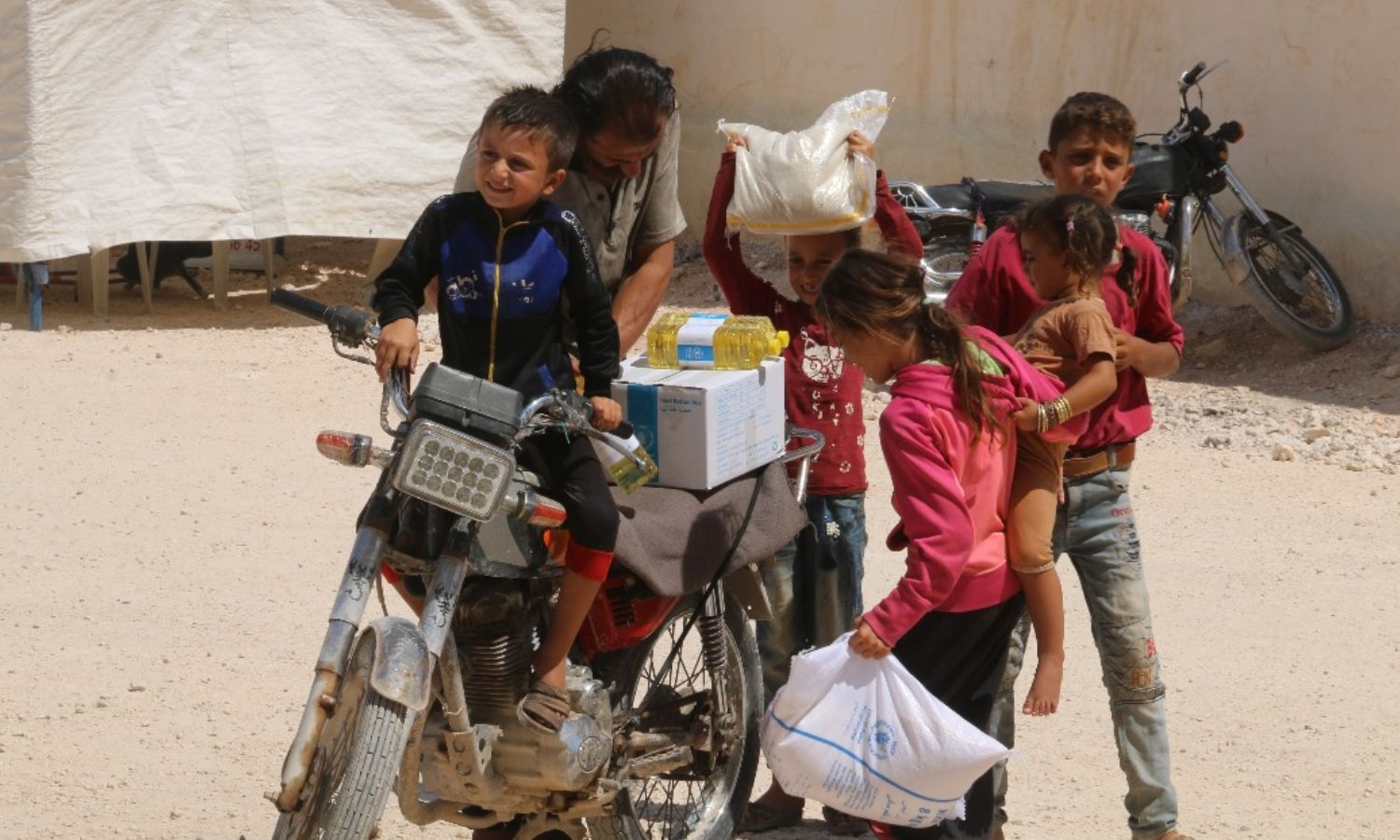

Humanitarian organizations maintain that sustained international support will remain essential for stabilizing vulnerable communities and preventing deeper food insecurity across Syria and neighboring refugee hosting countries.
FAQ
Why did the WFP reduce food aid in Syria?
The World Food Programme reduced emergency food assistance mainly because of severe funding shortages. The agency stated that humanitarian needs remain high despite the cuts.
How many Syrians are affected by the WFP Syria emergency aid cuts?
Around 7.2 million Syrians remain food insecure, while approximately 1.6 million people are experiencing severe hunger conditions.
What programs were suspended because of the funding crisis?
The WFP suspended a bread subsidy program that supported more than 300 bakeries and helped provide affordable bread to millions of people daily.
Are Syrian refugees outside Syria also affected?
Yes. Refugees in countries including Jordan, Egypt, and Lebanon are also experiencing reduced food assistance because of ongoing funding shortages.
The reduction in humanitarian assistance highlights the continuing challenges facing Syria years after the start of the conflict. Although some regions have become more stable, millions of people still rely on food aid and emergency support programs. Humanitarian agencies continue to stress the importance of sustained international funding to prevent worsening hunger and economic hardship across Syria and neighboring refugee communities.
Click here for more news


