


The Venice Biennale jury resignation Israel Russia controversy has shaken one of the world’s most prestigious contemporary art exhibitions after members of the award jury resigned in protest over the participation of Israel and Russia in the event.
The resignation comes amid rising geopolitical tensions that have spilled into the cultural and artistic space, turning the Venice Biennale into one of its most politically charged editions in recent memory.
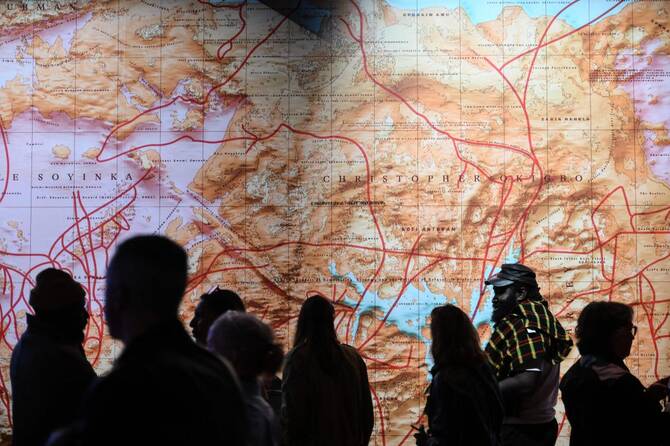

Jury Resignation Shakes Venice Biennale Awards Process
The Venice Biennale, known globally for showcasing contemporary art and awarding the prestigious Golden Lions, faced unexpected disruption when members of its jury stepped down.
What Triggered the Resignation
The jury reportedly resigned in protest over:
- The inclusion of Israel in the exhibition
- The participation of Russia despite ongoing global tensions
- Concerns about political neutrality in cultural events
These concerns became central to the Venice Biennale jury resignation Israel Russia debate dominating international art discussions.
Impact on Golden Lion Awards
The resignation affected the jury responsible for:
- Selecting top artistic works
- Awarding the Golden Lion prize
- Evaluating national pavilions
This disruption raised concerns about how awards would proceed for the current edition.
Geopolitical Tensions Spill Into Global Art Scene
The Venice Biennale has long been a platform for global artistic expression, but this year’s edition has been heavily influenced by international politics.
Rising Political Pressure on Cultural Institutions
Observers noted increasing pressure on cultural events to take positions on global conflicts, particularly regarding:
- Ongoing conflicts involving Russia
- Human rights allegations tied to various states
- Debate over neutrality in international exhibitions
These tensions played a key role in the Venice Biennale jury resignation Israel Russia incident.
Role of International Criminal Court Context
Reports indicated that the jury’s protest was linked to participation of countries under scrutiny by international legal bodies for alleged human rights violations.
Key concerns raised include:
- Whether cultural events should exclude certain nations
- How political accountability affects artistic representation
- The role of international law in cultural diplomacy
Protests Outside National Pavilions Intensify Situation
Alongside the jury resignation, public demonstrations also took place outside specific national pavilions during the exhibition.
Demonstrations at the Venue
Protests were reported near:
- Israeli pavilion displays
- Russian exhibition areas
- High-traffic visitor zones within the Biennale
Nature of the Protests
Demonstrators raised concerns including:
- Calls for boycott of certain national representations
- Criticism of government policies linked to conflicts
- Demands for stronger ethical guidelines in art exhibitions
These protests further amplified the impact of the Venice Biennale jury resignation Israel Russia controversy.
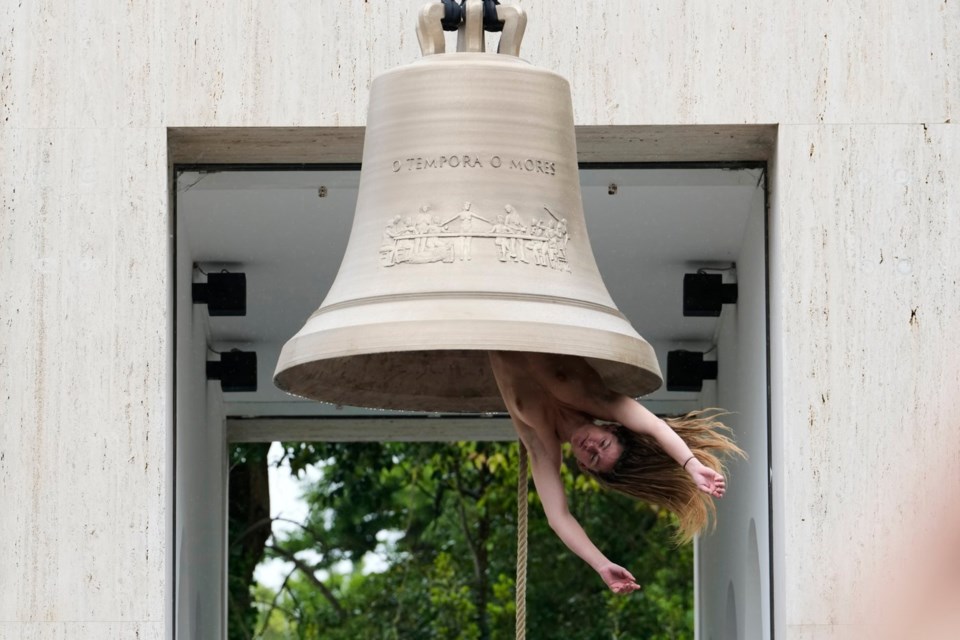

Debate Over Neutrality in Global Art Exhibitions
The resignation has sparked broader discussions about whether international art exhibitions can remain politically neutral.
Arguments Supporting Jury Protest
Supporters of the resignation argue that:
- Art should not separate itself from global ethics
- Cultural platforms should reflect accountability
- Participation of certain states may conflict with humanitarian principles
Counterarguments from Critics
Other voices in the art community suggest:
- Art exhibitions should remain politically neutral
- Excluding countries risks censorship concerns
- Cultural dialogue can exist even during political conflict
Venice Biennale’s Role in Global Cultural Dialogue
The Venice Biennale is one of the oldest and most influential contemporary art exhibitions in the world, often reflecting global cultural and political shifts.
Why the Biennale Matters
The exhibition is significant because it:
- Showcases national pavilions from dozens of countries
- Influences global contemporary art trends
- Provides a platform for cultural diplomacy
Increasing Political Sensitivity
In recent years, the event has increasingly become a space where:
- Political conflicts intersect with artistic expression
- National representation becomes controversial
- Cultural institutions face public scrutiny
This context helps explain the intensity behind the Venice Biennale jury resignation Israel Russia situation.
Broader Implications for International Art Events
The resignation may influence how future global exhibitions handle political participation.
Potential Future Changes
Experts suggest possible outcomes could include:
- New ethical guidelines for participation
- Revised selection criteria for juries
- Increased transparency in cultural governance
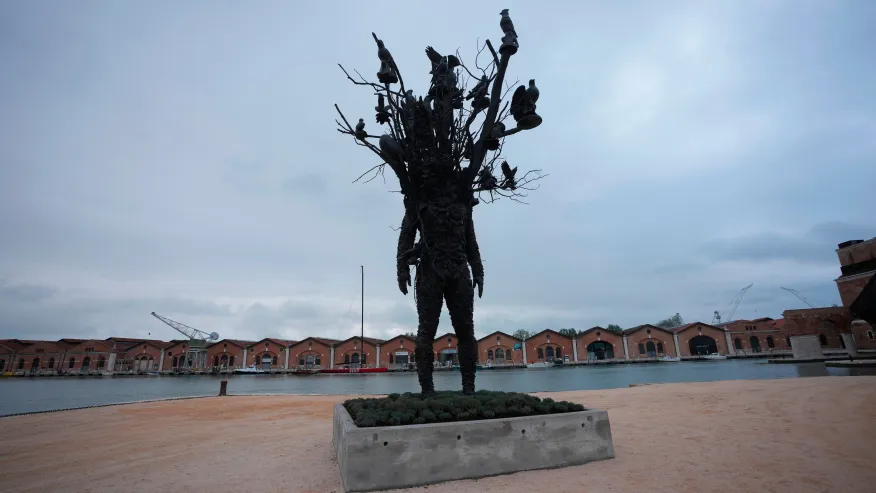

Ongoing Debate in Art Communities
The incident has intensified discussions on:
- Freedom of artistic expression
- Responsibility of cultural institutions
- Intersection of politics and global exhibitions
FAQ
Why did the Venice Biennale jury resign?
The jury resigned in protest over the participation of Israel and Russia amid concerns about geopolitical and human rights issues.
What is the Venice Biennale?
The Venice Biennale is one of the world’s leading international contemporary art exhibitions, featuring national pavilions and global artists.
How does politics affect the Venice Biennale?
Political tensions influence participation, protests, and debates over which countries should be represented.
What are the Golden Lions at the Venice Biennale?
The Golden Lions are the top awards given for outstanding artistic contributions at the exhibition.
Conclusion
The Venice Biennale jury resignation Israel Russia controversy highlights how global politics increasingly intersects with cultural and artistic institutions. As debates continue over neutrality, participation, and ethical responsibility, the Venice Biennale remains a focal point for discussions on the role of art in a politically complex world.
Click here for more news


