


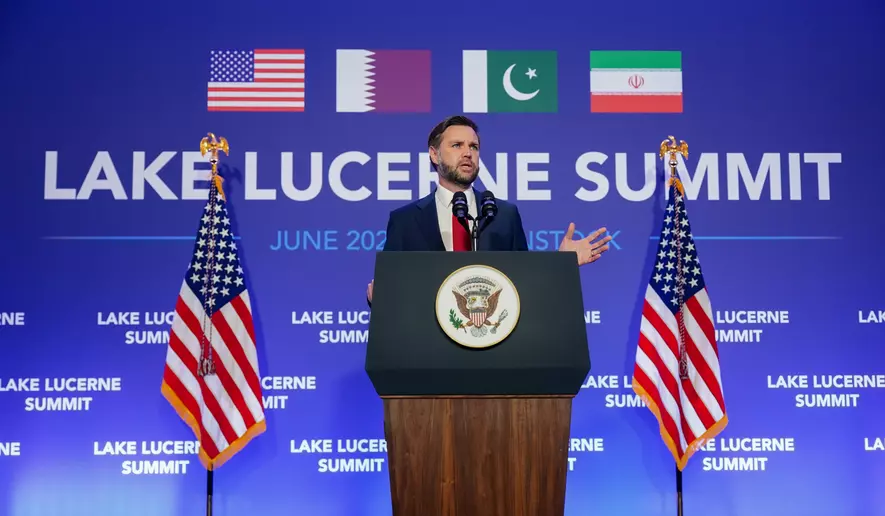
The latest Vance Iran nuclear inspectors announcement has raised hopes for a potential breakthrough in negotiations between the United States and Iran. Speaking after high-level talks in Switzerland, US Vice President J.D. Vance said Iran had agreed to allow inspectors from the United Nations nuclear watchdog agency access to its nuclear facilities.
The development is being viewed as a significant step toward a broader agreement aimed at ending a conflict that has lasted for nearly five months. While negotiators cautioned that major issues remain unresolved, both sides described the recent discussions as productive.
According to Vance, the agreement establishes a foundation for future negotiations, although a final settlement has yet to be reached.


US and Iran Report Progress in Switzerland Talks
The discussions took place at the Bürgenstock Resort near Lucerne, Switzerland, where American and Iranian officials participated in marathon negotiations.
Vance described the outcome as a positive starting point rather than a completed agreement.
He told reporters that negotiators had successfully laid the groundwork for future progress, comparing the current framework to a foundation upon which a final deal could eventually be built.
The Vance Iran nuclear inspectors development emerged as one of the most significant outcomes of the talks.
Key Areas Discussed During Negotiations
Officials indicated that several major topics were addressed during the negotiations, including:
• Iran’s nuclear program
• International inspections
• Oil exports
• Economic sanctions
• Regional security concerns
• The Strait of Hormuz
• Reconstruction initiatives
• Ceasefire arrangements involving regional conflicts
Negotiators from both countries reportedly worked through multiple sessions over two days.
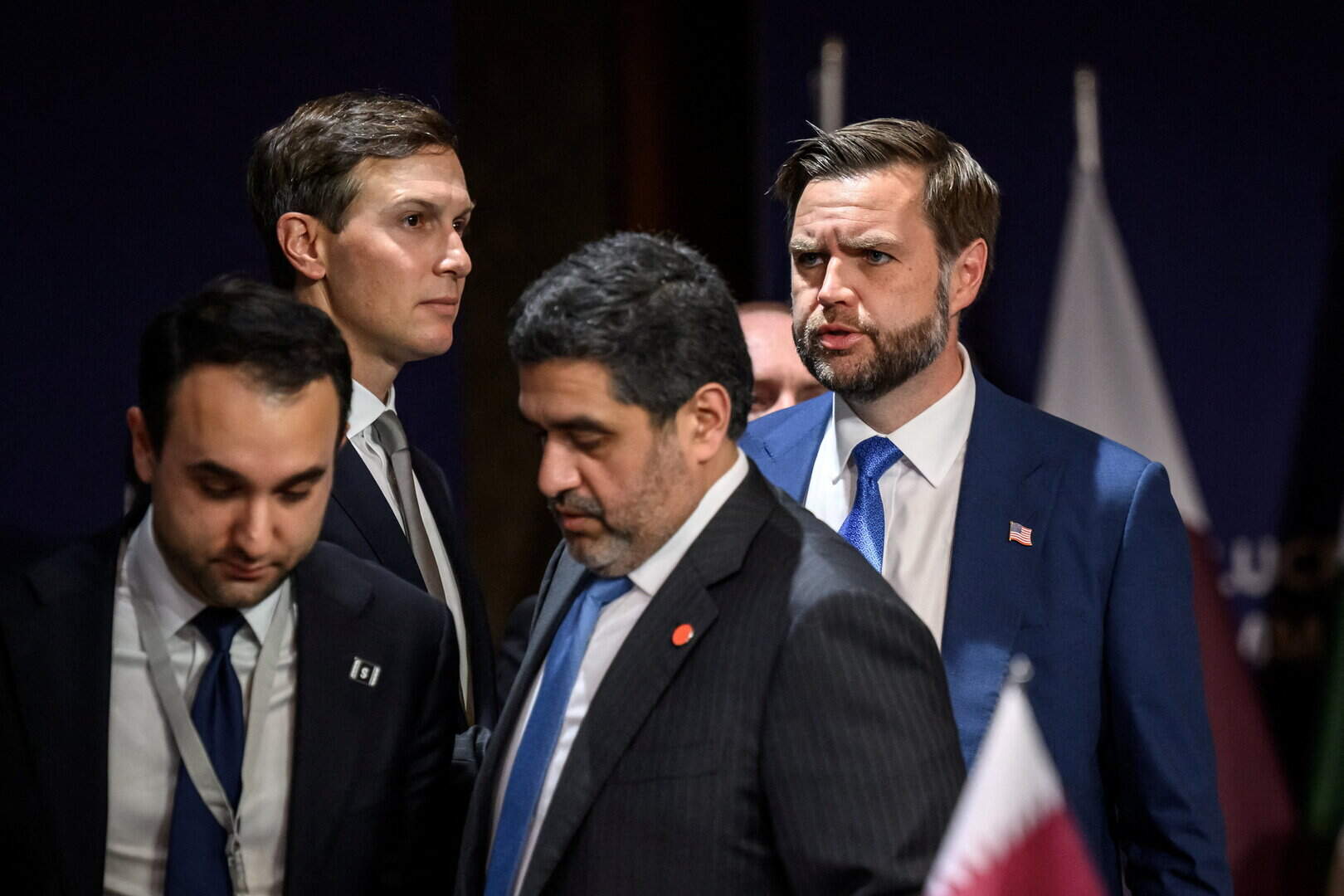

Iran Agrees to Allow International Nuclear Inspections
One of the most closely watched aspects of the talks involved Iran’s nuclear activities.
According to Vance, Iran agreed to permit inspectors from the International Atomic Energy Agency (IAEA) to access and evaluate nuclear-related sites.
Why Nuclear Inspections Matter
International inspections are considered a key component of nuclear agreements because they allow independent experts to verify compliance with agreed restrictions.
The inspections can help:
• Monitor nuclear activities
• Verify enrichment levels
• Increase transparency
• Build international confidence
• Reduce concerns over potential weapons development
The Vance Iran nuclear inspectors agreement could therefore play an important role in future diplomatic efforts.
Although details remain limited, the move was welcomed as a confidence-building measure between both sides.
Reports Suggest Framework for Nuclear Material Management
Reports emerging from the negotiations indicated that both countries discussed how Iran’s enriched nuclear material would be handled.
According to information linked to the developing framework, enriched material could remain inside Iran while being monitored under international supervision.
However, Vance did not publicly confirm specific provisions regarding the treatment of enriched uranium.
Technical Talks Expected to Continue
Experts note that nuclear agreements typically require extensive technical negotiations.
Key issues that may still require clarification include:
- Inspection procedures
- Verification mechanisms
- Monitoring schedules
- Compliance requirements
- Dispute resolution processes
Future meetings are expected to address these complex details.
Challenges Emerged During Negotiations
Despite the reported progress, Vance acknowledged that negotiations were not without difficulties.
At one stage, Iranian representatives reportedly considered leaving the talks following public comments and social media exchanges involving US President Donald Trump.
According to Vance, diplomatic teams worked through those disagreements and continued discussions.
Political Tensions Remain
Relations between Washington and Tehran have often been affected by political disagreements, regional conflicts and sanctions.
While the latest discussions produced signs of progress, officials stressed that important differences still exist.
The Vance Iran nuclear inspectors announcement should therefore be viewed as part of a larger negotiation process rather than a final resolution.
Proposal Involving Frozen Iranian Assets
Vance also revealed details about an economic proposal discussed during negotiations.
According to the vice president, a plan was introduced that would allow certain frozen Iranian assets to be used for purchasing American agricultural products.
The proposal reportedly involved products such as:
• Corn
• Soybeans
• Wheat
Officials indicated that additional approvals would be required before any such arrangement could move forward.
Potential Economic Impact
Supporters of the proposal argue that it could provide economic benefits while supporting broader diplomatic objectives.
Possible outcomes include:
• Increased agricultural exports
• Greater economic engagement
• Reduced financial restrictions
• Additional incentives for cooperation
However, no final agreement on the proposal has been announced.
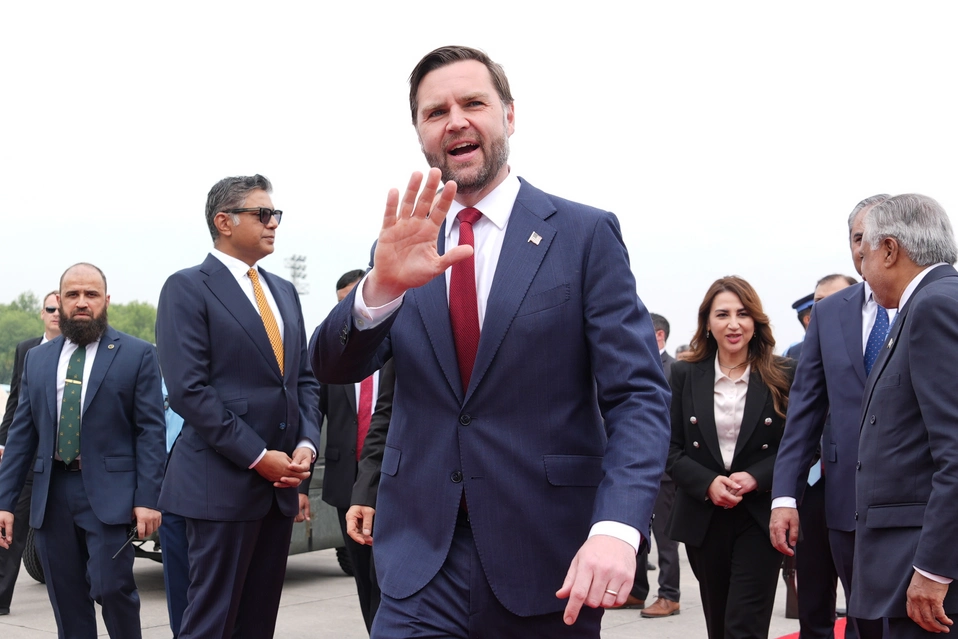

Regional Issues Also Discussed
The talks extended beyond nuclear concerns and included broader regional security matters.
Officials highlighted discussions related to maintaining open navigation through the Strait of Hormuz, one of the world’s most important shipping routes.
Negotiators also discussed ceasefire coordination involving ongoing tensions in the Middle East.
Strait of Hormuz Remains Strategically Important
The Strait of Hormuz plays a critical role in global energy markets.
A significant portion of the world’s oil shipments passes through the narrow waterway, making stability in the region a priority for many countries.
Progress on this issue was cited as another positive outcome of the negotiations.
Qatar and Pakistan Support Mediation Efforts
Representatives from Qatar and Pakistan participated in the diplomatic process as mediators.
Following the talks, both countries described the discussions as constructive and positive.
Officials announced the creation of a High Level Committee that will oversee future negotiations and provide political guidance for the mediation effort.
Roadmap Targets Final Deal Within 60 Days
According to statements from mediating countries, negotiators agreed on a roadmap designed to achieve a final agreement within 60 days.
The plan includes:
• Continued political dialogue
• Technical nuclear discussions
• Sanctions-related negotiations
• Mechanisms for resolving disputes
• Regular diplomatic meetings
These measures are intended to maintain momentum following the latest round of talks.
Talks Set to Continue
Negotiations are expected to continue throughout the week as both sides work to transform preliminary understandings into formal agreements.
The Vance Iran nuclear inspectors announcement represents one of the clearest signs of progress since discussions began, though officials caution that substantial work remains.
Observers will be closely monitoring future meetings to determine whether the recent momentum can lead to a lasting agreement.
FAQ
What did J.D. Vance say about Iran nuclear inspections?
Vance said Iran agreed to allow inspectors from the International Atomic Energy Agency to access its nuclear facilities as part of ongoing negotiations.
Why is the Vance Iran nuclear inspectors agreement important?
The agreement could increase transparency around Iran’s nuclear activities and help build trust during negotiations.
Where were the US Iran talks held?
The talks took place at the Bürgenstock Resort near Lucerne, Switzerland.
What issues were discussed besides nuclear inspections?
Negotiators discussed oil exports, sanctions, frozen assets, regional security, the Strait of Hormuz and ceasefire arrangements.
Conclusion
The Vance Iran nuclear inspectors announcement marks a potentially important step in efforts to reduce tensions between the United States and Iran. While a final agreement has not yet been reached, the reported acceptance of international nuclear inspections and the establishment of a roadmap for future talks suggest that both sides are continuing to pursue diplomatic solutions. The coming weeks will likely determine whether this foundation can be transformed into a comprehensive and lasting agreement.
PLEASE CLICK HERE FOR MORE NEWS


