


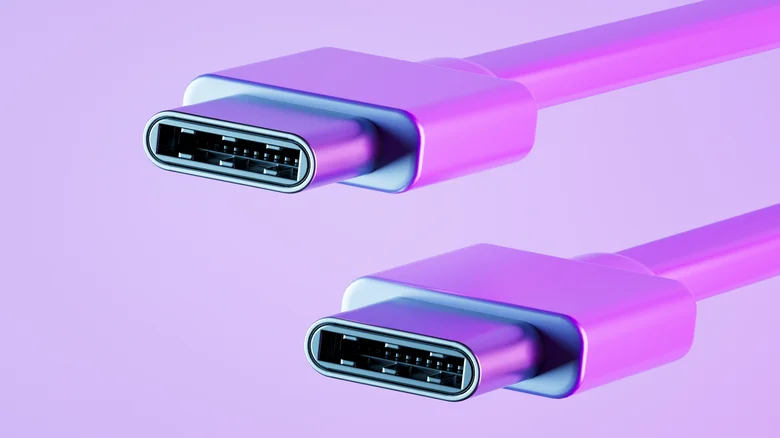
The USB-C cable lifespan and durability question has become increasingly common as USB-C cables now power many of the devices people use every day. From smartphones and laptops to accessories and charging equipment, these cables have become essential parts of modern technology.
Although USB-C cables are designed to handle frequent use, they are not permanent. Bending, twisting, pulling, and everyday wear can eventually affect their performance.
Many owners report that USB-C cables may begin showing signs of failure after around a year of regular use, although the actual lifespan depends on cable quality and how it is handled.

How Long Do USB-C Cables Usually Last?
There is no universal expiration date for USB-C cables.
Some cables may last only a year, while higher-quality options can continue working for several years.
The difference often comes down to materials, construction quality, and user habits.
Average USB-C Cable Lifespan
Based on user experiences, many USB-C cables commonly last:
- Around one year with heavy daily use
- One to two years with normal use
- Several years with premium materials and careful handling
The USB-C cable lifespan and durability of each cable depends on factors such as charging frequency, storage methods, and physical stress.
Why USB-C Cables Wear Out Over Time
USB-C cables deal with constant movement and pressure.
Everyday actions like plugging in a device, pulling the cable, or bending it around furniture can slowly damage internal wires.
The most common problems include:
- Loose connections
- Slow charging
- Random disconnections
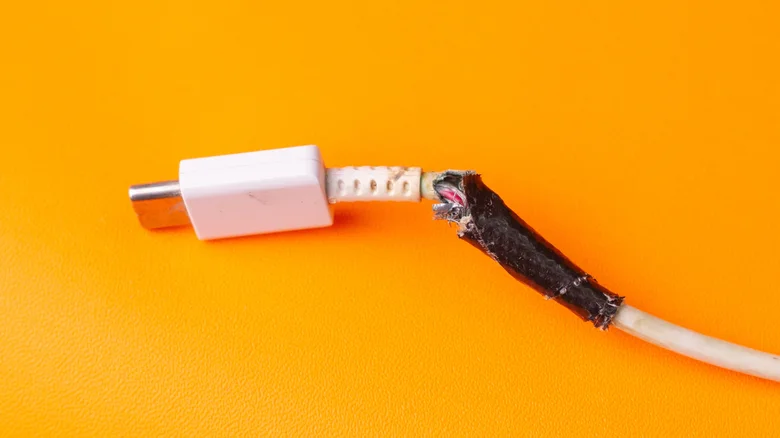
- Frayed outer covering
- Damaged connectors
Daily Stress Affects Cable Performance
Many users unknowingly shorten their cable’s life by putting unnecessary pressure on the connector area.
The section where the cable meets the plug is usually one of the weakest points.
Repeated bending in this area can damage the internal wiring.

Cable Quality Makes a Major Difference
Not all USB-C cables are built the same way.
Cheap cables may use lower-quality materials that wear out faster.
Premium cables often use stronger designs, including thicker insulation and braided outer layers.
Braided Cables Often Last Longer
Many users prefer braided USB-C cables because they offer better protection against daily wear.
Braided designs can help reduce:
- Surface damage
- Cable twisting
- External cracking
However, even strong cables can eventually fail if they are constantly abused.
What Owners Say About USB-C Durability
Many technology users share different experiences with USB-C cables.
Some report replacing cables after about a year because of charging problems or physical damage.
Others say they have used the same cables for multiple years without issues.
The difference usually depends on:
- Cable brand and quality
- Frequency of use
- Charging environment
- Storage habits
Heavy Users May Replace Cables Faster
People who charge devices several times daily often put more stress on their cables.
A cable used at home occasionally may last much longer than one carried around constantly.
Signs Your USB-C Cable Needs Replacement
A failing cable usually shows warning signs before completely stopping.
Users should watch for:
- Charging that starts and stops
- Devices disconnecting unexpectedly
- Slow charging speeds
- Visible cracks or exposed wires
- Loose USB-C connectors
Performance Changes Matter
A cable does not need to be physically broken to become unreliable.
Internal damage can affect charging speed and connection stability even when the outside looks normal.
Simple Ways to Extend USB-C Cable Life
The USB-C cable lifespan and durability can improve significantly with better handling habits.
Small changes in how you use and store cables can prevent unnecessary damage.
Unplug the Right Way
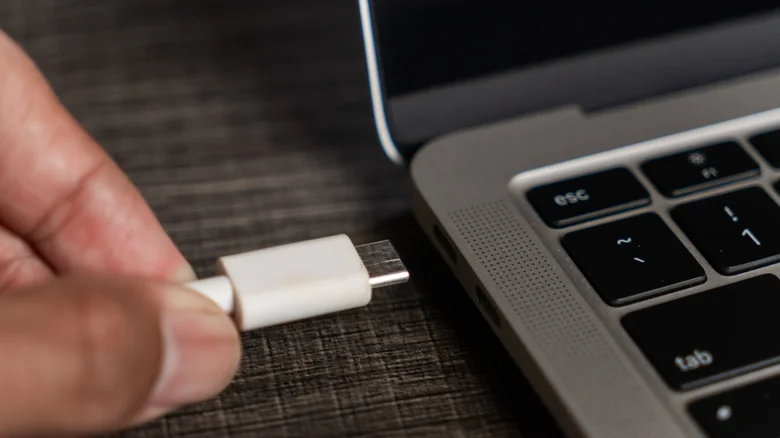
Always hold the connector when removing a USB-C cable.
Avoid pulling the cable itself because this places stress on the internal wires.
Pulling from the cable can weaken the connection point over time.
Avoid Sharp Bends
USB-C cables should not be tightly folded or twisted.
Instead, store them using a loose circular coil.
This reduces pressure on the internal wiring.
Keep Connectors Clean
Dust and debris can affect the connection between a cable and device.
Regular cleaning helps maintain better performance.
A soft cotton swab can be used carefully to remove dirt from connectors.
Proper Storage Helps
When not in use:
- Avoid placing cables under heavy objects
- Keep them away from extreme heat
- Store them without tight knots
These simple steps can improve the long-term reliability of your cable.

Choosing a Better USB-C Cable
When buying a replacement cable, quality matters.
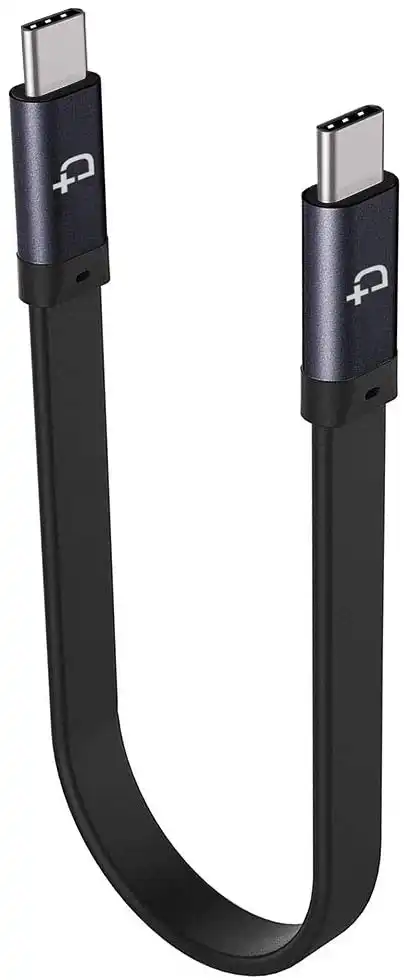
A reliable USB-C cable should support your device’s charging needs and be made from durable materials.
Features to Look For
Consider cables with:
- Strong connector housing
- Reinforced stress points
- Quality insulation
- Proper charging support
A better cable may cost more initially but can reduce frequent replacements.
The Future of USB-C Cable Durability
As USB-C continues becoming the standard connection type across devices, cable manufacturers are focusing on improving strength and reliability.
Future designs may include stronger materials and better protection against everyday damage.
However, users will still play an important role in maintaining cable performance.
FAQ
How long does a USB-C cable usually last?
A USB-C cable often lasts around one to two years with regular use, though premium cables may last longer.
What affects USB-C cable lifespan and durability?
USB-C cable lifespan and durability depend on cable quality, bending, storage habits, connector care, and frequency of use.
Why does my USB-C cable stop charging?
A USB-C cable may stop charging because of damaged wiring, worn connectors, dirt buildup, or internal failures.
How can I make my USB-C cable last longer?
You can extend cable life by avoiding sharp bends, unplugging correctly, storing it properly, and choosing higher-quality cables.
Conclusion
The USB-C cable lifespan and durability of a cable depends on both the product quality and how it is treated. While many cables may begin failing after about a year of heavy use, proper handling can help them last much longer. Simple habits like careful unplugging, safe storage, and choosing durable cables can improve everyday reliability.
PLEASE CLICK HERE FOR MORE NEWS


