 0
0
 0
0
US Withdraws Fighter Jets from a major NATO military exercise in Norway, signaling a shift in strategic priorities as Washington continues to increase its military presence in the Middle East.
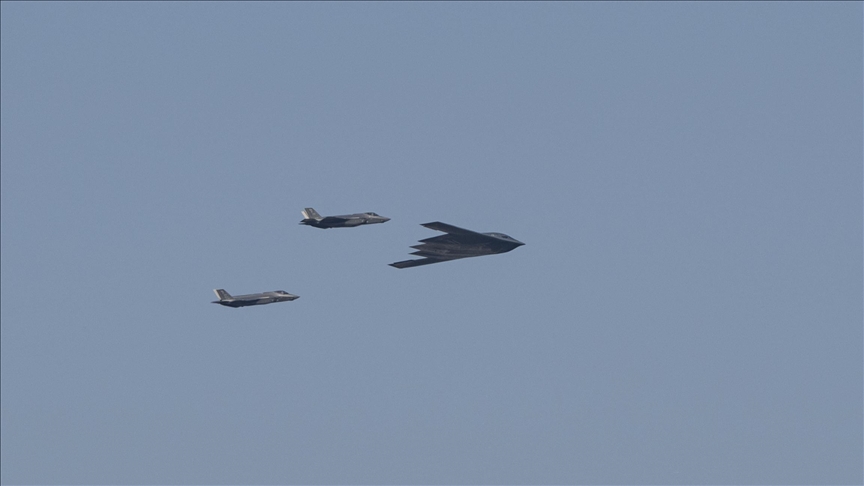
Norwegian Armed Forces confirmed that significant US air assets, including F-35 fighter jets, will no longer participate in the biennial Cold Response exercise. The decision comes as tensions rise between the United States and Iran.
Norway Confirms US Redeployment
The Norwegian Armed Forces told local media that they were informed US forces scheduled to participate in the large scale NATO drill would be redeployed elsewhere.
Lt. Col. Espen Solemdal stated that US forces would not be joining the exercise as initially planned. He noted that the redeployment has affected the structure of the air defense battalion’s training program, as eight designated exercise targets linked to US aircraft are no longer available.
Despite the adjustment, Norwegian officials confirmed that the Cold Response exercise will continue with participating NATO allies.

What Is the Cold Response Exercise
Cold Response is a biennial NATO exercise hosted by Norway designed to test allied forces in challenging winter and Arctic conditions. The drill focuses on joint operations, air defense coordination, and interoperability among member states.
The participation of US airpower, particularly advanced fighter aircraft such as the F-35, typically plays a significant role in enhancing the realism and scale of the exercise.
With the announcement that the US withdraws fighter jets from the event, the overall air component of the drill is expected to be reduced, though officials maintain that core objectives will still be met.
Shift Toward the Middle East
The decision comes amid an ongoing US military buildup in the Middle East. Washington has increased its naval and air presence in the region as part of efforts to apply pressure on Iran during heightened diplomatic tensions.
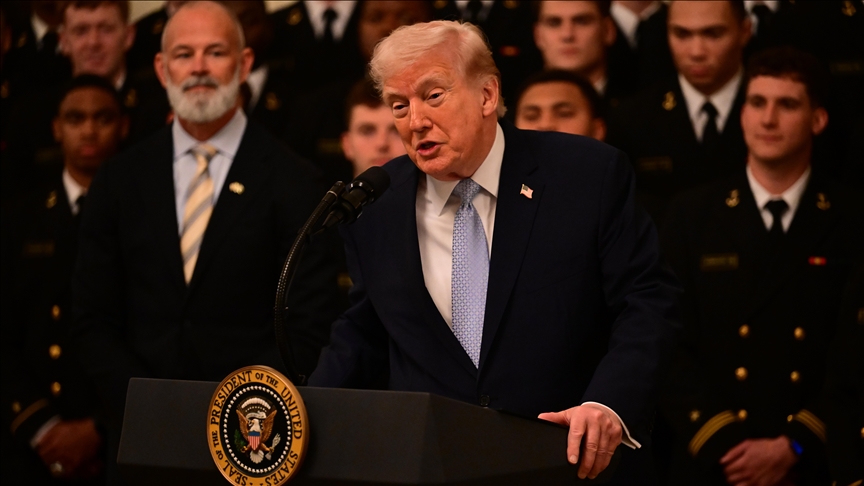
US President Donald Trump said Friday that the USS Gerald R. Ford, described as the world’s largest aircraft carrier, could soon be deployed to the region if negotiations between Washington and Tehran do not produce results.
“In case we don’t make a deal, we’ll need it,” Trump stated, adding that the carrier would leave very soon if required.
The USS Abraham Lincoln and several destroyers are already stationed in the Persian Gulf, having been dispatched earlier amid rising tensions.
Strategic Implications for NATO
When the US withdraws fighter jets from a major NATO exercise, it often reflects broader strategic recalibrations rather than a reduction in alliance commitments. Analysts note that NATO coordination remains intact, but operational priorities can shift depending on global developments.
The redeployment of aircraft from Norway to other regions underscores Washington’s focus on the Middle East at this time. Military planners frequently adjust deployments based on emerging threats and diplomatic considerations.
Norwegian defense officials emphasized that while US air participation is valuable, the alliance remains capable of conducting comprehensive joint exercises with available forces.
Impact on Norwegian Air Defense Training
Lt. Col. Solemdal acknowledged that the absence of US aircraft affects Norway’s air defense battalion training environment. Losing eight simulated targets reduces the complexity of certain training scenarios.
However, Norwegian authorities stated that contingency plans are in place to ensure that the exercise continues effectively. Other NATO air and ground units will proceed with scheduled drills, maintaining operational readiness in Arctic conditions.
The Cold Response exercise is particularly important for Norway due to its geographic proximity to Russia and its role as a key NATO member in the High North.
Balancing Global Commitments
The announcement that the US withdraws fighter jets highlights the balancing act between European defense commitments and Middle East operations. The US maintains significant global military obligations, requiring flexibility in force allocation.
While NATO allies continue to conduct joint exercises, US military strategy currently appears focused on deterrence efforts in the Persian Gulf.
Defense analysts note that such redeployments are not uncommon and reflect the fluid nature of international security planning.
Ongoing Developments
As tensions between Washington and Tehran evolve, further adjustments in US military positioning may follow. The deployment of major naval assets such as aircraft carriers signals Washington’s readiness to escalate deterrence measures if diplomatic efforts stall.
At the same time, NATO exercises like Cold Response demonstrate the alliance’s continued focus on preparedness and cooperation, even amid shifting global priorities.
For now, the confirmation that the US withdraws fighter jets from Norway marks a notable adjustment in NATO planning, while highlighting broader strategic developments beyond Europe.
For more news, please visit our homepage