

 0
0
 0
0
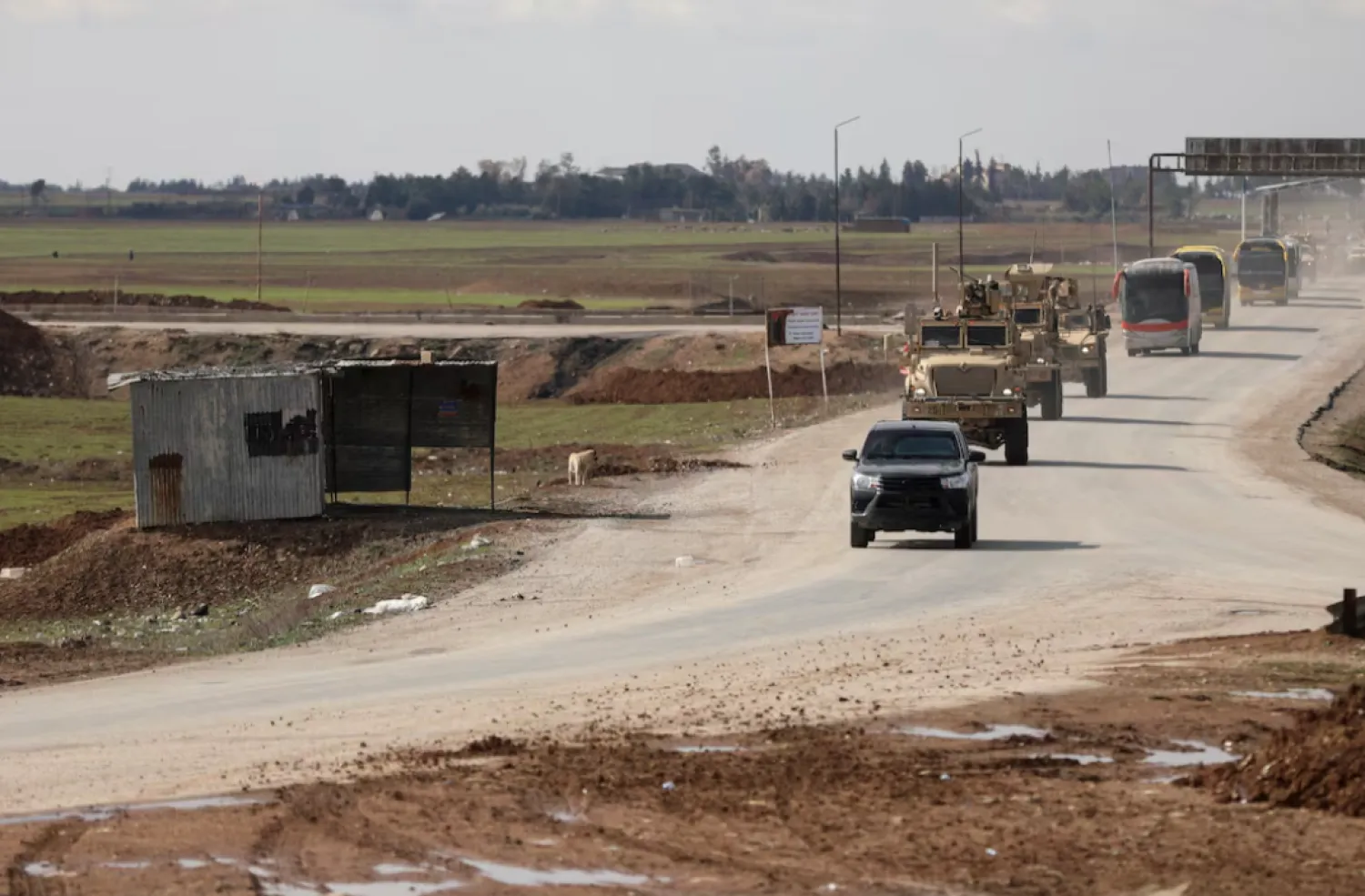
The headline development that US transfers ISIS detainees from Syria to Iraq marks one of the largest coordinated counterterrorism detention operations in recent years. The 23 day mission relocated thousands of suspected fighters to Iraqi custody amid rising security concerns in northeastern Syria.
The move comes after instability at detention centers, including reported escape attempts, raised fears of a possible resurgence of the Islamic State.
Over 5,700 Detainees Moved in 23 Days
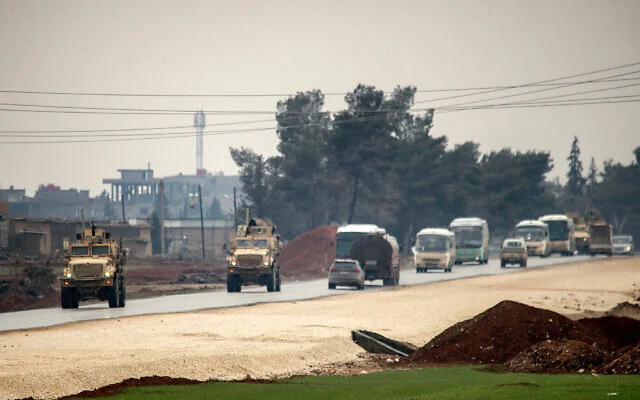
According to the United States Central Command, the operation moved more than 5,700 adult male ISIS suspects from Syria to Iraq. The final transfer flight concluded the mission on February 12.
Military officials described the operation as logistically complex, involving air and ground coordination with Iraqi authorities. The statement emphasized that the decision to relocate detainees was necessary to reduce detention risks inside Syria.
The phrase US transfers ISIS detainees has since dominated regional security discussions as governments assess the broader implications.
For official military updates, visit the US Central Command website:
👉 https://www.centcom.mil
Why the US Transfers ISIS Detainees Now
Security analysts say the decision to move prisoners reflects growing concerns about prison vulnerabilities in post war Syria. Detention facilities in northeastern Syria have faced riots and coordinated attacks in the past.
The strategy behind US transfers ISIS detainees aims to:
-
Reduce overcrowding in Syrian detention centers
-
Strengthen centralized legal processing in Iraq
-
Prevent coordinated prison break attempts
-
Limit ISIS reorganization risks
Even though ISIS lost territorial control in 2019, intelligence agencies warn that sleeper cells remain active.
For more analysis on global counterterrorism efforts, read our internal coverage here:
👉 https://blaqloaded.com/
Legal Concerns Surrounding Iraq Terrorism Trials
While Iraqi authorities have agreed to prosecute the suspects, rights groups have expressed concerns about due process.
Organizations such as Human Rights Watch and Amnesty International have previously reported that terrorism trials in Iraq sometimes rely heavily on confessions and short hearings.
You can explore their reports at:
👉 https://www.hrw.org
👉 https://www.amnesty.org
Between 2018 and 2019, Iraq processed over 20,000 terrorism related cases. Estimates suggest thousands remain on death row, including foreign nationals.
Iraqi officials maintain that the judiciary follows constitutional procedures and guarantees defendants the right to legal representation and appeal.
The discussion around US transfers ISIS detainees now centers on whether Iraq’s courts can handle the volume of new cases while ensuring transparency.
Iraq Begins Processing Cases
Iraq’s Supreme Judicial Council has started investigating more than 1,300 of the transferred detainees. Officials say the country is prepared to try both Iraqi and foreign suspects under national and international law.
The influx of detainees will test judicial capacity and prison infrastructure. Legal observers emphasize the importance of monitoring courtroom procedures to ensure compliance with international standards.
To understand Iraq’s judicial structure, visit:
👉 https://www.sjc.iq
International Pressure for Repatriation
US Secretary of State Marco Rubio previously indicated that detainees would remain in Iraq temporarily. He urged foreign governments to repatriate their nationals who joined ISIS.
However, many countries remain reluctant to accept returning fighters due to domestic political and security concerns.
The issue of repatriation remains one of the most sensitive aspects of the broader US transfers ISIS detainees operation.
For more on international diplomacy and security cooperation, see our internal report:
👉 https://blaqloaded.com/international-security-cooperation/
Regional Security Implications
The decision that US transfers ISIS detainees reflects a wider strategy to prevent ISIS from rebuilding networks in Syria. Securing detainees in Iraq is seen as part of long term stabilization efforts in the region.
Counterterrorism experts note that detention management is only one component of preventing resurgence. Intelligence sharing, border security, and regional cooperation remain critical factors.
The international community continues to debate how to balance security priorities with human rights obligations. Transparency in trials, family notification, and access to legal counsel will likely shape global perceptions of the process.
What Happens Next
Now that US transfers ISIS detainees has been completed, attention shifts to courtroom proceedings and diplomatic negotiations. Iraq must process thousands of cases while foreign governments decide whether to repatriate their citizens.
The outcome will influence regional stability, international legal standards, and future counterterrorism coordination.
For more global security news and updates, visit our homepage:
👉 https://blaqloaded.com





[…] factions within the Islamic Resistance in Iraq are formally integrated into the Iraqi security structure through the Popular Mobilization Forces […]