

 0
0
 0
0
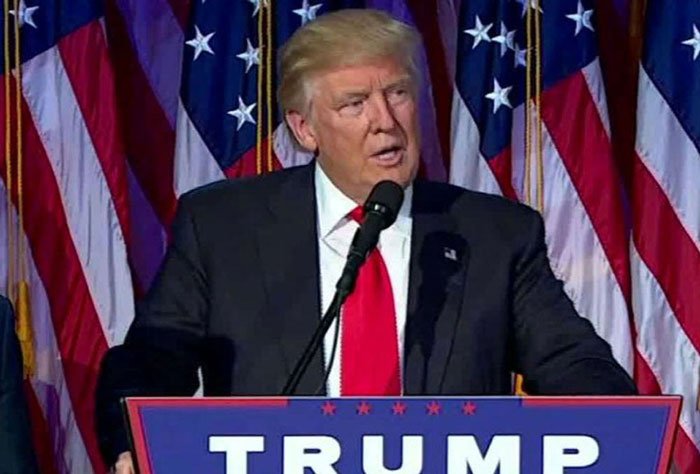
US tariffs uncertainty has returned to the centre of global economic debate following a major ruling by the United States Supreme Court and a swift response from President Donald Trump. While the court determined that the existing tariff system was unlawful, the decision has not brought clarity to international markets. Instead it has opened the door to fresh policy moves that continue to unsettle global trade relationships.
Within a day of the ruling the White House announced a new universal tariff rate of 15 percent on imports. This followed an earlier plan to apply a 10 percent rate immediately after the judgment. The administration relied on Section 122 of the Trade Act of 1974, a rarely used legal provision that allows the president to impose tariffs of up to 15 percent for a limited period of 150 days. After that window Congress is required to intervene.

Supreme Court ruling and limits of executive power
The Supreme Court decision marked an important moment in defining the boundaries of presidential authority over trade. By rejecting the earlier use of the International Emergency Economic Powers Act, the court signalled that even in matters of economic security there are constitutional checks on executive action.
Economists note that the ruling does not automatically unwind the tariffs already collected. Estimates suggest that roughly 130 billion dollars were raised under the invalidated authority. The judgment offered no clear guidance on whether or how refunds might be issued, leaving the matter open to prolonged legal battles. The administration has already indicated it will contest any repayment efforts, increasing the likelihood of years of litigation.
European Union response raises trade tensions
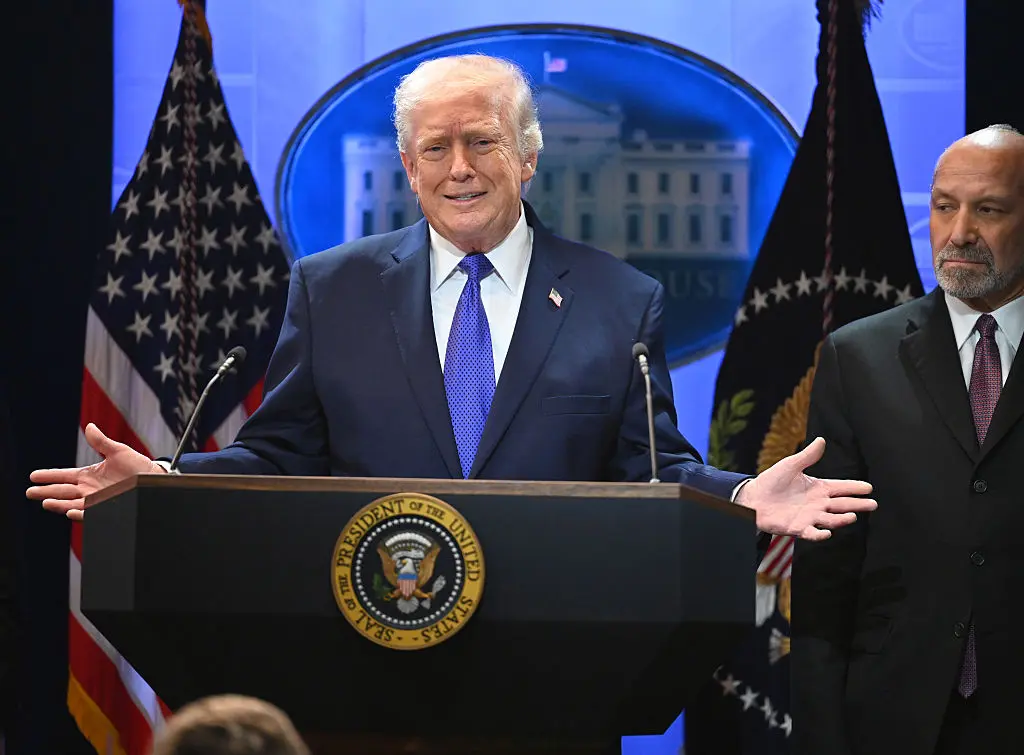
The European Union reacted strongly to the announcement of higher tariffs. In a formal statement the European Union expressed concern that the move breaches commitments made in the joint trade understanding reached in August 2025.
EU officials stressed that predictable and legally certain trade conditions are essential for businesses on both sides of the Atlantic. They warned that tariffs function as taxes that raise costs for consumers and companies alike. When applied without clear rules, such measures can disrupt supply chains and undermine confidence in global markets.
The EU also reminded Washington of its status as the largest trading partner of the United States, arguing that agreed ceilings on tariffs should be respected. Any deviation from those limits risks eroding trust and could prompt retaliatory measures if negotiations stall.
Banking sector sees tariffs as a lasting feature
Financial institutions are adjusting their outlook as US tariffs uncertainty persists. Analysts at ING suggested that while a single universal rate might appear simpler, it could still result in higher effective costs for importers.
According to the bank, reduced complexity in tariff structures may limit opportunities for rerouting trade through third countries and could decrease fraud. At the same time numerous exemptions remain in place, including for high technology goods and critical minerals. As a result ING expects actual tariff revenues to stay slightly above 10 percent for now.
The bank also highlighted the unresolved issue of potential refunds tied to the court ruling. Without a clear mechanism for repayment, uncertainty will continue to weigh on business planning and investment decisions.
Market reaction and investor sentiment
Market participants initially welcomed the Supreme Court decision as a sign that institutional checks remain strong in the United States. Equity markets rallied briefly on hopes that effective tariff levels might fall. However that optimism faded once the administration confirmed the new 15 percent tariff plan.
Matt Britzman of Hargreaves Lansdown noted that recent trade agreements are now under renewed pressure. He observed that the United Kingdom had secured a 10 percent arrangement with Washington, only for the new blanket tariff to reintroduce uncertainty. The shift to a broader legal authority makes the policy less targeted and more disruptive.
Britzman added that while some negotiations may pause until the situation becomes clearer, the court ruling itself could still be viewed positively over the long term. By clearly defining limits on executive power, the decision reduces the risk of unchecked tariff escalation. For investors who had been pricing in worst case scenarios, this represents a modest but meaningful reassurance.
Outlook for global trade
US tariffs uncertainty is likely to remain a defining feature of the global economic landscape in the months ahead. With Congress expected to play a greater role once the temporary tariff window closes, political debates in Washington will be closely watched by international partners.
At the same time reactions from Europe and other major economies suggest that the risk of escalation has increased. As trade policies evolve, businesses and investors will need to navigate a landscape shaped by legal challenges, political negotiation, and shifting alliances. For now clarity remains elusive, reinforcing the view that tariffs are set to stay at the forefront of global trade discussions.
For More news, please visit our homepage


[…] About Global Christian […]