 0
0
 0
0
US journalist kidnapped Baghdad 2026 has become a major international concern after a freelance reporter was abducted in Iraq’s capital, triggering a high-level security response involving both Iraqi and United States authorities.
The incident highlights ongoing security risks in the region, even as overall conditions in Iraq have improved compared to previous years.
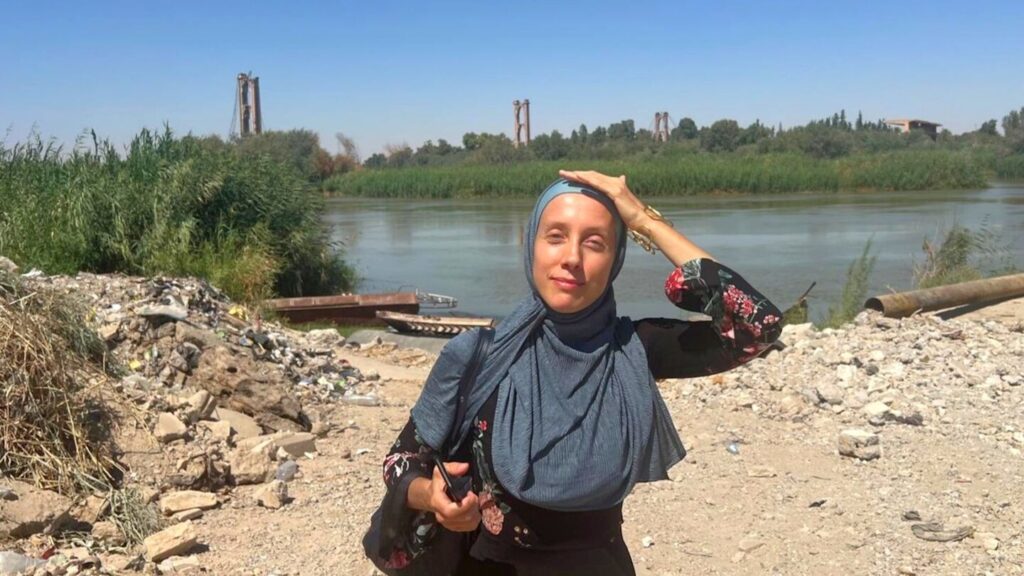
Journalist Abducted in Central Baghdad
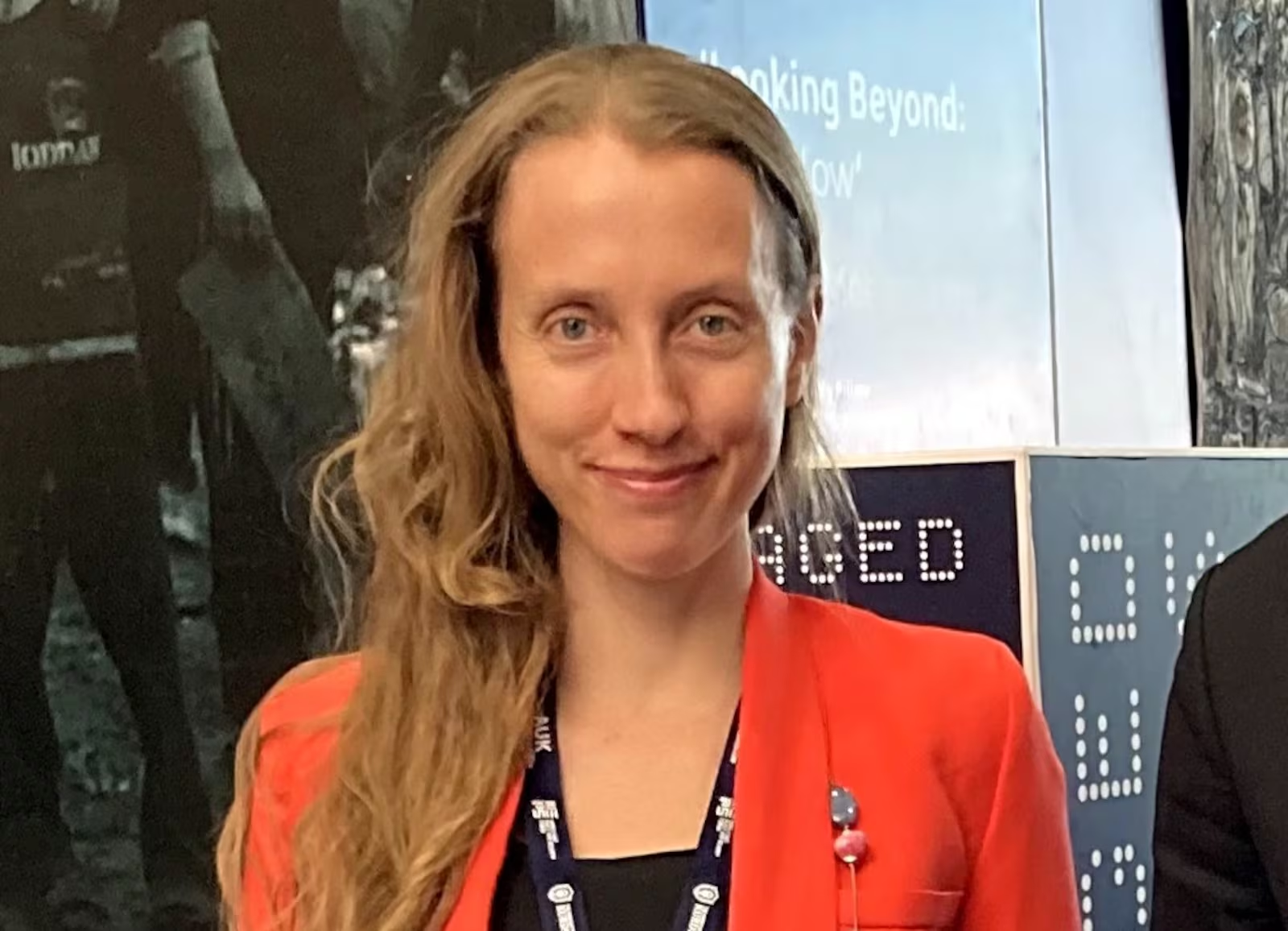
The US journalist kidnapped Baghdad 2026 case centers on Shelly Kittleson, a freelance reporter known for covering conflict zones across the Middle East.
She was reportedly abducted on Tuesday evening near a hotel in central Baghdad, an area that has seen increased security presence in recent years.
Where the Kidnapping Happened
- Location: Central Baghdad
- Time: Tuesday evening
- Circumstances: Abducted near a hotel
Initial reports indicate that unidentified individuals carried out the abduction, although investigations quickly pointed to possible militia involvement.
Immediate Response by Authorities
Iraqi security forces launched a rapid response operation following the incident. According to official statements:
- Security teams pursued the kidnappers
- One vehicle overturned during the chase
- At least one suspect was arrested
Authorities confirmed that efforts are ongoing to locate the remaining perpetrators and secure the journalist’s safe release.
Suspected Link to Iran-Backed Militia
A key development in the US journalist kidnapped Baghdad 2026 case is the suspected involvement of an Iran-aligned militia group.
Militia Connection Under Investigation
Officials indicated that one detained suspect has links to Kataib Hezbollah, a group previously associated with regional security incidents.
This connection has raised concerns about:
- Targeted attacks on journalists
- Organized kidnapping operations
- Broader geopolitical implications
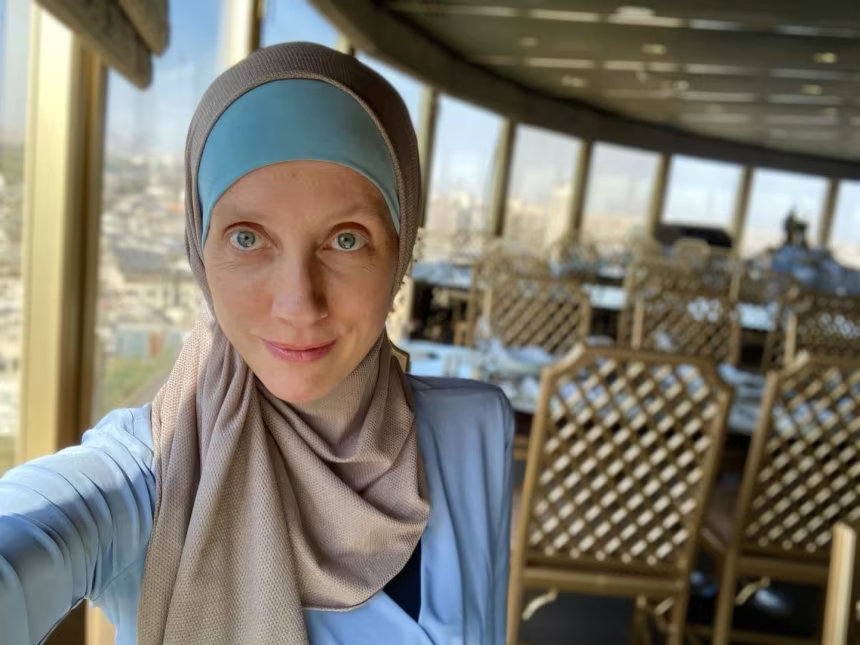
Previous Threat Warnings
Reports suggest that the journalist had received warnings prior to the abduction.
- US officials reportedly alerted her to potential threats
- The warnings included possible targeting by militia groups
- Concerns were raised about risks to female journalists
Despite these alerts, the journalist is believed to have continued her work in the region.
US Government and FBI Involvement
The US journalist kidnapped Baghdad 2026 incident has prompted coordinated efforts between multiple US agencies.
Agencies Responding to the Crisis
Authorities involved include:
- Federal Bureau of Investigation
- U.S. Department of State
- National Security Council
- Iraqi Counter-Terrorism Service
These agencies are working together to gather intelligence and support rescue operations.
Official US Statement
A US official confirmed awareness of the situation and emphasized ongoing coordination with Iraqi authorities.
Efforts are focused on:
- Ensuring the journalist’s safe release
- Tracking down all individuals involved
- Managing diplomatic and security responses
Background of the Journalist
The US journalist kidnapped Baghdad 2026 case involves an experienced conflict reporter.
Reporting Experience
Shelly Kittleson has covered major conflict zones, including:
- Afghanistan
- Iraq
- Syria
She has contributed to multiple international publications and built a reputation for reporting from high-risk environments.
Recent Activity
At the time of the abduction:
- She was based in Rome
- She was actively reporting in Iraq
- She had ongoing assignments related to regional conflicts
Her presence in Baghdad reflects the continued role of freelance journalists in covering complex global events.
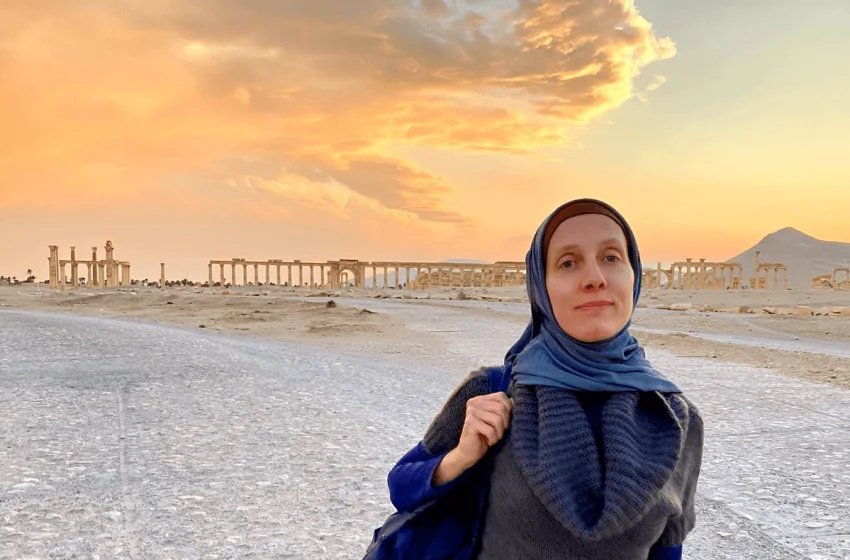
Baghdad Security Situation in Context
The US journalist kidnapped Baghdad 2026 incident comes despite improvements in Iraq’s security environment.
Decline in Kidnappings
Over the past decade:
- Kidnappings in Baghdad have significantly decreased
- Security forces have improved surveillance and response capabilities
- Urban areas have seen relative stabilization
Persistent Risks
However, risks remain, particularly from:
- Armed militias
- Organized criminal groups
- Political and regional tensions
This incident underscores that even improved conditions do not eliminate threats entirely.
Investigation and Ongoing Search Efforts
Authorities continue to pursue leads in the US journalist kidnapped Baghdad 2026 case.
Current Status of the Investigation
- One suspect has been detained
- Additional suspects are being tracked
- Intelligence operations are ongoing
Officials have stated that the investigation is being conducted at the highest level.
Key Priorities
The main goals of the operation include:
- Locating the journalist
- Identifying all perpetrators
- Preventing further incidents
Security forces are using intelligence-based methods to track movements and gather actionable information.
International Reactions and Media Concerns
The kidnapping has drawn attention from media organizations and international observers.
Media Industry Response
News outlets have expressed concern over:
- The safety of journalists in conflict zones
- Risks faced by freelance reporters
- The need for stronger protections
Broader Implications
The US journalist kidnapped Baghdad 2026 case raises questions about:
- Press freedom in high-risk regions
- The role of governments in protecting journalists abroad
- The impact of geopolitical tensions on media safety
FAQ
Who is the US journalist kidnapped in Baghdad in 2026?
The journalist is Shelly Kittleson, a freelance reporter known for covering conflicts in the Middle East.
What group is suspected in the Baghdad kidnapping?
One suspect has links to Kataib Hezbollah, an Iran-aligned militia group, though investigations are ongoing.
What actions are authorities taking to rescue the journalist?
Iraqi and US authorities, including the FBI and State Department, are coordinating efforts to locate and safely release her.
Is Baghdad still dangerous for journalists in 2026?
While security has improved, risks remain due to militias, regional tensions, and isolated incidents like kidnappings.
Conclusion
The US journalist kidnapped Baghdad 2026 incident highlights ongoing security challenges in conflict-affected regions despite broader improvements. As investigations continue and international agencies collaborate, the focus remains on ensuring the journalist’s safe return and addressing the risks faced by reporters working in high-risk environments.
PLEASE CLICK HERE FOR MORE NEWS