

 0
0
 0
0
US Israeli Strikes on Iran Trigger Retaliation after Iran launched multiple ballistic missiles toward Israel in response to a large scale joint military operation carried out by the United States and Israel. The rapid exchange marks a significant escalation in Middle East tensions and has intensified fears of a wider regional conflict.
The missile launches were detected within hours of the initial strikes, prompting Israeli and American air defense systems to move to full operational readiness. Military officials on both sides confirmed that the situation remains fluid and highly volatile.
US and Israel launch major military operation against Iran
Early in the morning, the United States and Israel initiated a coordinated military campaign targeting Iranian infrastructure. US President Donald Trump described the action as a large scale military operation and reiterated Washington’s position that Iran must not be allowed to acquire nuclear weapons.
According to statements from the White House, the strikes focused on Iran’s nuclear facilities and key military capabilities. US officials alleged that Iran had been attempting to rebuild parts of its nuclear programme following previous attacks on Iranian facilities last year. These claims have not been independently verified as US Israeli Strikes on Iran Trigger Retaliation.
President Trump warned that Iran’s missile forces and naval assets would be significantly degraded by the operation. He also urged the Iranian population to pursue political change following the military campaign, a statement that drew criticism from regional observers concerned about further destabilization.
Iran responds with ballistic missile launches
Within hours of the strikes, the Israel Defense Forces reported detecting launches of Iranian ballistic missiles aimed toward Israeli territory. Sirens were activated in several areas as air defense systems were placed on high alert.
American air defense assets stationed in Israel and across the wider region were also activated to assist in intercepting incoming threats. Officials did not immediately confirm how many missiles were launched or whether any penetrated Israeli defenses.
Iran had previously warned of a crushing response if its territory was attacked. Iranian officials have not yet issued a detailed public statement on the missile launches, but state aligned media described the action as a legitimate act of self defense.

Fateh 110 missiles and Iran’s missile capabilities
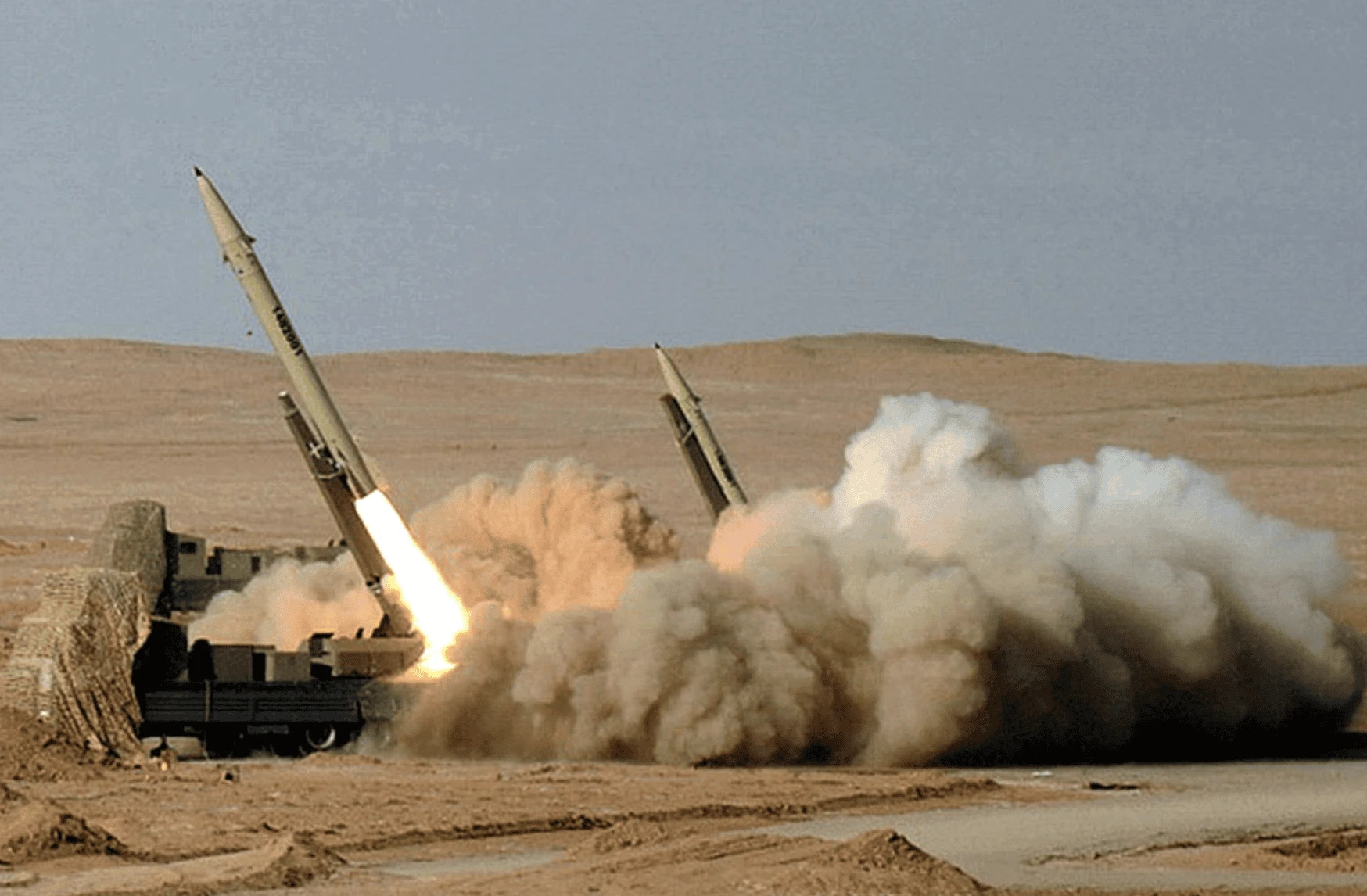
Military analysts believe the retaliation may have involved short range ballistic missiles such as the Fateh-110, a system known for its mobility and precision. However, it remains unclear whether additional weapons such as cruise missiles or drones were also used.
According to widely cited defense assessments, Iran possesses an estimated 2,000 ballistic missiles of varying ranges. During the previous Israel Iran confrontation in June 2025, approximately 550 missiles were launched, while hundreds more were reportedly destroyed in Israeli strikes targeting launchers and storage sites. These figures cannot be independently confirmed but are consistent with multiple defense analyses.
Heightened military readiness across the region
The current retaliation was widely anticipated by regional military planners. Israeli and US forces appear to have prepared defensive measures in advance, including redeploying missile defense systems and increasing intelligence surveillance.
A US official stated that the military operation against Iran could last several days, depending on battlefield developments and Iran’s response. Both sides remain on elevated military readiness, raising concerns about miscalculation or further escalation.
Growing fears of a wider regional conflict as US Israeli Strikes on Iran Trigger Retaliation
Security experts warn that the ongoing exchange significantly increases the risk of a broader Middle East war. Additional regional actors could be drawn into the conflict if hostilities expand beyond Israel and Iran.
Energy markets and global shipping routes are also being closely monitored, as any disruption in the region could have far reaching economic consequences. Diplomatic channels are expected to intensify efforts to contain the crisis, though no immediate de escalation measures have been announced.
As of now due to US Israeli Strikes on Iran Trigger Retaliation, authorities continue to assess damage, track missile activity, and monitor airspace across the region. The situation remains highly dynamic, with international leaders urging restraint amid one of the most serious escalations in recent years.





[…] Iran post war future remains uncertain as analysts examine how the country’s leadership and political structure could evolve once the ongoing conflict ends. Experts say several outcomes are possible, ranging from leadership reform inside the current system to a deeper political crisis. […]
[…] in the United Arab Emirates reported intercepting 16 ballistic missiles and more than 100 drones launched from Iran during one of the latest waves of […]