 0
0
 0
0
The US Israel strike Iran on February 28, 2026, has dramatically escalated tensions in the Middle East. Early Saturday, joint airstrikes targeted top Iranian leaders and key military infrastructure, prompting missile retaliation toward Israel and Gulf Arab allies. Civilians across Iran fled schools and workplaces, while oil markets and global security analysts closely monitored the situation. The attack is considered one of the most significant escalations in decades between Iran, the United States, and Israel.

Civilian Panic Following US Israel Strike Iran
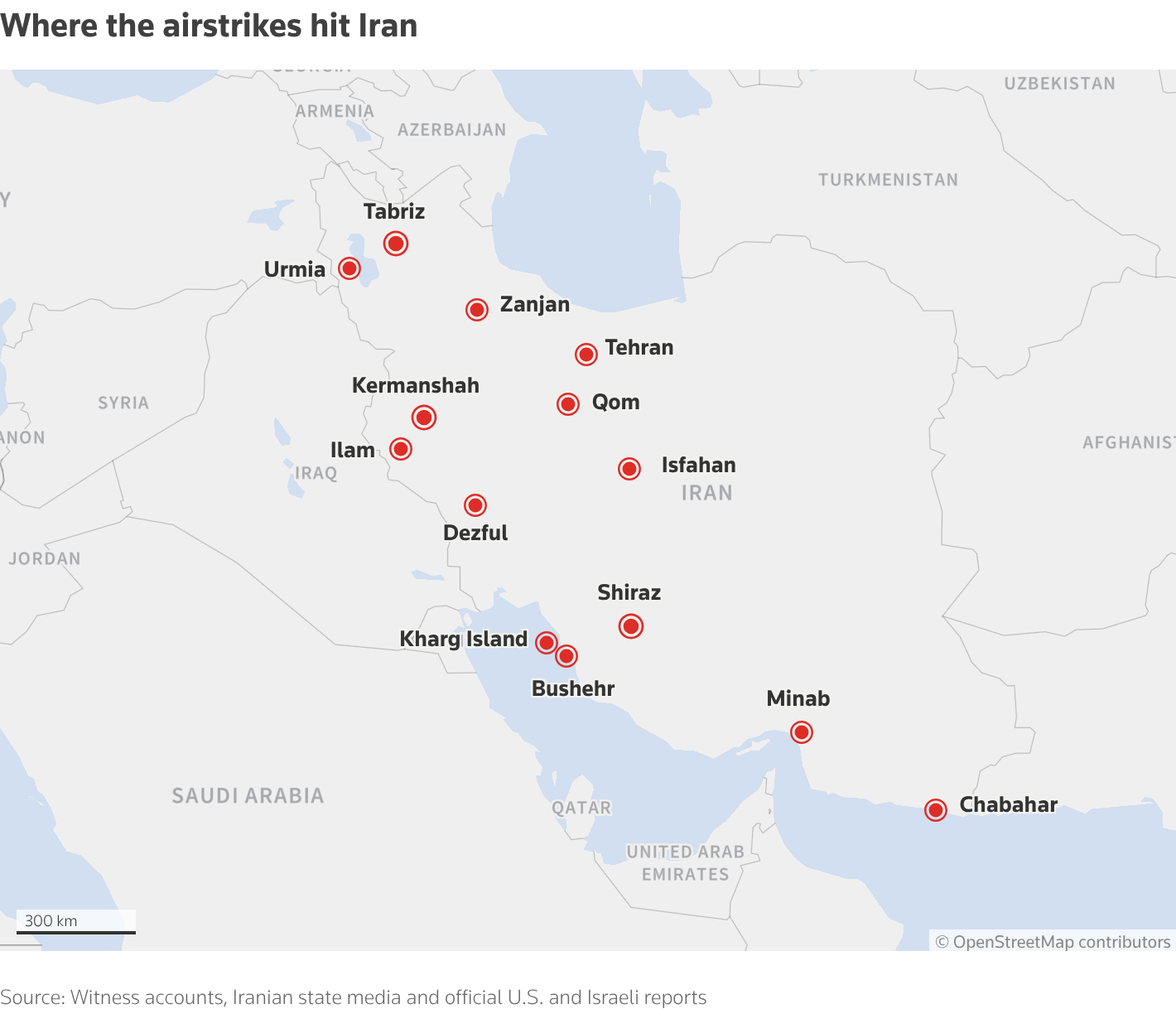
Explosions in Tehran, Tabriz, and Minab created chaos across Iranian cities. Residents rushed to collect children from schools, while families sought shelter from potential follow-up strikes.
Minou, a mother in Tabriz, described the scene: “We are terrified. My children are shaking. We have nowhere to go.” Such accounts highlight the immediate human toll of the US Israel strike Iran, as ordinary citizens are caught in the crossfire. Hospitals reported an influx of injured civilians, while emergency services struggled to respond amid ongoing explosions.

Iran Retaliates with Missiles Against Israel and Gulf Allies
Following the strikes, Iran launched missiles at Israel and multiple Gulf countries hosting US military bases. Tehran also warned ships in the Strait of Hormuz—a critical route for nearly one-fifth of global oil trade—that the waterway was closed. Analysts predict significant impacts on oil prices and shipping logistics.
Ebrahim Jabbari, senior commander of Iran’s Revolutionary Guards, stated the missiles launched were only “scrap missiles” and promised more advanced retaliation to come, signaling further escalation risks. Military experts noted that Iran may have coordinated these attacks with strategic precision to avoid direct confrontation with US forces while demonstrating regional power.
Senior Iranian Leadership Targeted in Strikes
The Pentagon’s Operation Epic Fury, the first wave of attacks, focused on Iran’s top officials. Defence Minister Amir Nasirzadeh and Revolutionary Guards commander Mohammed Pakpour were reportedly killed. Other senior political and military figures were also affected, while Supreme Leader Ayatollah Ali Khamenei was moved to a secure location.
Reports indicate Iranian President Masoud Pezeshkian may have been targeted as well, though his status remains unconfirmed. The US Israel strike Iran demonstrates precise targeting of leadership, with major implications for Iranian governance and potential shifts in regional alliances.
US and Israeli Officials Defend the Operation
US President Donald Trump described the strikes as necessary to eliminate security threats and prevent Iran from developing nuclear weapons. He urged Iranians to remain sheltered and suggested they could take control of their government once the attacks concluded.
Israeli Prime Minister Benjamin Netanyahu framed the strikes as a move to empower the Iranian people to remove “the yoke of tyranny,” emphasizing Israel’s long-standing security concerns. Analysts say the statements signal both countries’ intent to justify the military escalation to domestic and international audiences.

Oil Markets and Gulf States React
The US Israel strike Iran immediately affected oil markets, with analysts warning prices could spike $10–$20 per barrel. Iran’s strategic position along the Strait of Hormuz amplifies global economic risk, as a significant portion of crude oil shipments passes through the region.
Missile alerts were reported in Abu Dhabi, Dubai, Bahrain, Qatar, and Kuwait. Qatar confirmed intercepting all targeted missiles, while Kuwait reported a strike on a US military base. Airlines cancelled flights in the Gulf due to heightened security risks. Traders globally monitored energy supplies closely, fearing prolonged disruption if the crisis continues.

International Response and Diplomatic Pressure
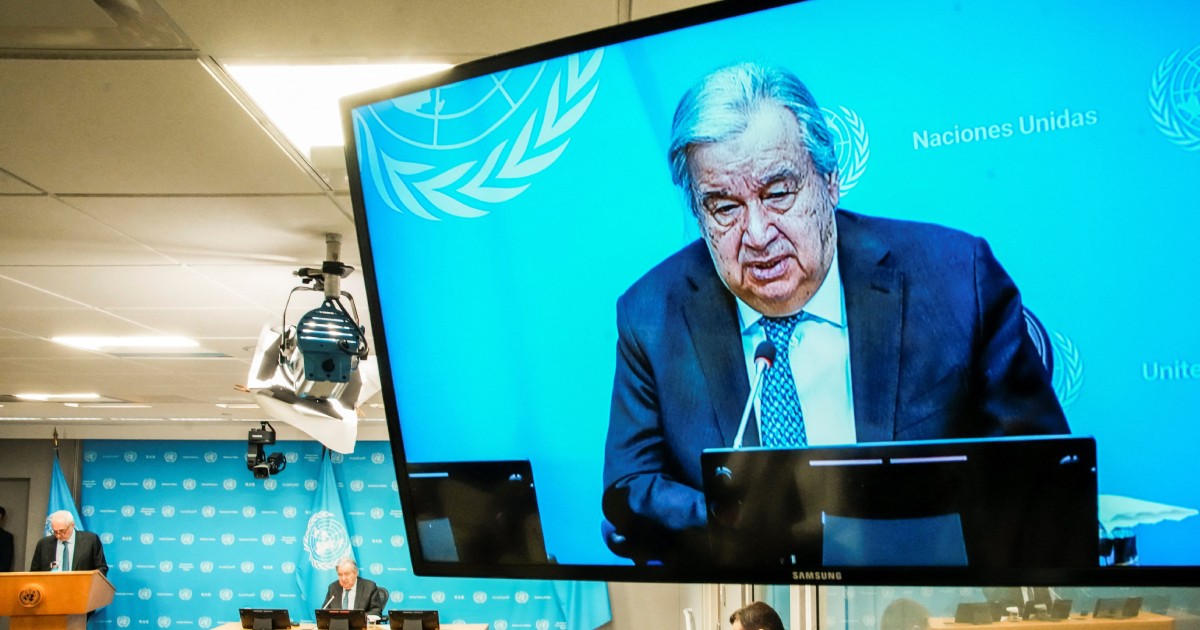
The UN Security Council convened an emergency session, with Secretary-General Antonio Guterres calling for an immediate halt to hostilities. International leaders are urging restraint, citing risks of regional instability and further civilian casualties. Diplomatic channels are reportedly active behind the scenes to prevent further escalation.

Historical Context Behind US Israel Strike Iran
The US Israel strike Iran follows decades of tension since the 1979 Islamic Revolution. Previous Israeli military operations targeted Iranian officials and proxy forces across the Middle East. Recent anti-government protests in Iran had already destabilized the regime, setting the stage for increased vulnerability. Analysts warn that this attack may further inflame regional conflicts and draw in other nations.
Conclusion
The US Israel strike Iran has heightened global tensions, triggered civilian panic, missile retaliation, and disrupted international oil markets. Governments and international organizations continue to monitor the crisis closely, calling for de-escalation to prevent a wider regional conflict. The coming days will be crucial in determining whether the situation escalates or stabilizes.
Please click here for more news