


The US Iran talks Islamabad ceasefire discussions mark a critical diplomatic effort aimed at turning a fragile truce into a more lasting resolution after weeks of conflict that shook global stability.
The high-level negotiations, hosted in Pakistan’s capital, represent one of the most significant diplomatic engagements between Washington and Tehran in years. With global energy markets affected and geopolitical tensions still high, these talks are being closely watched worldwide.
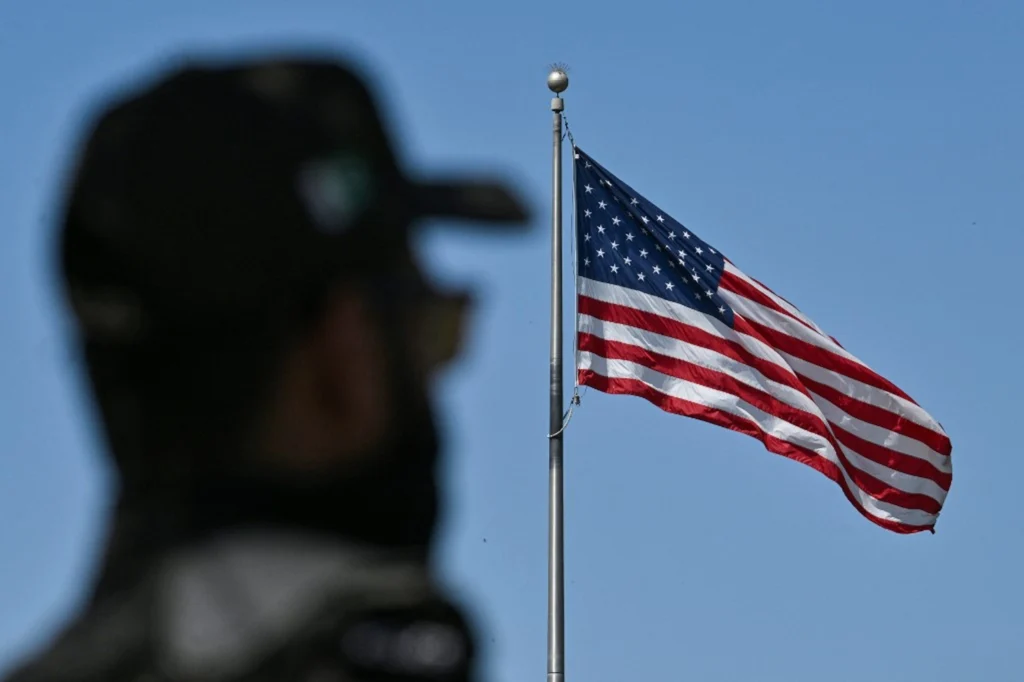

Background: Conflict That Led to the Talks
The US Iran talks Islamabad ceasefire process follows a period of intense military escalation that triggered widespread international concern.
Timeline of Recent Events
- On February 28, coordinated strikes by the United States and Israel targeted Iran’s military and nuclear infrastructure.
- The attacks reportedly resulted in significant casualties and damage over several weeks.
- Iran responded by restricting access to the Strait of Hormuz, a vital global energy route.
- Oil and gas prices surged, disrupting international trade and economic stability.
Ceasefire Agreement
A temporary ceasefire was agreed on April 8, lasting two weeks and expected to run until April 22. This agreement created the foundation for the current US Iran talks Islamabad ceasefire negotiations.
Global Impact of the Conflict
The crisis has had far-reaching effects, including:
- Increased global energy prices
- Supply chain disruptions
- Heightened geopolitical tensions across the Middle East
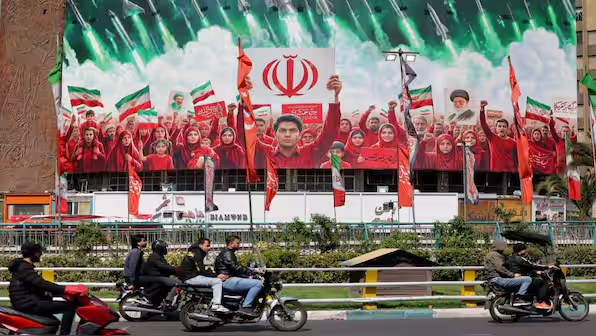

Pakistan’s Role as Mediator
Pakistan’s involvement in facilitating the US Iran talks Islamabad ceasefire highlights a shift in its diplomatic positioning.
Why Pakistan Was Chosen
Pakistan maintains relationships with multiple key players:
- Long-standing ties with Iran, including shared borders and cultural connections
- Strategic partnerships with the United States
- Diplomatic engagement with China and regional allies
Diplomatic Coordination
Pakistan’s mediation efforts were reportedly supported by broader international cooperation.
China’s Influence
China played a supporting role in encouraging Iran to engage in ceasefire discussions. This added momentum to Pakistan’s diplomatic push.
Regional Balancing
Pakistan’s ability to maintain neutrality while engaging multiple global powers has positioned it as a suitable intermediary.
Significance of Hosting the Talks
Hosting the talks signals:
- Pakistan’s growing diplomatic relevance
- A shift from security-focused narratives to peace facilitation
- Increased international trust in its mediation capacity
Key Issues on the Negotiation Table
Despite progress toward dialogue, major differences remain between the two sides in the US Iran talks Islamabad ceasefire negotiations.
United States’ Position
The US proposal reportedly includes:
- Limits on Iran’s enriched uranium program
- Restrictions on ballistic missile development
- Reopening of the Strait of Hormuz
- Conditional sanctions relief
Iran’s Counterproposal
Iran has outlined its own demands:
- Control over the Strait of Hormuz
- Introduction of transit tolls for vessels
- Full removal of economic sanctions
- End to regional military activities
Major Points of Disagreement
Key sticking points include:
- Control and access to vital trade routes
- Scope of sanctions relief
- Military involvement in neighboring regions
The Lebanon Factor
Ongoing military activity in Lebanon has complicated negotiations. Disagreements over whether ceasefire terms extend to Lebanon remain unresolved.
Who Is Leading the Negotiations?
The US Iran talks Islamabad ceasefire discussions involve high-level representatives from both countries.
United States Delegation
The US team is led by senior political figures, including:
- The Vice President
- Special envoys involved in prior negotiations
- Senior diplomatic advisors
Iranian Delegation
Iran is represented by:
- Top government officials
- Senior foreign policy figures
- Parliamentary leadership
Importance of High-Level Engagement
This marks one of the most senior interactions between the two nations since previous nuclear negotiations, signaling the seriousness of current efforts.
Previous Diplomatic Efforts
Earlier negotiations mediated by other countries were interrupted by the outbreak of conflict, making these talks a continuation of earlier diplomatic attempts.
Security Measures in Islamabad
The US Iran talks Islamabad ceasefire have transformed Islamabad into a highly secured zone.
Lockdown Measures
Authorities implemented:
- Increased military and police presence
- Road closures and traffic diversions
- Temporary public holidays
Restricted Locations
Key areas, including diplomatic zones and major hotels, have been secured for the duration of the talks.
Indirect Negotiation Format
The talks are expected to follow an indirect format:
- Delegations remain in separate rooms
- Mediators shuttle proposals between sides
- This approach mirrors previous diplomatic engagements
Public and Economic Impact
The security measures have resulted in:
- Reduced movement within the city
- Temporary business disruptions
- Heightened public awareness of the talks
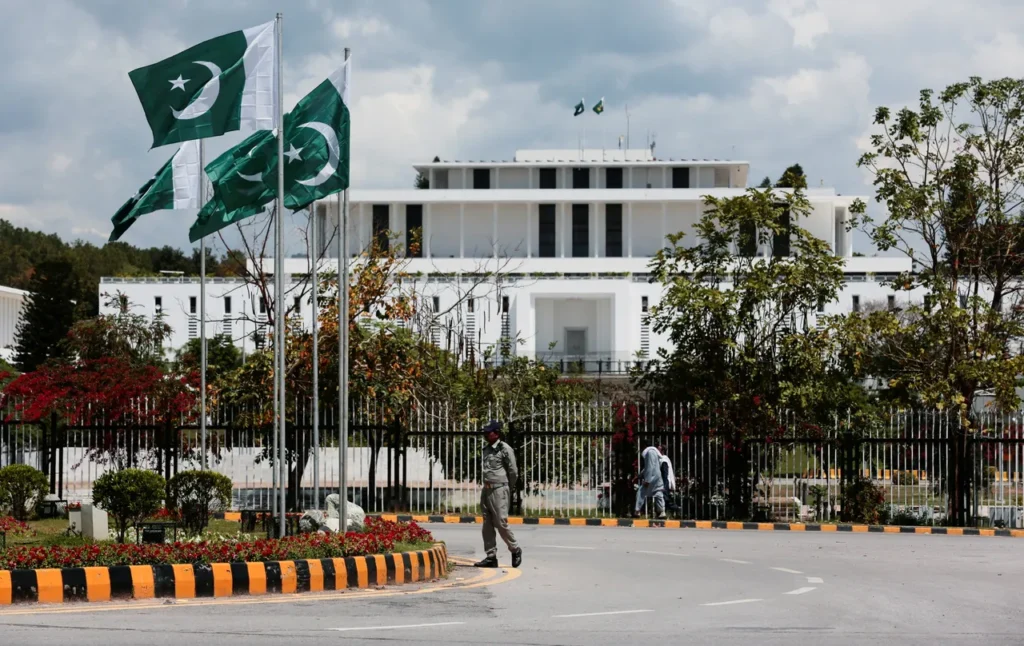
A security guard patrols outside the Aiwan e Sadr (Presidential Palace) ahead of Iran–US talks in Islamabad, Pakistan

Broader Implications of the Talks
The outcome of the US Iran talks Islamabad ceasefire could influence several global dynamics.
Energy Markets
A successful agreement could stabilize oil prices and restore normal shipping routes.
Regional Stability
The talks may help reduce tensions across the Middle East, particularly in conflict-prone areas.
Diplomatic Precedent
If successful, the negotiations could:
- Reinforce the role of third-party mediators
- Encourage future diplomatic engagement over military action
Frequently Asked Questions (FAQ)
What is the purpose of the US Iran talks in Islamabad?
The talks aim to transform a temporary ceasefire into a long-term agreement and reduce ongoing tensions between both countries.
Why is the Strait of Hormuz important in these negotiations?
The Strait is a critical global energy route, and its closure significantly impacts international oil and gas supply.
How long is the current ceasefire expected to last?
The ceasefire is set for two weeks, with an expected expiration date of April 22.
Are the talks direct or indirect?
The negotiations are being conducted indirectly, with mediators relaying messages between both delegations.
Conclusion
The US Iran talks Islamabad ceasefire discussions represent a crucial moment in ongoing efforts to stabilize a volatile geopolitical situation. While significant challenges remain, the willingness of both sides to engage in dialogue offers a pathway toward de-escalation. The outcome will likely have lasting implications for global energy markets, regional peace, and future diplomatic strategies.


