


The new US Iran oil sanctions waiver will allow the production, delivery and sale of Iranian crude oil and petroleum products for a limited two-month period, marking a significant development in ongoing discussions between Washington and Tehran.
The announcement came from the US Treasury Department on Monday following an initial round of talks between the United States and Iran. The temporary authorization is being viewed as part of broader diplomatic efforts aimed at addressing key issues between the two countries while also considering global energy market conditions.
The waiver is scheduled to remain in effect until Aug. 21 and applies to specific transactions involving Iranian-origin crude oil, petrochemical products and petroleum exports.
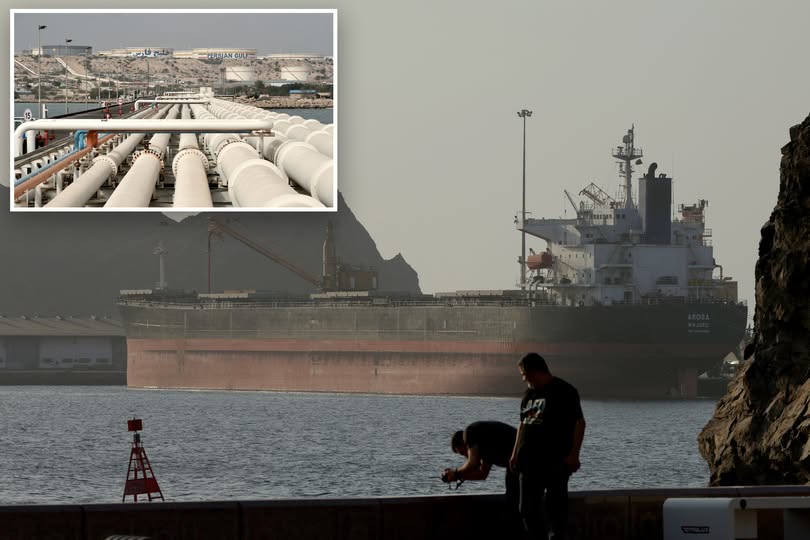

Treasury Department Issues Temporary Authorization
The US Iran oil sanctions waiver was issued through a general license that temporarily permits certain activities that would otherwise be restricted under existing sanctions.
According to US officials, the authorization covers:
• Production of Iranian crude oil
• Delivery and transportation of oil products
• Sale of Iranian crude and petrochemicals
• Certain petroleum-related transactions
The waiver is designed as a temporary measure and does not represent a complete removal of sanctions against Iran.
Officials emphasized that broader sanctions remain in place and that restrictions continue to apply to numerous sectors of the Iranian economy.
Waiver Follows Initial US Iran Talks
The announcement comes shortly after a new round of discussions between US and Iranian representatives.
Diplomatic efforts between the two countries have focused on a range of issues, including regional security, economic restrictions and energy-related concerns.
The latest US Iran oil sanctions waiver is being interpreted as one of the first concrete outcomes linked to those discussions.
Why the Waiver Was Approved
A senior US administration official indicated that the decision was influenced by existing realities in the oil market.
According to the official, Iranian oil exports were already reaching international buyers despite sanctions, often through indirect trading channels and discounted pricing structures.
US officials argued that the temporary waiver could help improve transparency while also contributing to global energy supply stability.
The move may also reduce market uncertainty at a time when oil prices remain sensitive to geopolitical developments.
China Remains a Major Buyer of Iranian Oil
Independent refineries in China’s Shandong province continue to be among the largest purchasers of Iranian crude oil.
These facilities, commonly referred to as “teapot” refineries, have played a significant role in maintaining demand for Iranian exports despite international sanctions.
Impact on Oil Markets
Energy analysts are closely monitoring how the US Iran oil sanctions waiver could affect global oil markets.
Potential impacts include:
• Increased visibility of Iranian oil exports
• Greater supply availability
• Reduced reliance on indirect trading networks
• Possible effects on international crude prices
• Increased market certainty during the waiver period
The extent of these effects will depend on export volumes and broader market conditions over the coming months.
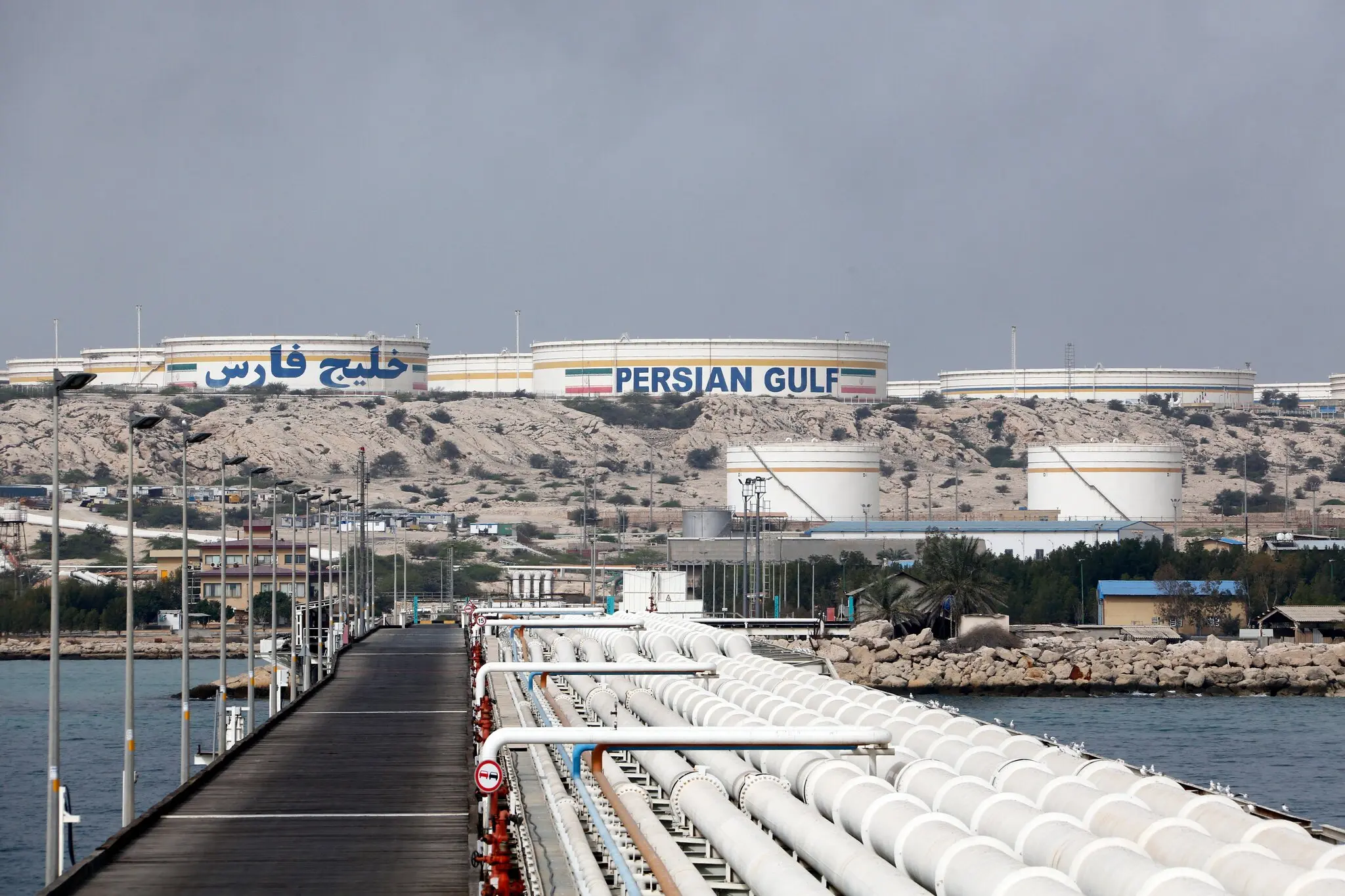

Restrictions Remain Despite Temporary Relief
Although the waiver provides limited sanctions relief, several restrictions remain firmly in place.
The authorization does not extend to transactions involving:
• North Korea
• Cuba
• Russian-occupied territories of Ukraine
• Other restricted entities subject to US sanctions
This means that while certain Iranian oil-related activities are temporarily permitted, broader sanctions enforcement continues.
Temporary Nature of the Waiver
Officials have stressed that the authorization is scheduled to expire on Aug. 21 unless further action is taken.
The temporary timeframe allows policymakers to evaluate the impact of the measure while continuing diplomatic engagement.
The US Iran oil sanctions waiver should therefore be viewed as a short-term policy adjustment rather than a permanent change in sanctions strategy.
Broader Implications for US Iran Relations
The waiver arrives during a period of renewed diplomatic engagement between Washington and Tehran.
Relations between the two countries have experienced years of tension over issues including nuclear activities, regional security concerns and economic sanctions.
While the latest move does not resolve those broader disputes, it signals a willingness by both sides to continue discussions.
Energy and Diplomacy Intersect
Energy policy often plays a central role in international negotiations involving major oil-producing countries.
Iran possesses some of the world’s largest oil and natural gas reserves, making its exports an important factor in global energy markets.
The US Iran oil sanctions waiver demonstrates how economic and energy considerations can influence diplomatic decision-making.
Analysts say future developments will likely depend on the progress of ongoing negotiations and regional geopolitical conditions.
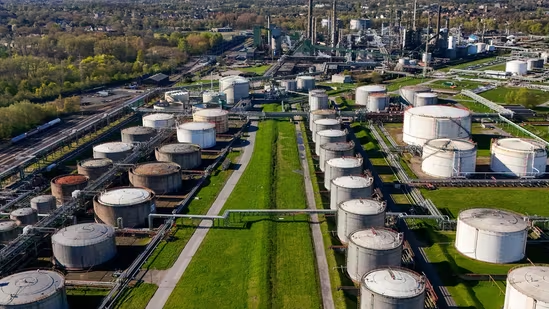

Global Oil Industry Watches Closely
Market participants, governments and energy companies are expected to closely monitor the impact of the waiver.
Questions remain about whether the temporary authorization could lead to additional measures or broader agreements in the future.
For now, the decision provides limited flexibility for Iranian oil transactions while maintaining the overall framework of US sanctions policy.
The coming weeks may offer further insight into how both countries plan to approach future negotiations and economic cooperation.
FAQ
What is the US Iran oil sanctions waiver?
The US Iran oil sanctions waiver is a temporary authorization allowing certain Iranian oil, petrochemical and petroleum transactions through Aug. 21.
Why did the United States issue the waiver?
US officials said the waiver followed discussions with Iran and was intended to address market realities while supporting broader diplomatic efforts.
How long will the Iran oil waiver remain in effect?
The waiver is scheduled to remain active until Aug. 21, 2026, unless extended or modified by US authorities.
Does the waiver remove all sanctions on Iran?
No. The waiver only allows specific oil-related activities. Most US sanctions on Iran remain in force.
Conclusion
The US Iran oil sanctions waiver marks an important development in ongoing diplomatic engagement between Washington and Tehran. While limited in scope and duration, the measure allows certain Iranian oil transactions for two months and could influence both global energy markets and future negotiations. Whether the waiver leads to broader policy changes remains uncertain, but it represents a notable shift in the current sanctions framework.
PLEASE CLICK HERE FOR MORE NEWS


