 0
0
 0
0
Ukraine Primorsk drone strike Finland flights disruption has triggered widespread attention after attacks on Russia’s Baltic coast forced aviation changes across northern Europe and raised concerns about regional security.
Drone Strikes Target Key Russian Oil Port
The latest Ukraine Primorsk drone strike Finland flights incident involved early morning attacks on Russia’s Baltic coastline, specifically targeting the strategic oil port of Primorsk.
Located along the Gulf of Finland, Primorsk serves as one of Russia’s major oil export hubs. Its proximity—less than 50 kilometres from Finland—makes it a sensitive location in the ongoing conflict.
Damage to Energy Infrastructure
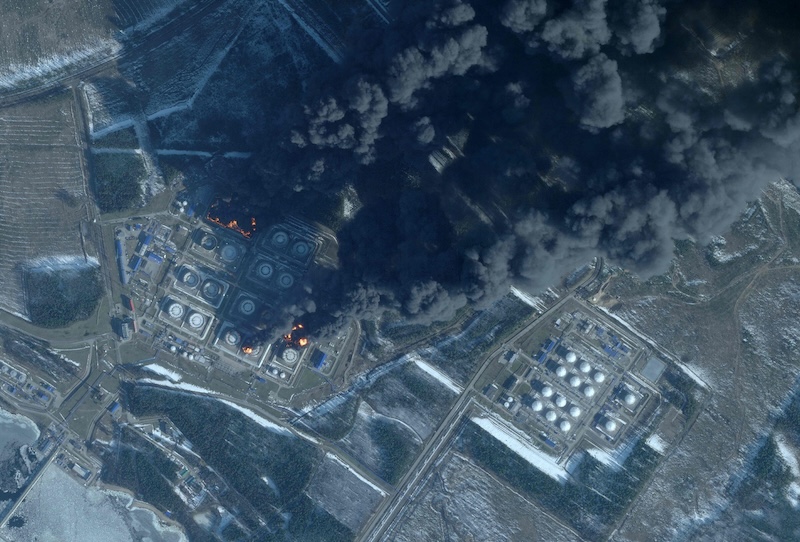
Local authorities in Russia’s Leningrad region confirmed that drone debris struck critical infrastructure at the port.
Key reported impacts include:
- Damage to an oil pipeline
- Leakage from a fuel storage tank
- Limited fire outbreak contained by emergency response
Officials stated that air defence systems intercepted multiple drones, reducing the overall scale of destruction.
Air Defence Response
Authorities reported that:
- 19 drones were intercepted over the Leningrad region
- A wider total of 87 drones were shot down across Russia overnight
Despite the scale of the attack, no casualties were immediately confirmed.
Flight Disruptions Across Northern Europe
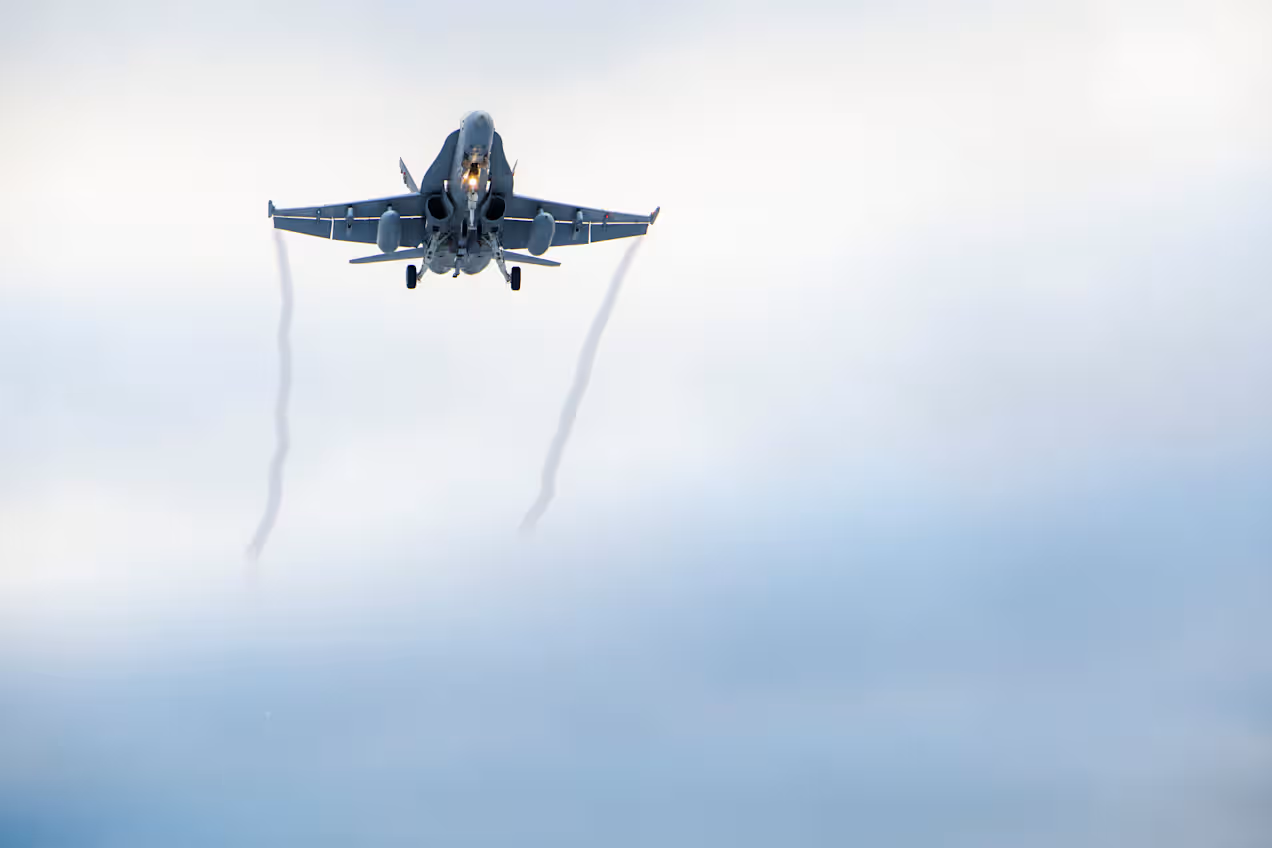
One of the most significant consequences of the Ukraine Primorsk drone strike Finland flights situation was the disruption of civilian air travel.
Closure of St Petersburg Airport
During the attack:
- St Petersburg’s Pulkovo Airport was temporarily shut down
- The closure lasted over two hours
- Airspace restrictions were implemented for safety
Flights were held mid-air or redirected, causing delays and cancellations.
Rerouting Through Finnish Airspace
Several international flights were forced to alter their routes.
Notable changes included:
- Aircraft from China rerouted via Finnish airspace
- Flights entered near Joensuu before continuing to Europe
- Usual southern routes over the Gulf of Finland were avoided
This marks a rare instance where military activity directly impacted commercial aviation routes in the region.
Broader Aviation Impact
Air traffic disruptions extended beyond Russia:
- Dozens of flights delayed or cancelled
- Increased congestion in alternative air corridors
- Operational challenges for airlines managing long-haul routes
Wider Wave of Drone Attacks in Russia
The Ukraine Primorsk drone strike Finland flights event was part of a broader wave of attacks across multiple Russian regions.
Strikes in Nizhny Novgorod
Further inland, additional drone strikes were reported in the Nizhny Novgorod region.
Authorities confirmed:
- 30 drones intercepted
- Fires at facilities linked to oil company Lukoil
- Damage to a power plant and nearby residential buildings
Emergency services responded quickly, and no casualties were reported in early updates.
Increasing Targeting of Energy Facilities
Recent months have seen a pattern of attacks focused on energy infrastructure.
Key targets include:
- Oil terminals
- Pipelines
- Storage facilities
These strikes are believed to aim at disrupting supply chains and economic operations.
Strategic Importance of Primorsk Port
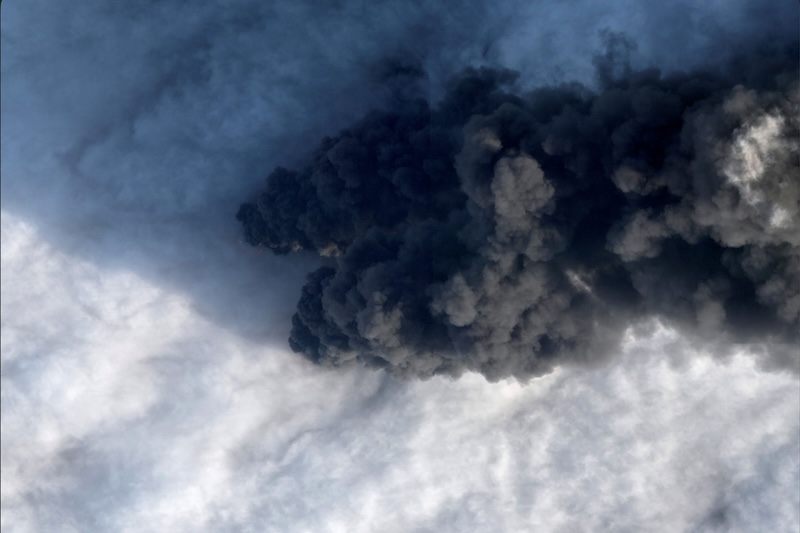
The Ukraine Primorsk drone strike Finland flights disruption highlights the importance of Primorsk in global energy logistics.
Role in Oil Exports
Primorsk is a critical node in Russia’s oil export system:
- Handles large volumes of crude oil shipments
- Connects to international markets via the Baltic Sea
- Supports energy supply chains across Europe and beyond
Any disruption at the port can have ripple effects on energy markets.
Proximity to Finland
Its location near Finland adds a geopolitical dimension:
- Less than 50 km from the Finnish border
- Close to NATO-aligned territory
- Raises regional security concerns
This proximity explains the heightened surveillance by Finnish authorities.

Finland’s Security Response
Following the Ukraine Primorsk drone strike Finland flights developments, Finland has increased its defensive posture.
Enhanced Monitoring
Finnish defence officials have taken steps to:
- Increase surveillance along the border
- Monitor airspace activity closely
- Coordinate with regional partners
These measures are aimed at ensuring national security amid escalating tensions.
Regional Implications
The situation underscores broader concerns:
- Spillover risks from the conflict
- Increased military and airspace activity
- Pressure on neighbouring countries
Finland’s response reflects caution in a rapidly evolving security environment.
Ongoing Impact on Aviation and Energy Markets
The Ukraine Primorsk drone strike Finland flights incident demonstrates how modern conflicts can affect multiple sectors simultaneously.
Aviation Sector Challenges
Airlines now face:
- Unpredictable route changes
- Increased fuel costs due to longer routes
- Operational delays and passenger disruptions
These factors could persist if similar incidents continue.
Energy Market Sensitivity
Disruptions to oil infrastructure can influence:
- Supply stability
- Global oil prices
- Market confidence
Even limited damage can create uncertainty in already volatile markets.
FAQ
What caused the flight disruptions over Finland?
The disruptions were caused by airspace restrictions following drone strikes near Primorsk, which forced aircraft to reroute for safety.
Where is Primorsk located?
Primorsk is a Russian oil port on the Baltic Sea, located near the Finnish border along the Gulf of Finland.
Were there casualties reported in the attack?
Initial reports indicated no casualties, although infrastructure damage was confirmed.
Why are energy facilities being targeted?
Energy infrastructure is often targeted to disrupt supply chains and economic operations during conflicts.
Conclusion
Ukraine Primorsk drone strike Finland flights disruption highlights the interconnected nature of modern conflicts, where military actions can quickly impact aviation, energy infrastructure, and regional security. As tensions continue, the situation remains closely monitored by neighbouring countries and global observers, with potential implications for both transport networks and energy markets.
PLEASE CLICK HERE FOR MORE NEWS