 0
0
 0
0
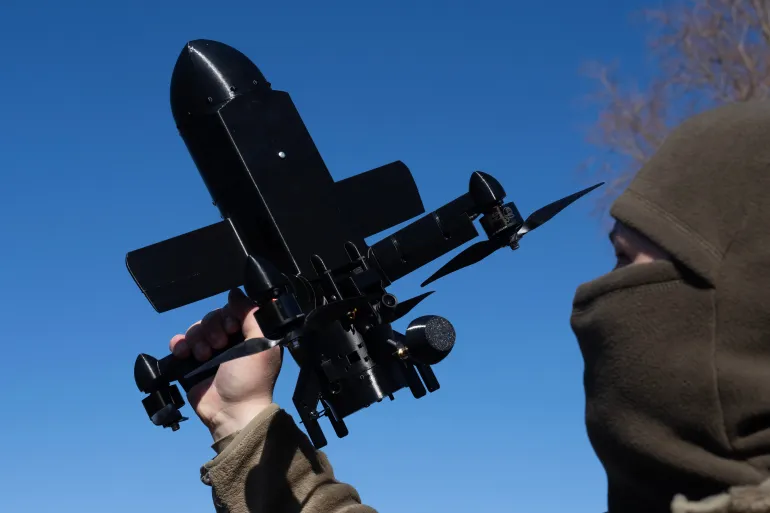
Ukraine drone defence Gulf 2026 efforts are intensifying as Kyiv sends military advisers and anti-drone technology to Gulf countries amid rising regional threats from Iran. President Volodymyr Zelenskyy confirmed that over 200 Ukrainian experts have already been deployed to the UAE, Qatar, Saudi Arabia, and Kuwait, with nearly 30 more scheduled to join in the coming weeks.
Ukraine’s Expertise in Drone Interception
Record Drone Interceptions
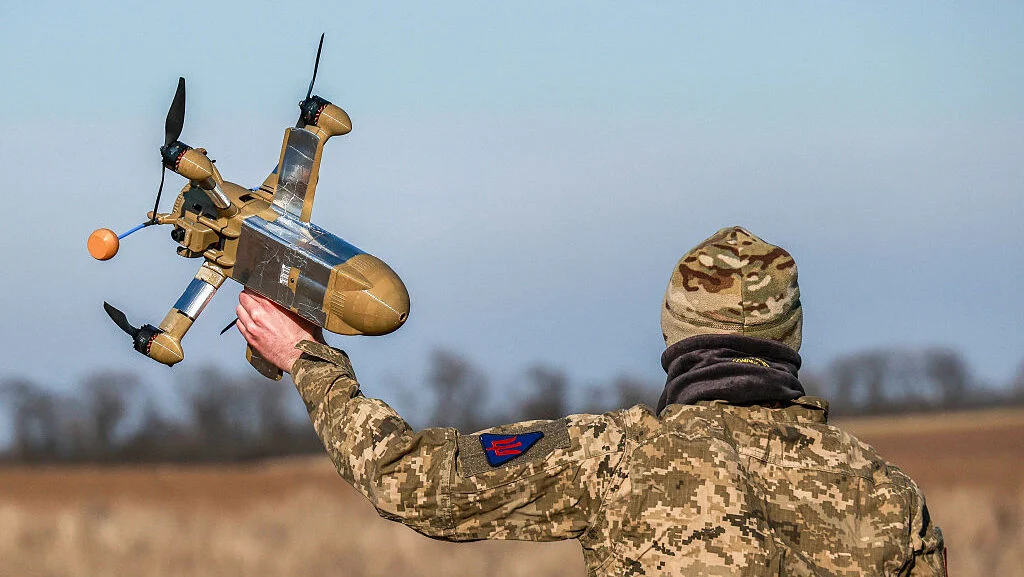
Ukraine has achieved a remarkable track record against Russian drones, destroying more than 44,700 unmanned aerial vehicles since the start of the war. Last month alone, Ukrainian forces intercepted 3,238 Shahed-type drones, achieving a near 90 percent success rate with a target of 95 percent.
-
Shahed drones: Originally supplied by Iran to Russia in 2022, now mass-produced by Moscow.
-
Ukrainian success rate: Close to 90 percent, aiming for 95 percent.
-
Monthly drone neutralization: Over 15,000 Russian drones shot down in March 2026.
Technology Transfer to Gulf States
Zelenskyy emphasized that Ukrainian expertise is being shared with Gulf countries to bolster their low-altitude drone defences. These systems, developed by Ukrainian companies, are cost-effective compared to high-priced ballistic interceptors.
-
Ukrainian interceptor drone cost: Approximately $3,000 per unit.
-
US ballistic interceptors: Up to $10 million per shot.
-
Production capacity: Ukraine can produce 2,000 combat-proven interceptors daily, supplying allies with an additional 1,000 units.
Zelenskyy also offered support to British bases in Cyprus, which recently experienced drone attacks, by deploying radar and acoustic detection teams.
Strategic Implications for the Gulf
Regional Vulnerabilities
Analysts, including Oslo University missile expert Fabian Hoffmann, note that Gulf states have focused primarily on high-altitude missile defences, leaving them vulnerable to low-flying drone attacks. Ukrainian technology addresses this gap effectively and affordably.
Cooperative Security Measures
Ukraine’s involvement represents a proactive approach, linking its conflict experience with wider regional security concerns. The collaboration signals stronger Gulf-Ukraine ties and highlights Kyiv’s growing role as a global expert in drone defence.
Ukraine’s Counteroffensive in the South
Territorial Gains
Ukrainian forces have reportedly reclaimed approximately 400 square kilometers (154 square miles) of territory in southern regions since January 2026. This counteroffensive has forced Russia to redeploy units and reserves to stabilize the front.
Targeting Russian Infrastructure
Ukraine has increasingly focused on Russian energy and defence assets:
-
Afipsky Oil Refinery & Kavkaz Port: Struck to disrupt refining capabilities.
-
Aviastar Aircraft Plant: Targeted to limit aircraft production.
-
Yugnefteprodukt Depot & Novgorod Aircraft Repair Site: Hit to weaken logistics and repair capacity.
The Institute for the Study of War reports that strikes have intensified near the front lines in eastern and southern Ukraine, targeting Russian forces and supply chains.
Offensive Shift
Ukrainian Commander-in-Chief Oleksandr Syrskii confirmed a transition from defensive to offensive operations in the south, gradually liberating populated areas while inflicting strategic damage on Russian forces.
Oil Market Effects and Russian Windfall
Strait of Hormuz Developments
Iran has restricted oil exports through the Strait of Hormuz, affecting hundreds of tankers and creating an unexpected financial boost for Russia.
US Sanction Adjustments
The Trump administration temporarily suspended sanctions on Russian oil through April 11, allowing Moscow to benefit from high global oil prices. Analysts estimate Russian windfall earnings of up to $4.9 billion by the end of March 2026.
Pipeline Challenges
Hungary reversed a €90 billion loan to Ukraine, citing the need for Druzhba pipeline repairs, further complicating Kyiv’s energy export strategy. Repairs remain difficult under ongoing Russian strikes.
Future Outlook
Ukraine drone defence Gulf 2026 initiatives are expected to expand, with additional advisers, interceptors, and tactical support sent to the Gulf. This effort positions Ukraine as a leader in counter-drone technology and enhances its international strategic footprint.
FAQ Section
-
What is Ukraine drone defence Gulf 2026 initiative?
Ukraine drone defence Gulf 2026 refers to Kyiv deploying experts and interceptor drones to Gulf countries to protect against Iranian low-altitude drone threats. -
How effective are Ukraine’s anti-drone systems?
Ukraine has shot down over 44,700 drones with a near 90% success rate, using affordable interceptor drones costing $3,000 each. -
Which Gulf countries are receiving Ukrainian drone expertise?
The UAE, Qatar, Saudi Arabia, and Kuwait are receiving Ukrainian specialists and interceptors to strengthen regional drone defences. -
How does Ukraine’s counteroffensive impact Russian infrastructure?
Ukrainian strikes target energy depots, refineries, aircraft plants, and logistics sites, weakening Russian operational capacity in southern and eastern regions.
Ukraine’s expansion of drone defence expertise to the Gulf highlights its dual role in regional security and the ongoing conflict with Russia. By sharing tactical know-how and advanced interceptors, Kyiv strengthens alliances while demonstrating the strategic utility of its counter-drone experience. These developments are likely to influence military planning and regional stability well into 2026.
Please Click Here For More News