 0
0
 0
0
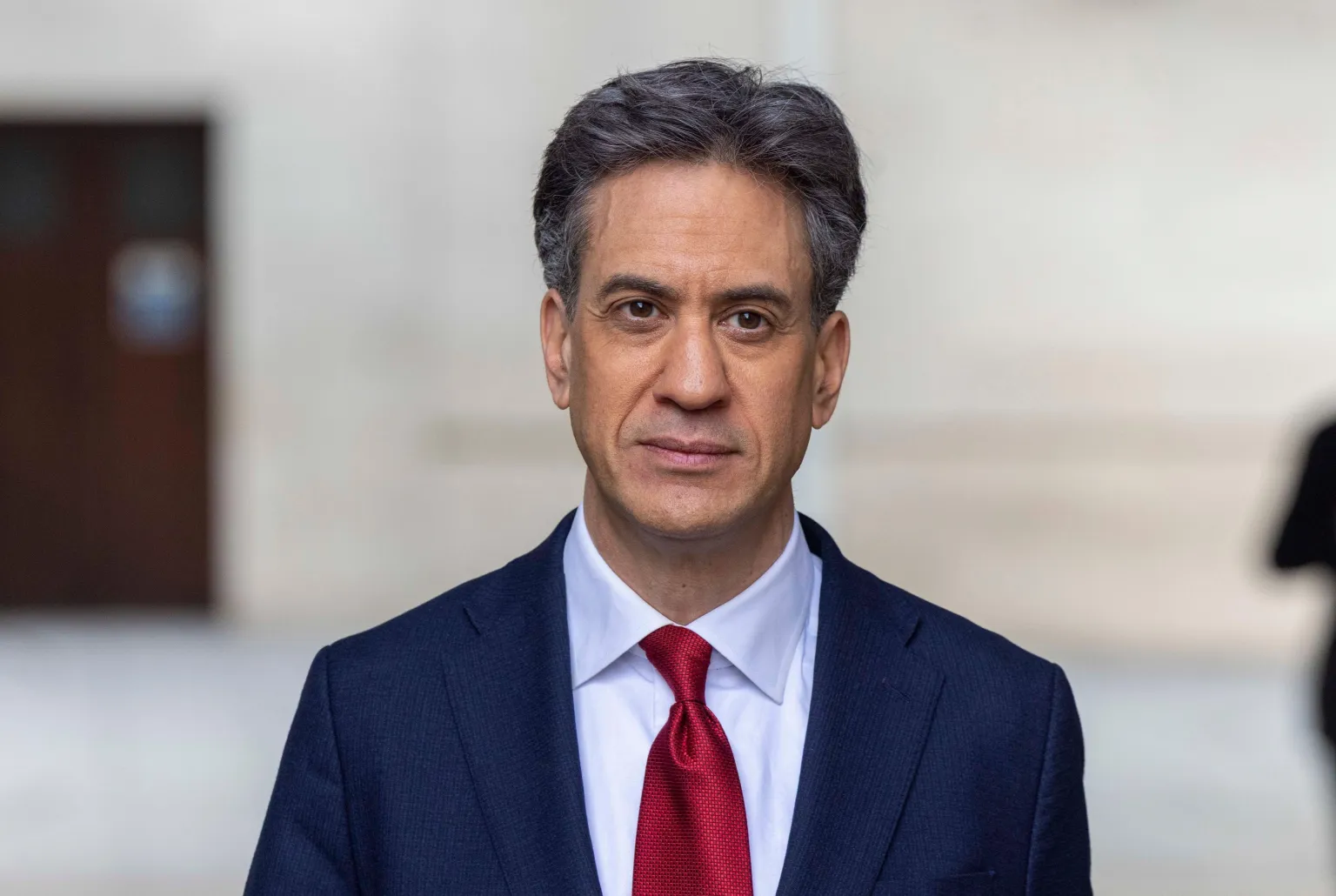
UK Labour MPs Net Zero review 2026 has emerged as a major political development after dozens of lawmakers urged Prime Minister Keir Starmer to reconsider key climate policies, particularly the planned transition away from petrol and diesel vehicles.
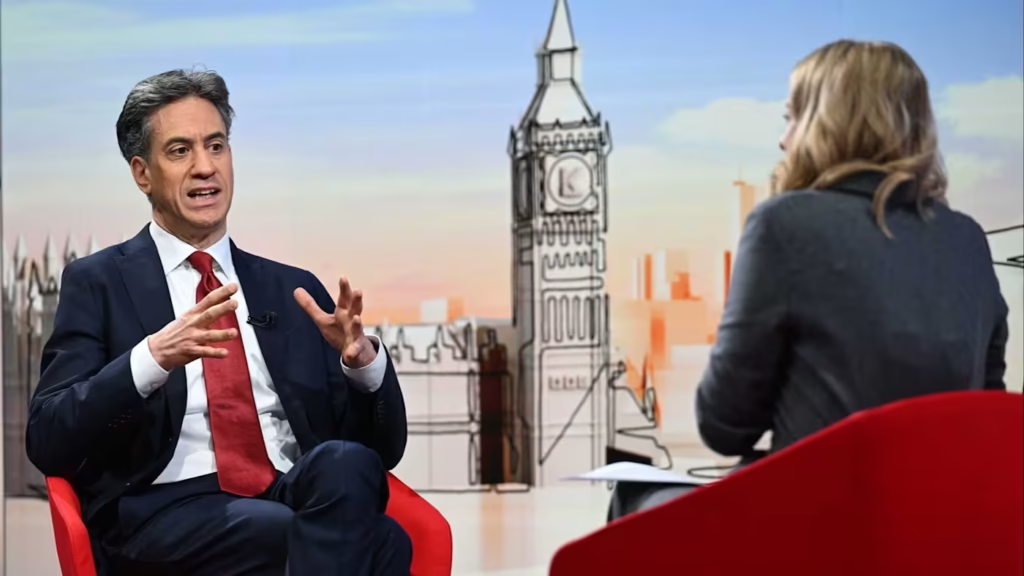
UK Labour MPs Net Zero review 2026 gains momentum
Reports indicate that between 30 and 40 Labour MPs signed a letter addressed to senior government officials, calling for a reassessment of the current Net Zero strategy.
The letter was reportedly sent to key figures including Chancellor Rachel Reeves, Transport Secretary Heidi Alexander, and Business Secretary Peter Kyle.
The MPs are concerned that the current timeline for transitioning to electric vehicles may have unintended economic consequences.
Key concerns raised by MPs
- Impact on UK car manufacturing jobs
- Slow adoption rate of electric vehicles
- Pressure from global competition
- Supply chain challenges affecting the industry
The UK Labour MPs Net Zero review 2026 reflects growing internal debate about balancing environmental goals with economic stability.
Pressure to rethink 2030 petrol and diesel car ban
A major focus of the discussion is the 2030 target to end the sale of new petrol and diesel vehicles. Lawmakers argue that the deadline may be too aggressive given current market conditions.
Steve Yemm, one of the signatories, warned that strict timelines could force manufacturers to cut jobs if demand for electric vehicles does not increase quickly enough.
Challenges facing the automotive sector
The UK automotive industry is currently dealing with several pressures:
- Transition costs to electric vehicle production
- Competition from international manufacturers
- Uncertain consumer demand for EVs
- Infrastructure gaps such as charging networks
MPs argue that a more flexible approach may be necessary to protect jobs and maintain competitiveness.
Economic risks highlighted
The letter emphasizes that rigid adherence to Net Zero deadlines could:
- Lead to factory closures
- Result in job losses in key constituencies
- Reduce the UK’s industrial output
These concerns are particularly strong in regions heavily reliant on manufacturing.
Government stance on Net Zero strategy
Despite the pressure, the government continues to defend its Net Zero policies as essential for long-term growth and sustainability.
Energy Secretary Ed Miliband has been leading efforts to position the UK as a “clean energy superpower.”
Officials argue that the transition to electric vehicles and renewable energy will create new industries and employment opportunities over time.
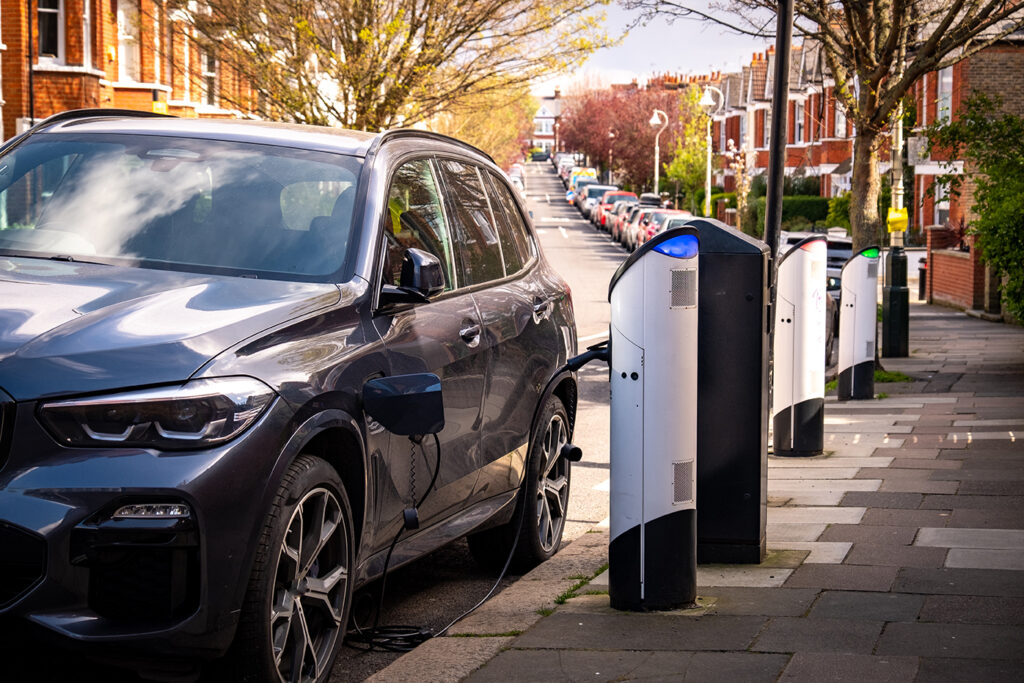
Government investment in electric vehicles
According to official statements, the government has committed significant funding to support the transition:
- Over £7.5 billion invested in EV manufacturing
- Financial incentives for consumers purchasing electric cars
- A £1 billion package to expand electric vans and trucks
Authorities also note that electric vehicles are becoming more affordable and accessible, with sales continuing to rise.
Policy flexibility measures
To address industry concerns, the government has introduced measures allowing manufacturers to meet targets in multiple ways, rather than relying solely on EV sales.
This includes flexibility in compliance mechanisms under the Zero Emission Vehicle (ZEV) mandate.
Growing internal debate within Labour Party
The UK Labour MPs Net Zero review 2026 is not an isolated development. It reflects ongoing discussions within the party about how quickly climate policies should be implemented.
Previous calls for policy adjustments
- Some MPs have advocated easing levies on oil and gas producers
- Others have called for additional support for affected communities
- Concerns have been raised about the cost of living impact
These debates highlight differing perspectives on how to balance environmental goals with economic realities.
Constituency-level concerns
MPs representing industrial and automotive regions are particularly vocal. They argue that:
- Local economies depend heavily on traditional manufacturing
- Rapid transitions could disrupt livelihoods
- Policy changes must consider regional differences
The UK Labour MPs Net Zero review 2026 underscores the political sensitivity of climate policy implementation.
Broader implications for UK climate policy
The situation illustrates a broader challenge faced by governments worldwide: achieving climate targets while maintaining economic stability.
Key policy considerations
- Timing of transitions to clean energy
- Protection of existing jobs
- Investment in new industries
- Public acceptance of climate measures
Balancing these factors is critical to ensuring a sustainable and inclusive transition.
Potential outcomes of the review
If the government responds to the MPs’ concerns, possible outcomes could include:
- Adjustments to the 2030 vehicle ban timeline
- Increased financial support for manufacturers
- Expanded infrastructure for electric vehicles
However, no official response has been issued so far regarding the letter.
FAQ
Why are UK Labour MPs calling for a Net Zero review in 2026?
They are concerned that current policies, especially the 2030 petrol and diesel ban, could harm jobs and the automotive industry.
What is the 2030 target about?
It aims to end the sale of new petrol and diesel cars in the UK, replacing them with electric vehicles.
How has the government responded to these concerns?
The government has defended its strategy but has not issued a detailed response to the latest letter from MPs.
Will the Net Zero policy be changed?
No changes have been confirmed yet, but discussions within the government and party are ongoing.
Conclusion
The call for a UK Labour MPs Net Zero review 2026 highlights the complex balance between environmental ambition and economic realities. While the government remains committed to its long-term climate goals, internal party discussions suggest that adjustments may be considered to address concerns about jobs and industry stability.
PLEASE CLICK HERE FOR MORE NEWS