

 0
0
 0
0
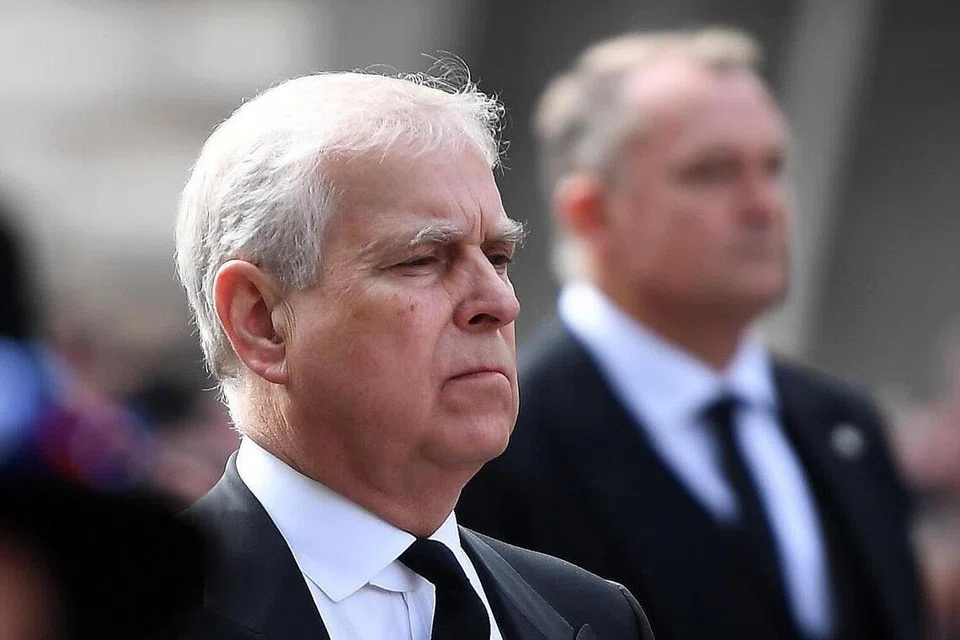
UK Government Considers Removing Prince Andrew from the royal line of succession following mounting political pressure in Parliament after his recent arrest on suspicion of misconduct in public office.
The discussion around whether the UK Government Considers Removing Prince Andrew has intensified after several political parties signaled support for legislation that could formally strip Prince Andrew of his position in the order of succession.
Arrest Sparks Renewed Debate
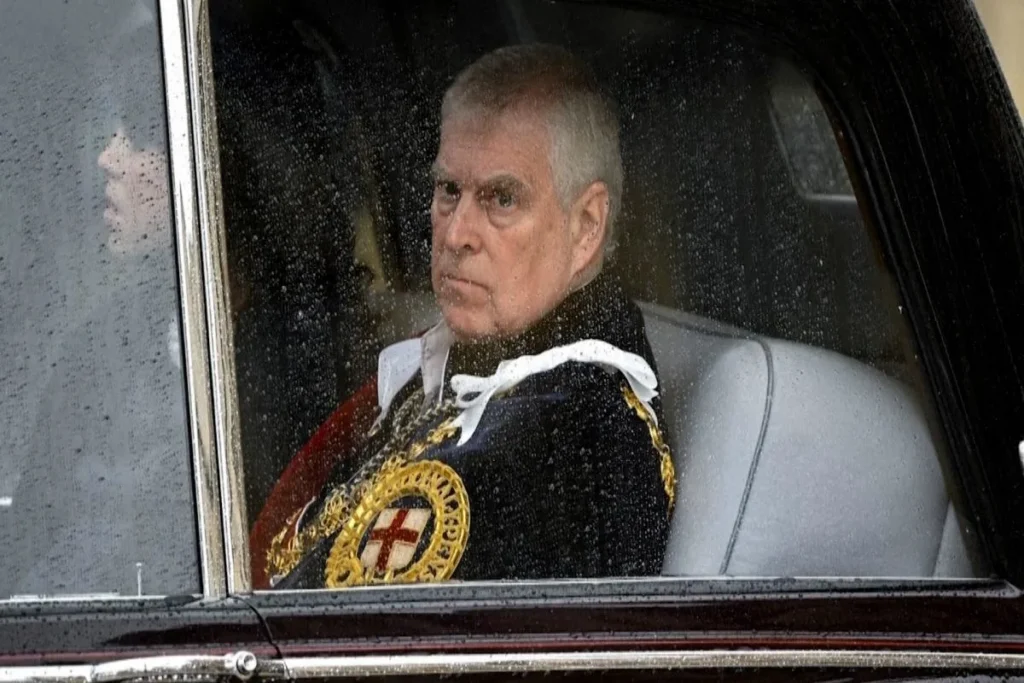
The debate over whether the UK Government Considers Removing Prince Andrew gained urgency after UK police arrested the Duke of York earlier this week. Authorities later released him under investigation as inquiries continue.
The arrest marked an unprecedented development involving a senior modern royal. It also revived public scrutiny of Andrew’s long standing association with Jeffrey Epstein.
Renewed attention has focused on allegations that Andrew may have shared confidential information during his tenure as a UK trade envoy. He has denied these claims.
The issue of whether the UK Government Considers Removing Prince Andrew is closely tied to past controversies, including accusations made by Virginia Giuffre. Andrew denied the allegations and settled a US civil lawsuit in 2022 without admitting liability.
Political Parties Push for Action
The push behind why the UK Government Considers Removing Prince Andrew is being led primarily by the Liberal Democrats and the Scottish National Party.
Lawmakers from both parties argue that maintaining public confidence in the monarchy requires decisive action if wrongdoing is established.
However, the process is legally complex. If the UK Government Considers Removing Prince Andrew formally, it would require an Act of Parliament passed by both the House of Commons and the House of Lords.
International Constitutional Requirements
An additional complication in the debate over whether the UK Government Considers Removing Prince Andrew is the need for approval from the 14 Commonwealth realms where King Charles III remains head of state.
Countries including Canada, Australia, Jamaica, and New Zealand would need to consent to any change affecting succession laws.
Because of this requirement, even if the UK Government Considers Removing Prince Andrew domestically, implementation could take significant time.
Government Position
Prime Minister Keir Starmer previously stated he had no immediate plans to introduce legislation altering the line of succession.
Despite increasing pressure, officials have indicated that the government is waiting for the outcome of the police investigation before deciding whether the UK Government Considers Removing Prince Andrew in formal legislative terms.
Within the Labour Party, opinions remain divided. Some members have criticized the monarchy more broadly, but others question whether Parliament should intervene given that Andrew is currently eighth in line to the throne.
Opposition Response
Leader of the Conservative Party, Kemi Badenoch, urged caution and emphasized the importance of due process.
Shadow Scotland Secretary Andrew Bowie stated that Parliament would have the right to act if Andrew were found guilty but noted he has not been charged.
These statements underscore the sensitivity surrounding whether the UK Government Considers Removing Prince Andrew before legal proceedings conclude.
Legal and Constitutional Impact
If the UK Government Considers Removing Prince Andrew through legislation, it could set a historic constitutional precedent.
The most recent significant change to succession law occurred under the Succession to the Crown Act 2013. However, that reform addressed general succession principles rather than targeting a specific individual.
Targeted removal could raise debates about parliamentary authority, royal independence, and constitutional norms.
Public and Political Implications
The debate about whether the UK Government Considers Removing Prince Andrew reflects broader public concerns regarding accountability and transparency.
While his current position makes it unlikely he would ever ascend to the throne, symbolic implications remain significant.
If the investigation results in formal charges, momentum behind the UK Government Considers Removing Prince Andrew could increase substantially. If no charges are filed, legislative appetite may diminish.
What Happens Next
For now, the question of whether the UK Government Considers Removing Prince Andrew remains under discussion rather than formal action.
Police investigations are ongoing, and no timeline has been announced.
Parliamentary debate is expected to continue, especially if new legal developments emerge.
Until then, the UK Government Considers Removing Prince Andrew remains a politically sensitive issue tied closely to the outcome of the investigation and constitutional procedure.
For more news, please visit our Homepage




每天都在战争,希望2026和平.