


UK autonomous minehunter drones Middle East 2026 are being considered for deployment as tensions escalate in the Strait of Hormuz. These advanced unmanned systems could play a vital role in reopening this critical maritime passage and securing global trade.
Why the Strait of Hormuz Matters
The Strait of Hormuz links the Persian Gulf with the Gulf of Oman and is crucial for global energy transport.
Key Facts:
-
Approximately 20% of the world’s oil passes through daily.
-
Iran has restricted navigation since the outbreak of hostilities with the United States.
-
Attacks on commercial vessels and naval mine deployments have disrupted trade and increased energy prices.
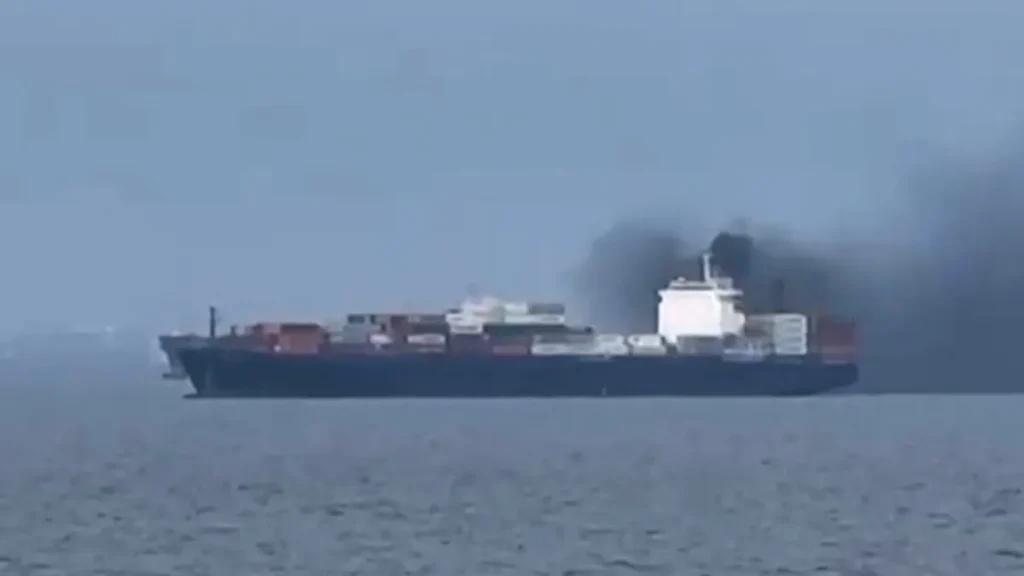
Recent incidents include the March 11, 2026 attack on the Thai bulk carrier Mayuree Naree, which resulted in 20 crew members being rescued. Reports suggest Iran may have laid mines to further block maritime traffic, with the US Defense Intelligence estimating Tehran holds over 5,000 naval mines.
UK Mine-Hunting Systems in the Region
The Royal Navy already maintains autonomous mine-hunting systems in the Gulf.

Project Wilton and Zulu Squadron
-
Project Wilton is operated by the Mine and Threat Exploitation Group’s Zulu Squadron.
-
Uses uncrewed surface vessels and Iver4 autonomous underwater vehicles.
-
Iver4 drones are torpedo-shaped, roughly two metres long, capable of operating for hours at depths of nearly 1,000 feet.
These drones scan seabeds, identify potential mines, and map safe navigation routes. Currently, they focus on detection rather than neutralization but remain critical for UK maritime operations.
HMS Middleton and Royal Navy Presence
-
HMS Middleton, the last crewed UK minehunter in the region, returned to the UK on March 1, 2026.
-
The UK maintains seven minehunter vessels, with only three currently available for deployment.
-
These vessels continue to protect UK waters and facilitate submarine transit at Faslane port in Scotland.
Rear Admiral Neil Morisetti, who commanded British naval protection during the Iran-Iraq war, criticized the timing of HMS Middleton’s departure as potentially strategically unwise.
How UK Mine-Hunting Technology Works
UK autonomous minehunter drones Middle East 2026 operate through an integrated three-stage process:
Detection
-
Uncrewed surface vessels tow sonar arrays while Iver4 drones independently map the seabed.
-
AI tools analyze sonar data to identify potential mines.
Triggering
-
Some naval mines respond to magnetic, acoustic, or electric signatures.
-
The Royal Navy’s SWEEP system simulates these signals to safely detonate mines remotely.
-
SWEEP was trialed in the Gulf in 2025 but is not permanently stationed there.
Neutralization
-
Remotely operated underwater vehicles deliver small explosive charges to destroy confirmed mines.
-
Operators maintain a safe distance, reducing risk to personnel.
Potential Deployment of Octopus Drones
While not minehunters, Octopus drones may support UK operations.
Key Features
-
Designed as aerial interceptor drones to counter Iranian Shahed suicide drones.
-
Developed by Ukrainian engineers using AI image recognition to intercept targets.
-
UK production began in January 2026, with thousands of units expected monthly at £2,260 per drone—far cheaper than conventional missiles.
Officials are considering deploying Octopus drones in the Middle East to defend naval and commercial vessels, though Ukraine remains the primary recipient.
Strategic Importance of Deployment
Deploying UK autonomous minehunter drones Middle East 2026 could:
-
Reopen the Strait of Hormuz safely for global trade.
-
Reduce naval personnel risk by relying on unmanned systems.
-
Stabilize energy markets by restoring Persian Gulf oil flow.
-
Strengthen allied cooperation following US calls for regional security.
Timeline and Considerations
-
The UK is reviewing options after US President Donald Trump urged allies to secure the waterway.
-
Energy Secretary Ed Miliband confirmed autonomous mine-hunting technology is under consideration.
-
Aerial interceptor drones remain a secondary option at an early planning stage.
The deployment of both underwater and aerial drones demonstrates a multi-layered approach to maritime threats while keeping personnel safe.
Long-Term Implications
The use of autonomous systems in the Gulf highlights the increasing reliance on unmanned technology in conflict zones. If deployed, UK autonomous minehunter drones Middle East 2026 could set a precedent for future naval operations, combining AI with traditional naval expertise to safeguard strategic waterways.
FAQ
Q: What are UK autonomous minehunter drones?
A: They are unmanned surface and underwater vehicles that detect, map, and neutralize naval mines without risking human lives.
Q: Why is the Strait of Hormuz strategically important?
A: It handles about 20% of the world’s daily oil transport, affecting global energy markets and trade routes.
Q: How do UK mine-hunting drones detect mines?
A: They use sonar arrays and AI analysis to map the seabed and identify potential mines, with SWEEP technology to safely detonate them.
Q: What are Octopus drones used for?
A: Octopus drones are aerial interceptors designed to counter Iranian Shahed drones using AI tracking and physical interception.
Conclusion
The potential deployment of UK autonomous minehunter drones Middle East 2026 underscores the urgent need to secure critical shipping lanes. By combining underwater mine-hunting with aerial drone interception, the UK aims to restore safe passage through the Strait of Hormuz and stabilize global trade and energy markets.
Please visit our website for more news


