

 0
0
 0
0
UK antisemitic ambulance attack arrests have drawn widespread attention after British police detained two suspects linked to a suspected hate-motivated arson incident in London targeting Jewish community emergency vehicles. The case has raised concerns about rising antisemitic incidents and coordinated attacks across parts of Europe.
UK antisemitic ambulance attack arrests confirmed by police
Authorities confirmed that two men, aged 47 and 45, were arrested in connection with the incident. The arrests were carried out at separate locations in northwest and central London following an ongoing investigation into the fire attack.
Police stated that both suspects are currently in custody as investigations continue into the circumstances surrounding the incident. The attack involved multiple vehicles belonging to a Jewish community emergency response organization.
The UK antisemitic ambulance attack arrests come after early reports indicated that the fire was deliberate and targeted. Officials have emphasized that the case is being treated as a serious hate crime.
Timeline of the incident
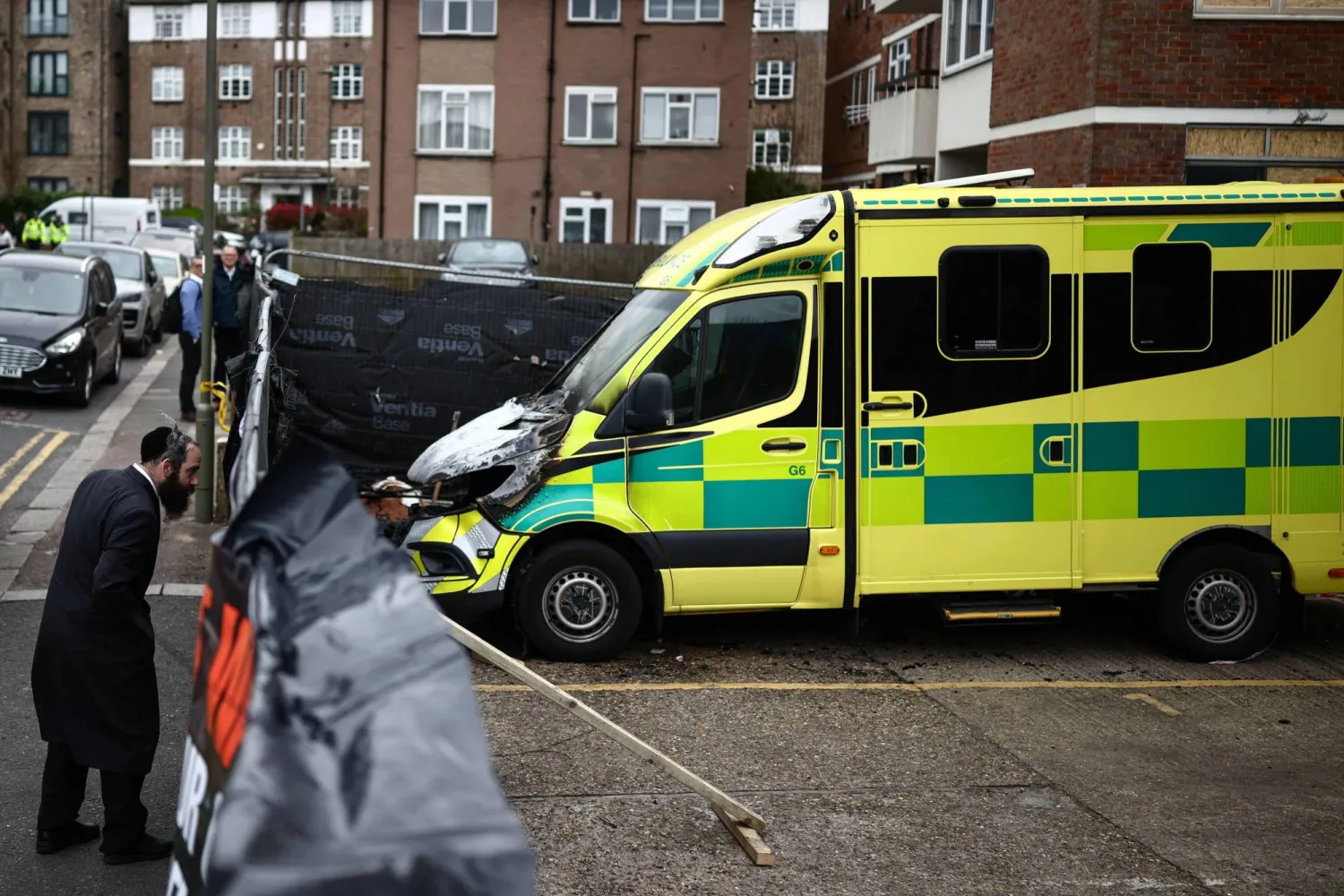
- The ambulances were set on fire early Monday morning
- Emergency services responded to contain the blaze
- No injuries were reported despite the scale of the attack
- Investigations began immediately, including forensic analysis
Authorities have also reviewed CCTV footage, which suggests that at least three individuals may have been involved in carrying out the attack.
Location and impact
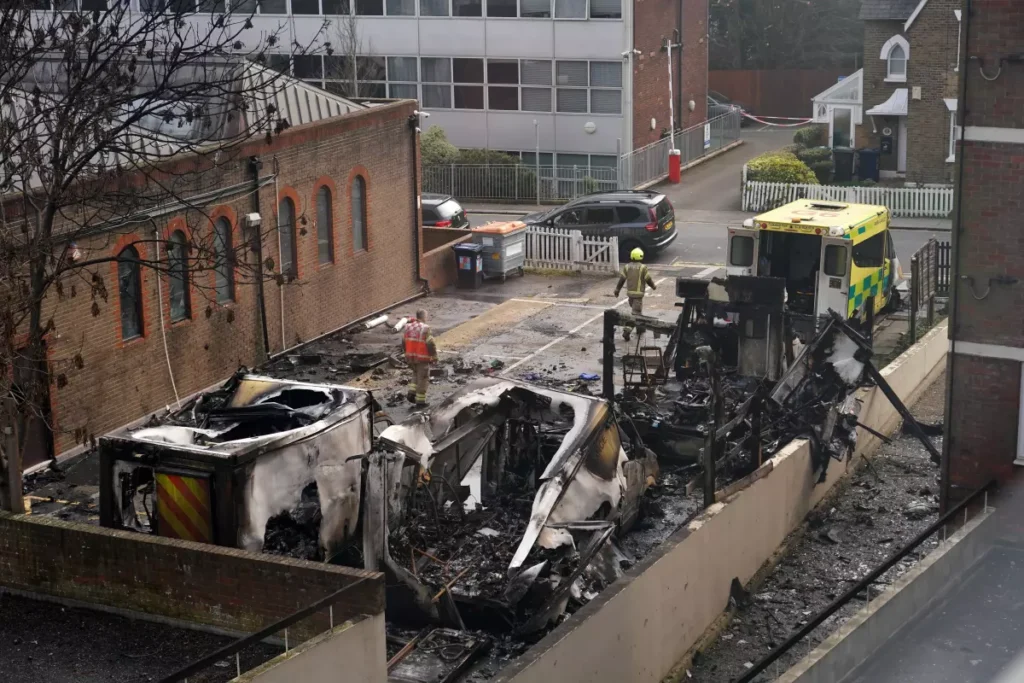
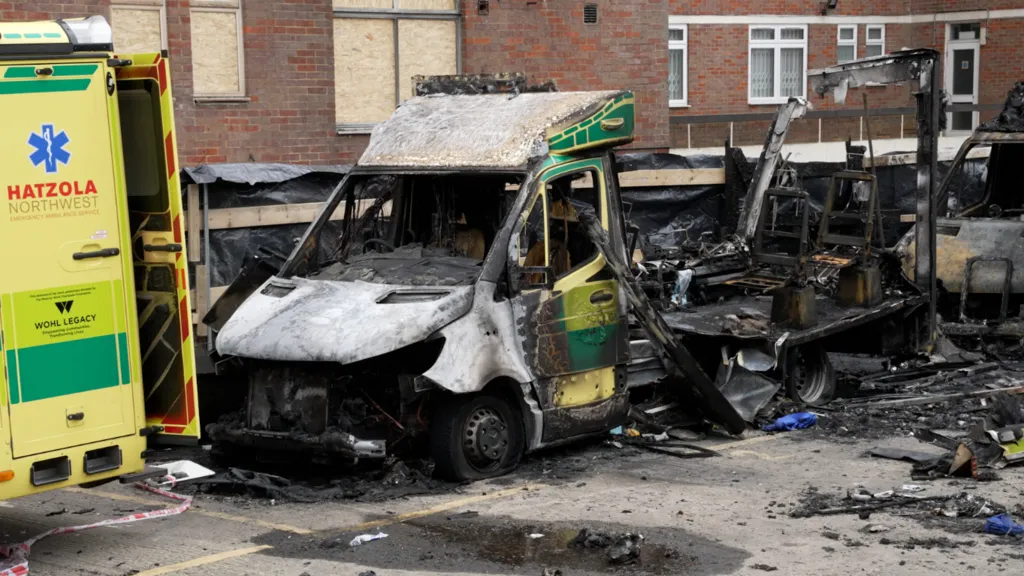
The attack took place in Golders Green, a well-known area in northwest London with a significant Jewish population. The ambulances belonged to a volunteer emergency service group that provides rapid medical response within the community.
Although no lives were lost, the destruction of emergency vehicles has raised concerns about the ability of local responders to provide urgent medical care.
Details of the antisemitic arson attack
The UK antisemitic ambulance attack arrests follow what officials described as a coordinated arson operation. The ambulances were reportedly parked when they were set ablaze, leading to extensive damage.
Investigators have classified the attack as antisemitic in nature due to the targeted group and the context of the incident.
Statements from UK officials
British Prime Minister Keir Starmer described the incident as a “deeply shocking antisemitic arson attack,” highlighting the seriousness of the situation.
Law enforcement agencies have also reiterated their commitment to identifying all individuals involved and ensuring accountability.
Authorities stressed that hate crimes targeting religious or ethnic communities will be treated with the highest priority.
Investigation developments
Police have not ruled out wider connections as part of the investigation. Earlier reports indicated that authorities were examining a possible link to external networks.
Key investigation steps include:
- Analysis of surveillance footage
- Forensic examination of the scene
- Intelligence coordination with national security agencies
- Monitoring of potential extremist activity
Officials have urged members of the public to provide any relevant information that could assist in identifying additional suspects.
Possible international links under review
Reports from intelligence monitoring sources suggest that a group aligned with Iranian interests may have claimed responsibility for the attack. The group allegedly linked the incident to a series of similar arson cases across Europe.
According to these reports, the same network may have been involved in fire-related attacks in countries including:
- Belgium
- Greece
- The Netherlands
While these claims are still under investigation, authorities have not confirmed any direct international connection. However, the possibility of coordinated activity has added a broader security dimension to the case.
European pattern of similar incidents
Security analysts note that recent months have seen a rise in incidents targeting symbolic or community-linked infrastructure. These include religious sites, cultural centers, and service organizations.
The UK antisemitic ambulance attack arrests are therefore being viewed within a wider context of regional security concerns.
Response from the Jewish community and officials
The attack has prompted strong reactions from community leaders and international representatives. Israel’s embassy in Britain called for decisive action to address what it described as a growing climate of intimidation.
Community organizations have expressed concern over safety and the potential impact on emergency response services.
Calls for stronger protection measures
In response to the incident, several stakeholders have emphasized the need for:
- Enhanced security around community institutions
- Increased monitoring of hate crimes
- Faster response mechanisms to threats
- Stronger collaboration between communities and law enforcement
Authorities have reassured the public that measures are being taken to prevent further incidents and maintain public safety.
Public cooperation in investigations
Police have appealed to residents and witnesses to come forward with any information. Public cooperation is considered crucial in identifying all individuals involved and preventing future attacks.
Broader implications of the UK antisemitic ambulance attack arrests
The incident highlights ongoing challenges related to hate crimes, community safety, and the protection of critical services. Attacks on emergency infrastructure can have far-reaching consequences beyond immediate damage.
Key concerns raised include:
- Disruption of emergency medical services
- Psychological impact on targeted communities
- Risk of escalation if incidents are not addressed promptly
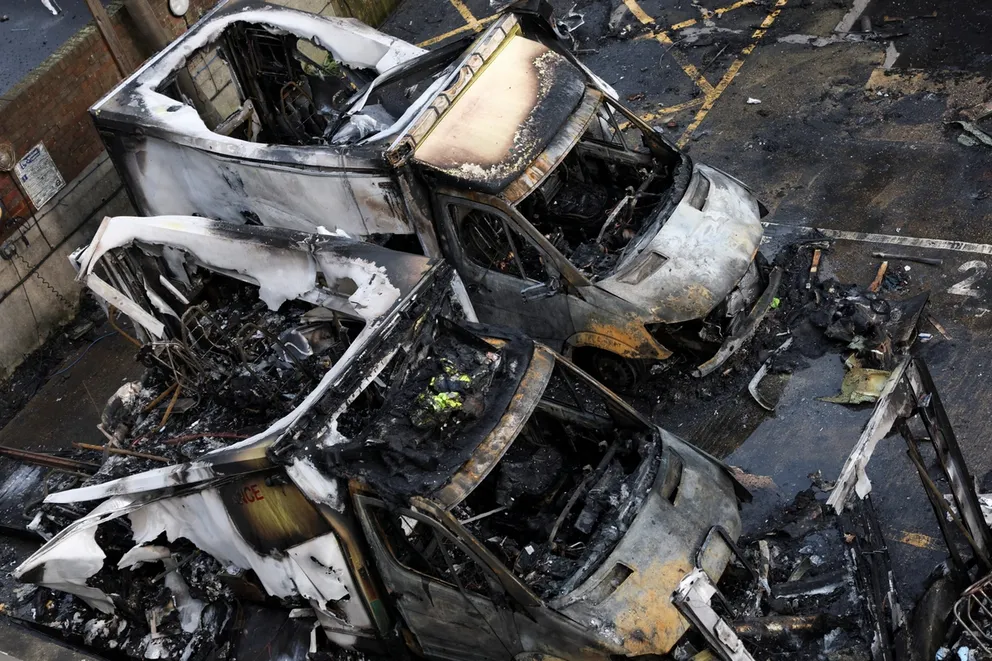
The UK antisemitic ambulance attack arrests underscore the importance of vigilance, law enforcement coordination, and community resilience in addressing such threats.
FAQ
What is the UK antisemitic ambulance attack arrests case about?
The case involves the arrest of two suspects linked to a fire attack on Jewish community ambulances in London, which authorities are treating as an antisemitic hate crime.
Were there any casualties in the London ambulance attack?
No injuries or deaths were reported, although multiple ambulances were destroyed in the fire.
Is there any international connection to the attack?
Authorities are investigating possible links to external networks, but no confirmed international connection has been established yet.
Why is the attack considered antisemitic?
The ambulances belonged to a Jewish community organization, and the targeting has led authorities to classify it as a hate-motivated incident.
Conclusion
The arrests linked to the antisemitic ambulance attack in London mark a significant step in an ongoing investigation into a serious hate crime. While authorities continue to examine possible wider connections, the case highlights the need for sustained efforts to protect vulnerable communities and critical services. Ensuring accountability and strengthening preventive measures remain key priorities as investigations progress.
PLEASE CLICK HERE FOR MORE NEWS


