


The U.S. Iraq militias government ban discussion has escalated following reports that Washington is pressuring Iraqi political leaders to prevent armed, Iran-linked factions from holding positions in the next government. The issue comes at a critical moment as Iraq prepares to announce a new cabinet under Prime Minister-designate Ali al-Zaidi.
According to political sources and statements attributed to U.S. officials, Washington’s position is clear: groups with armed wings should not participate in state institutions or government decision-making structures.
This development has sparked renewed debate inside Iraq about the balance between political representation and armed influence within the country’s political system.
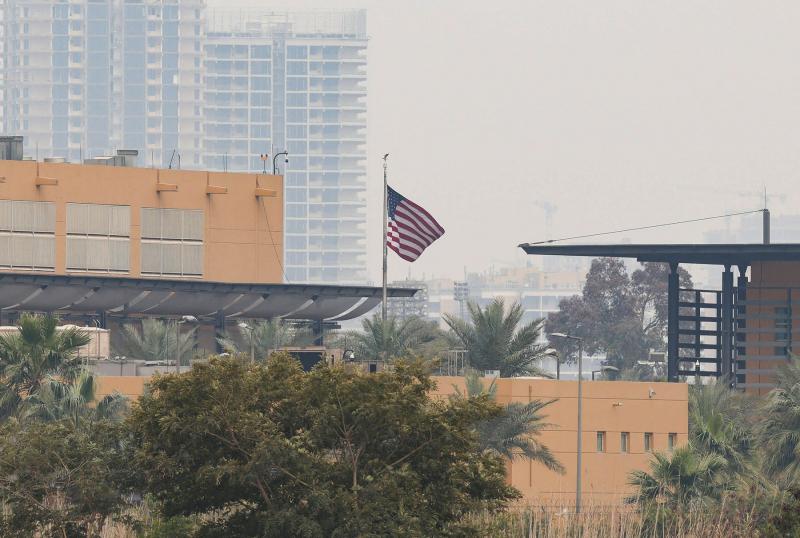

Washington’s Position on Armed Political Factions in Iraq
The United States has reportedly intensified its diplomatic pressure on Iraqi political blocs, particularly those linked to armed groups operating under broader alliances within parliament.
Core message from Washington
U.S. officials have emphasized several key points:
- Armed factions should not hold government positions
- State institutions must remain independent from militias
- Political participation should not be linked to military power
These statements reinforce the broader U.S. Iraq militias government ban stance, which seeks to separate armed groups from formal governance structures.
Coordination Framework under scrutiny
The Coordination Framework, Iraq’s largest parliamentary alliance, includes several parties with ties to Popular Mobilization Forces-linked groups. This bloc holds significant influence in the formation of the next government.
Iraq Government Formation and Rising Political Tensions
The timing of the U.S. message coincides with ongoing negotiations to form a new Iraqi government following recent elections.
Electoral shifts reshaping power
Recent elections in Iraq have:
- Increased representation of militia-linked political wings
- Strengthened alliances within the Coordination Framework
- Reduced influence of rival political movements due to boycotts
These shifts have given armed groups greater parliamentary leverage, increasing concerns among international observers.
Influence inside state institutions
Reports indicate that militia-linked political groups now:
- Hold significant parliamentary seats
- Influence key ministries and security agencies
- Participate in shaping government coalitions
This growing influence is central to the U.S. Iraq militias government ban debate.
Key Militia-Linked Political Groups in Iraq
Several factions with armed histories or affiliations have transitioned into political participation through parliamentary representation.
Asaib Ahl al-Haq and political expansion
The political wing known as the Sadiqoun Movement significantly increased its parliamentary presence.
Key developments
- Seat growth from single digits to over two dozen
- Strong regional electoral performance in southern provinces
- Continued scrutiny due to armed history and foreign links
Badr Organization’s institutional role
The Badr Organization remains one of the oldest and most influential factions.
Areas of influence
- Interior Ministry connections
- Security and defense committees
- Long-standing political alliances within parliament
Other Armed-Linked Political Movements in Parliament
Several additional groups have secured parliamentary representation while maintaining historical ties to armed factions.
Popular Mobilization-linked movements
These include:
- Ataa Movement
- Sanad National Assembly
- Hoquq Movement
- Muntasiroun Bloc
- Khadamat Alliance
Each group varies in size, influence, and political alignment but shares a common background of association with armed organizations.
Concerns over dual military-political roles
Observers note:
- Overlapping military and political leadership structures
- Influence in security policymaking
- Difficulty separating armed activity from governance roles
These concerns remain central to the U.S. Iraq militias government ban discussion.
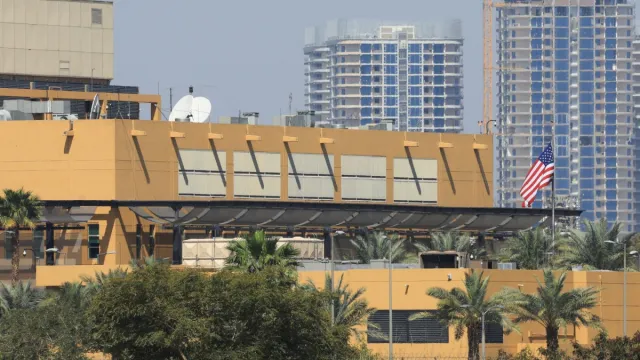

Why the U.S. Is Increasing Pressure Now
The U.S. position reflects broader strategic concerns about Iraq’s political direction and regional stability.
Key motivations behind Washington’s stance
- Preventing foreign influence in Iraqi governance
- Reducing militia control over security institutions
- Encouraging institutional reform and central authority
Diplomatic messaging strategy
Rather than immediate sanctions or intervention, Washington is relying on:
- Diplomatic warnings
- Political engagement with Iraqi leaders
- Monitoring of government formation outcomes
Internal Iraqi Debate Over Militia Participation
Inside Iraq, the issue remains deeply divisive.
Arguments supporting inclusion
Some political factions argue that:
- Militias represent legitimate electoral constituencies
- Armed groups evolved into political organizations
- Exclusion could destabilize political balance
Arguments supporting exclusion
Opponents counter that:
- Armed influence undermines state sovereignty
- Security institutions risk political capture
- Governance should be fully civilian-controlled
This division continues to shape the U.S. Iraq militias government ban discourse.
Regional Implications of Iraq’s Political Direction
The outcome of Iraq’s government formation has broader implications beyond its borders.
Strategic regional concerns
- Influence of Iran-aligned groups in Iraqi politics
- Stability of U.S.-Iraq relations
- Security of regional military operations
Long-term governance questions
Key unresolved issues include:
- Whether armed factions can fully transition into civilian politics
- How Iraq balances sovereignty with external pressure
- Future structure of security institutions
Future Outlook for Iraq’s Government Formation
As Iraq moves toward finalizing its new cabinet, the role of militia-linked parties remains a defining issue.
Possible scenarios ahead
- Inclusion of militia-linked political wings in government roles
- Partial exclusion through negotiated compromises
- Continued U.S. diplomatic pressure on coalition formation
What to watch next
- Final cabinet announcements
- Allocation of security-related ministries
- Reactions from international partners
The outcome will significantly influence the direction of the U.S. Iraq militias government ban debate in the coming months.
FAQ – U.S. Iraq Militias Government Ban
Why is the U.S. opposing militias in Iraq’s government?
The U.S. argues that armed groups should not hold government positions to ensure independent and civilian-controlled state institutions.
Which Iraqi groups are linked to armed militias?
Several political wings in Iraq are associated with armed factions, including groups linked to the Popular Mobilization Forces and other Iran-aligned organizations.
How many seats do militia-linked groups hold in Iraq’s parliament?
Reports suggest that these groups collectively hold a significant portion of parliamentary seats, giving them strong political influence.
Can Iraq form a government without these groups?
It is politically challenging due to their parliamentary strength, but exclusion or reduced roles remain possible through negotiations.
Conclusion
The U.S. Iraq militias government ban debate highlights ongoing tensions between international pressure and Iraq’s internal political realities. As government formation continues, the role of armed-linked political factions remains one of the most sensitive and influential issues shaping Iraq’s political future.
Click here for more news


