


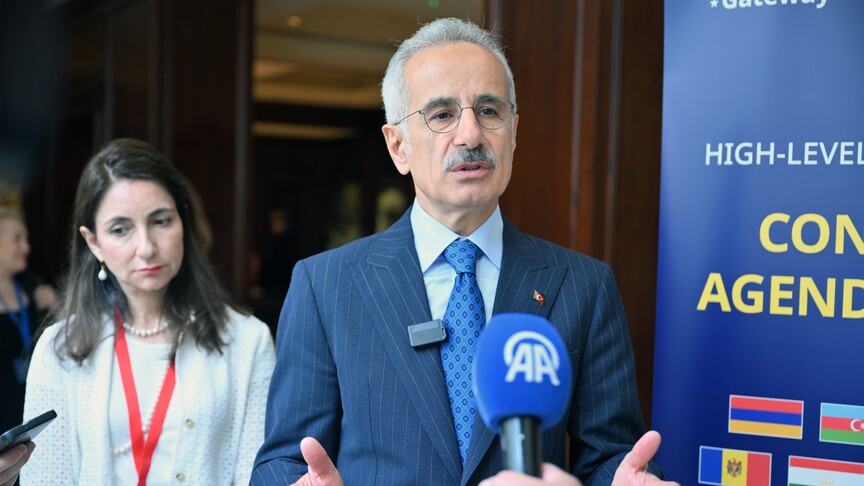
Türkiye EU transport connectivity was a central topic at a high level meeting in Brussels, where Turkish officials called for faster visa processing and simpler customs procedures to improve international trade. Turkish Transport and Infrastructure Minister Abdulkadir Uraloglu said administrative barriers at borders can significantly disrupt supply chains, even after goods have already been manufactured, sold, and paid for.
Speaking after the launch of the Connectivity Agenda Platform in Brussels on June 23, 2026, Uraloglu stressed that efficient logistics systems are becoming increasingly important as countries rely more heavily on international trade networks. He argued that reducing delays at customs checkpoints and simplifying visa procedures for transport workers are necessary steps to maintain the smooth flow of goods across borders.

Türkiye Highlights Challenges Facing Global Trade
International trade depends on more than production and commercial agreements. Goods must also move efficiently between countries through road, rail, sea, and air transport networks.
According to Uraloglu, delays in administrative processes can undermine the benefits of completed trade transactions.
Customs Delays Remain a Major Concern
The minister noted that customs procedures continue to present challenges for transport operators in many regions.
When shipments face lengthy inspections or documentation requirements, businesses can experience:
- Delivery delays
- Higher transportation costs
- Supply chain disruptions
- Reduced efficiency in trade operations
These challenges can affect manufacturers, exporters, importers, and consumers alike.
Visa Processing for Transport Workers
Another issue highlighted during the discussions was the processing of visas for transport professionals.
Road and rail transport workers often require travel permits to move goods across multiple countries. Delays in obtaining visas can interrupt logistics schedules and affect delivery timelines.
Uraloglu emphasized that quicker visa issuance would help strengthen international supply chains and improve trade efficiency between regions.
Digital Infrastructure and Border Efficiency
In addition to visas and customs reforms, the minister pointed to the importance of digital infrastructure.
Modern customs systems increasingly rely on digital platforms to process documentation, monitor cargo, and coordinate border operations.
Improved digital connectivity can help reduce paperwork, shorten processing times, and create more predictable trade routes.
Growing Importance of Cross Border Logistics
The discussions in Brussels reflected broader concerns about the future of global trade and transportation.
As economies become increasingly interconnected, countries rely on efficient transport corridors to move goods and maintain economic activity.
Countries Are More Interdependent Than Ever
Uraloglu stated that even the world’s most advanced economies can no longer operate independently in terms of production and trade.
Global manufacturing often involves multiple countries contributing raw materials, components, technology, and logistics services before a product reaches consumers.
This interconnected system means disruptions in one region can have ripple effects across international markets.
Why Supply Chains Matter
Modern supply chains support a wide range of industries, including:
- Manufacturing
- Agriculture
- Energy
- Technology
- Consumer goods
- Healthcare
Efficient transport networks help ensure these industries can access materials and deliver products on time.

Lessons From Recent Global Disruptions
Recent years have demonstrated how vulnerable supply chains can be to geopolitical tensions, transportation bottlenecks, and unexpected disruptions.
As a result, governments and international organizations have increasingly focused on creating more resilient and diversified transport routes.
Türkiye and the EU Strengthen Connectivity Cooperation
A major focus of the meeting was ongoing cooperation between Türkiye and the European Union on transport infrastructure and logistics development.
The Türkiye EU transport connectivity agenda has gained attention as policymakers seek alternative routes linking Europe and Asia.
The Strategic Role of the Middle Corridor
One of the most important projects discussed was the Middle Corridor.
The route connects Asia and Europe through Türkiye and serves as an alternative trade pathway between major economic regions.
Supporters of the corridor argue that it can:
- Diversify transport options
- Reduce dependence on single routes
- Improve regional connectivity
- Strengthen economic cooperation
The corridor has become increasingly relevant as governments evaluate transportation resilience and long term infrastructure planning.
Recognition in Brussels
According to Uraloglu, there is growing recognition among European institutions that transport routes should not rely exclusively on a single corridor or transportation mode.
Diversification is viewed as an important strategy for reducing risks and improving supply chain reliability.
This shift has encouraged greater cooperation between Türkiye and European partners on infrastructure initiatives.
Future Investment Opportunities
The minister also pointed to opportunities for additional investment in transport connectivity projects.
Infrastructure developments often require substantial financial support from governments, development banks, and international funding institutions.
Several initiatives connected to the Middle Corridor are expected to remain a priority in future regional planning discussions.
Northern Rail Crossing Project Receives Attention
Another important topic raised during the event was the planned Northern Rail Crossing project in Istanbul.
The project is linked to the Yavuz Sultan Selim Bridge and is viewed as a key element in strengthening rail transportation capacity.
Infrastructure Development Goals
The proposed rail connection aims to:
- Improve freight transportation efficiency
- Increase rail capacity
- Enhance connections between Europe and Asia
- Support long term logistics growth
Rail transport is increasingly seen as a sustainable and efficient solution for international trade.
International Financial Support
Uraloglu noted that the project has already received support through financing mechanisms associated with international development institutions.
Additional funding opportunities may also become available through European financial instruments designed to support connectivity projects.
Such investments could play a significant role in expanding regional transportation networks over the coming years.
Diplomatic Engagement With European Officials
Alongside the connectivity discussions, Uraloglu also held meetings with European representatives.
Meeting With European Commissioner Marta Kos
The minister confirmed discussions with Marta Kos regarding future cooperation.
According to statements made during the event, additional talks are expected to take place during upcoming visits and bilateral meetings.
These discussions are expected to focus on transport cooperation, infrastructure development, and broader regional connectivity goals.
Continued Dialogue on Regional Projects
Ongoing communication between Türkiye and European institutions remains an important part of advancing shared transportation objectives.
Officials continue to explore opportunities for collaboration on projects designed to improve trade and mobility throughout the region.
Türkiye and Armenia Discuss Transport Links
Regional connectivity was another significant topic addressed during the Brussels event.
Uraloglu revealed that he held discussions with Armenian Territorial Administration and Infrastructure Minister Davit Khudatyan.
Efforts to Reopen Road and Rail Crossings
According to the minister, both countries are working toward restoring previously operational transport links.
Preparatory work is reportedly underway on both sides, with infrastructure assessments and maintenance activities progressing.
The reopening of transportation routes could improve movement between neighboring regions and support broader connectivity initiatives.
Potential Economic Benefits
Restoring transport connections may provide several advantages, including:
- Increased regional trade
- Improved logistics efficiency
- Expanded transportation options
- Greater economic cooperation
Infrastructure projects often play an important role in strengthening economic ties between neighboring countries.
Historical Silk Road Connections
Uraloglu also referenced efforts related to historical transport routes associated with the Silk Road.
These initiatives include projects connected to infrastructure restoration in the Kars Ani region.
Supporters view such efforts as opportunities to reconnect historic trade pathways while supporting modern transportation needs.
The Future of Regional Transport Connectivity
The Türkiye EU transport connectivity agenda reflects broader international efforts to modernize transportation networks and improve trade efficiency.
As countries continue to evaluate supply chain resilience, investments in infrastructure, digital systems, and cross border cooperation are likely to remain priorities.
Faster visa processing, streamlined customs procedures, and expanded transport corridors are increasingly viewed as essential tools for supporting global commerce and economic growth.

FAQ
Why is Türkiye calling for faster visas for transport workers?
Türkiye believes delays in visa issuance can disrupt supply chains, delay deliveries, and reduce the efficiency of international trade operations.
What is the Türkiye EU transport connectivity initiative?
It refers to ongoing cooperation between Türkiye and the European Union aimed at improving transport infrastructure, logistics networks, and trade routes connecting Europe and Asia.
What is the Middle Corridor trade route?
The Middle Corridor is a transportation network linking Asia and Europe through Türkiye, providing an alternative route for international trade and logistics.
How could reopening Türkiye Armenia transport links affect the region?
Restoring road and rail connections could improve regional trade, enhance logistics efficiency, and strengthen economic cooperation between neighboring countries.
The discussions in Brussels highlight the growing importance of efficient transport systems in a highly interconnected global economy. As governments seek to strengthen trade routes and reduce logistical barriers, cooperation on visas, customs procedures, infrastructure investment, and regional connectivity is expected to remain a key focus for policymakers across Europe and Asia.
Click here for more news


