 0
0
 0
0
Turkey Influence in Africa is expanding rapidly, with analysts warning that Ankara’s growing military, economic and diplomatic footprint across the continent could complicate United States strategic interests.
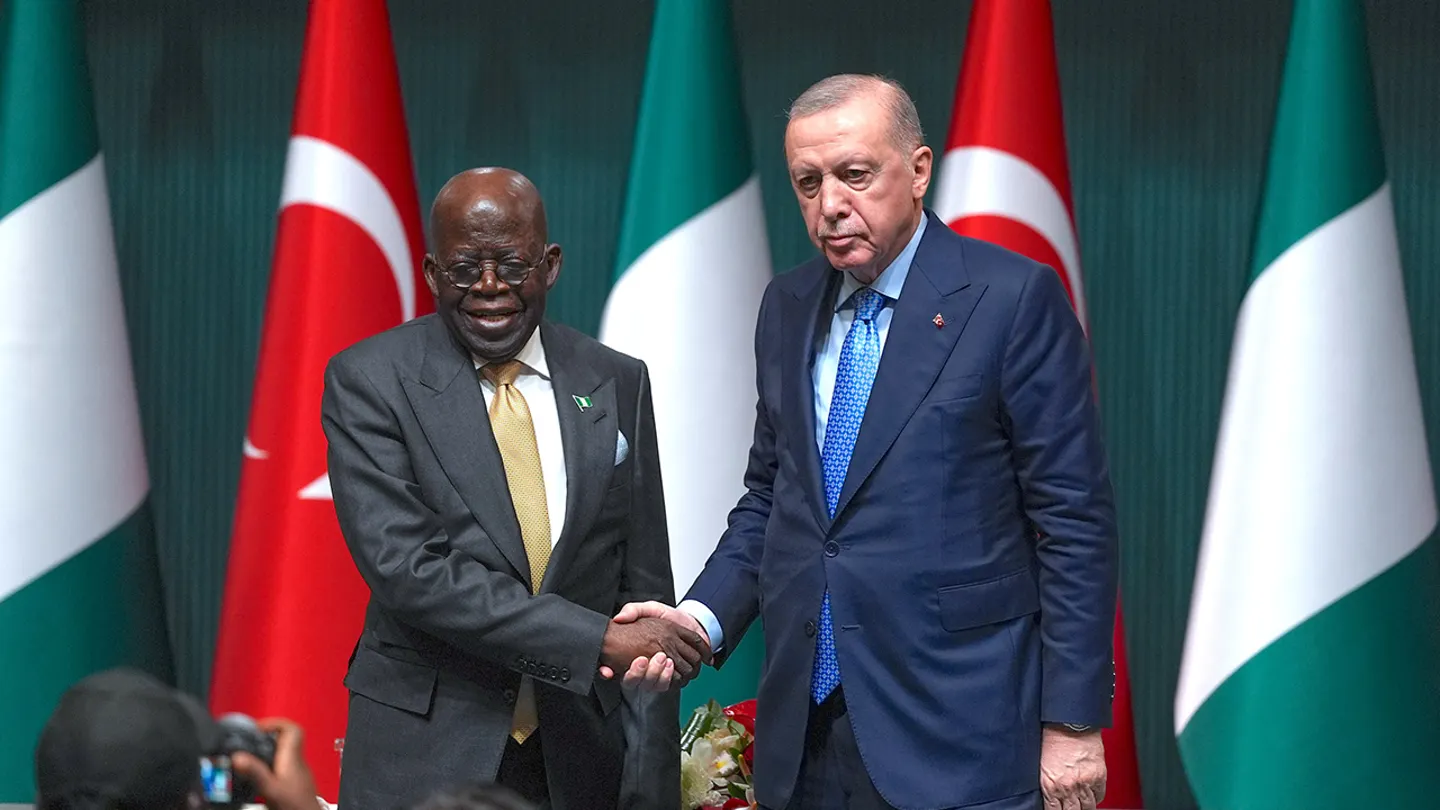
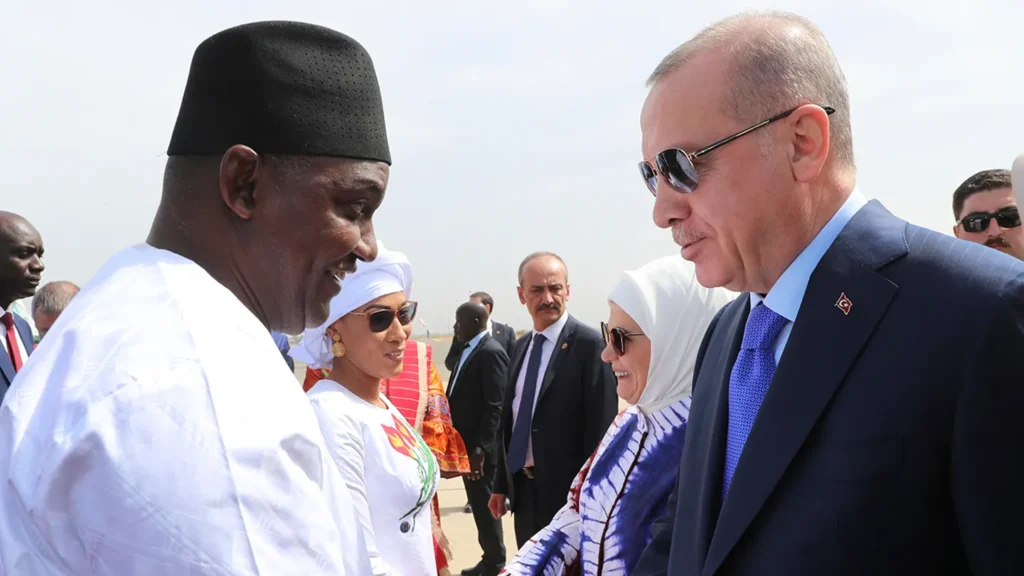
Over the past two decades, Recep Tayyip Erdogan has overseen a sharp increase in Turkey’s engagement with African nations. From defense partnerships and drone sales to trade agreements and expanded diplomatic missions, Ankara has positioned itself as a significant player in regions traditionally influenced by Western powers.
Expanding Military Presence Across Conflict Zones
Observers say Turkey Influence in Africa has been particularly visible in conflict affected areas such as Sudan, Ethiopia and Somalia.
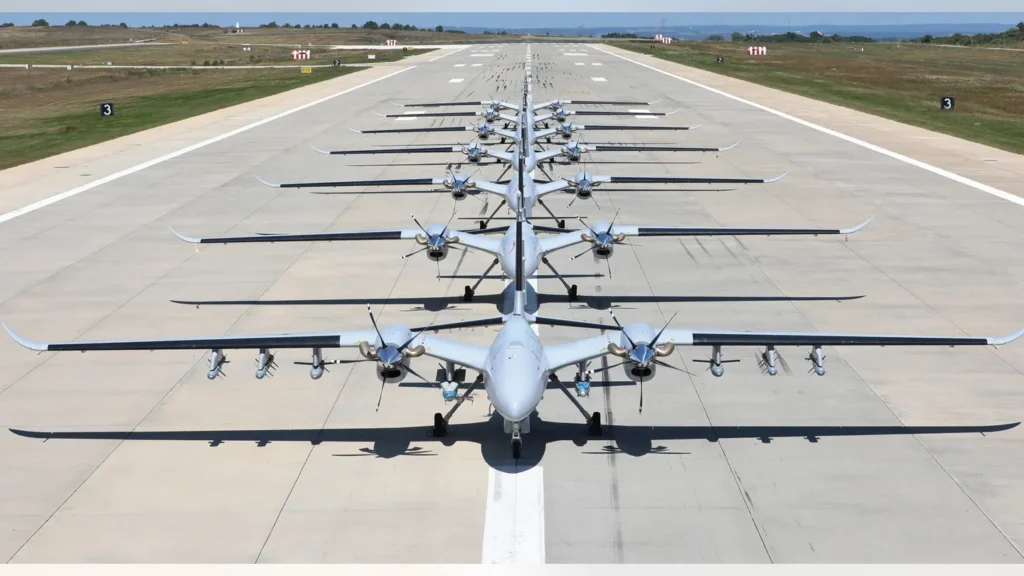
Analysts argue that Turkish military equipment, especially drones, has become widely used across the continent. Reports indicate that Turkish manufactured drones have been supplied to parties involved in Sudan’s ongoing conflict.
According to research published by the Foundation for Defense of Democracies, arms transfers from Turkish companies have increased Ankara’s leverage in politically unstable regions.
The widely known Bayraktar TB2 drone, produced by Turkish defense manufacturer Baykar, has been described as a cost effective alternative to Western systems. Analysts note that affordability and fewer political conditions attached to sales make Turkish equipment attractive to governments and armed groups.
However, critics argue that Turkey Influence in Africa through arms exports may prolong conflicts in fragile states, potentially undermining broader international stabilization efforts.
Strategic Impact on US Interests
The expansion of Turkey Influence in Africa is seen by some analysts as conflicting with US policy goals.
The U.S. Department of State has previously emphasized efforts to limit external military support to warring factions in Sudan. Analysts argue that continued weapons sales by foreign actors risk fueling violence rather than resolving it.
Security experts suggest Ankara’s approach prioritizes access and influence over alignment with Western conflict mitigation strategies.
Additionally, Turkey’s increasing diplomatic activity, including defense cooperation agreements and military training missions, may shift power balances in regions where the United States has historically maintained influence.
Trade and Economic Expansion
Beyond military engagement, Turkey Influence in Africa is evident in trade growth and commercial expansion.
President Erdogan stated that trade volume between Turkey and African countries rose from $5.4 billion in 2003 to $41 billion in 2024.
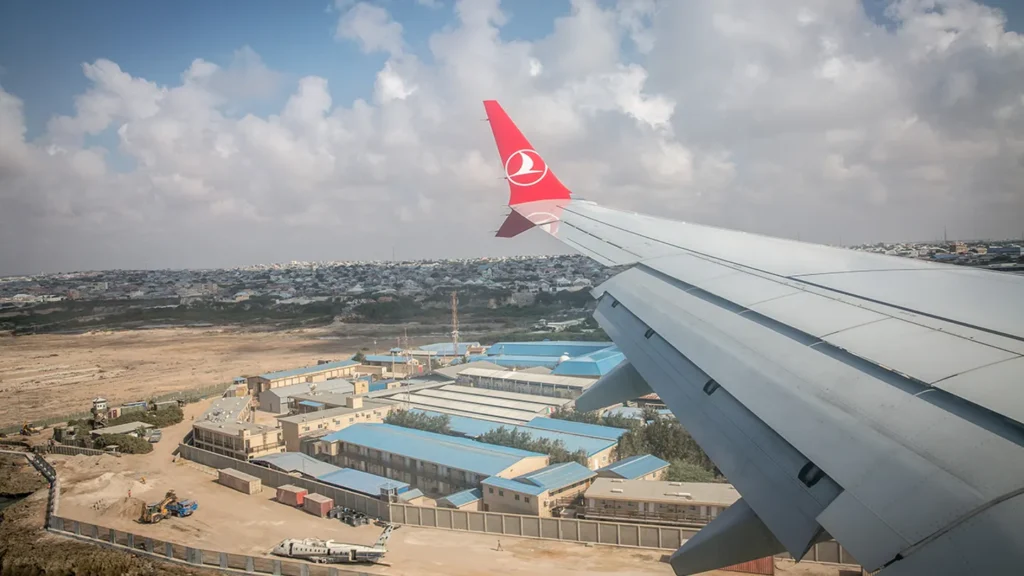
State backed carrier Turkish Airlines now flies to 64 destinations across Africa. Analysts say the airline’s expansion serves as a gateway for Turkish businesses, strengthening economic ties and diplomatic access.
Turkey also expanded its diplomatic footprint significantly. The number of Turkish embassies in Africa increased from 12 in 2002 to 44 today, reflecting Ankara’s long term engagement strategy.
Geopolitical and Historical Dimensions
Some analysts describe Turkey Influence in Africa as part of a broader geopolitical vision.
Certain policy experts argue that Ankara seeks to expand its presence in regions historically connected to the Ottoman Empire. They suggest that Turkey’s outreach blends economic cooperation, cultural engagement and security partnerships to build long term alliances.
However, Turkish officials maintain that their engagement is based on mutual economic benefit and partnership rather than ideological expansion.
Competition in the Sahel and Horn of Africa
Turkey Influence in Africa has also been visible in the Sahel and the Horn of Africa, regions facing insurgencies and extremist threats.
Security cooperation agreements between Turkey and African governments have included training, infrastructure support and military base access.
For Washington, analysts say the concern lies not only in arms sales but also in shifting alliances. As global powers compete for influence across Africa, Ankara’s low cost and low condition engagement model may appeal to governments seeking alternatives to Western partners.
Balancing Influence and Stability
While critics warn that Turkey Influence in Africa may undermine US objectives related to stability and conflict resolution, others argue that Ankara’s involvement reflects a broader diversification of partnerships across the continent.
African governments increasingly seek multiple international partners to reduce dependency on any single global power.
The strategic implications for the United States will likely depend on how Turkey’s expanding footprint interacts with existing US security and development programs.
What Comes Next
Turkey Influence in Africa continues to grow through defense exports, trade expansion and diplomatic outreach.
Analysts suggest that Washington may need to reassess its engagement strategies to remain competitive while maintaining commitments to conflict mitigation and regional stability.
As Africa becomes an increasingly contested geopolitical arena, Ankara’s expanding role signals a shift in global power dynamics that could shape international relations for years to come.
For more news, please visit our homepage