 0
0
 0
0
Iran protests remain fragile
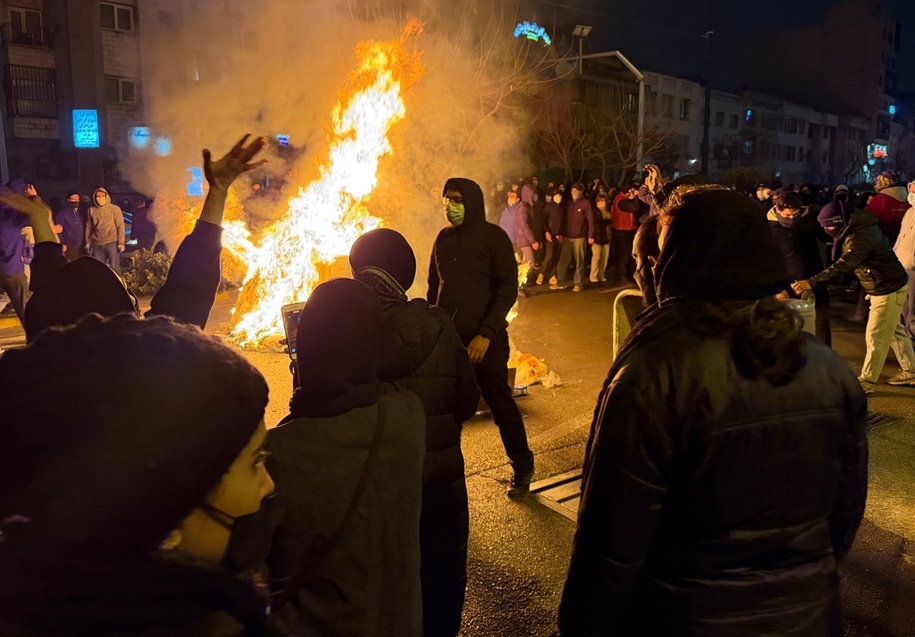
Iran is facing one of the most serious protest movements in its recent history. Millions of citizens have taken to the streets to oppose a government they accuse of repression, corruption, and economic failure.
Security forces have responded with arrests, violence, and deadly force. Rights groups report thousands of deaths and widespread detentions. The unrest is being driven by internal anger, not foreign pressure.
Trump’s public warnings draw attention
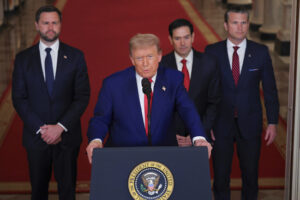
During the protests, former US President Donald Trump issued several public warnings to Iran’s leadership. He threatened strong action if violence against protesters continued.
Trump also addressed Iranian protesters directly, saying help was coming. After Iran delayed at least one reported execution, Trump claimed his statements had saved lives.
He later suggested the situation showed the success of his approach.
Critics warn of unintended consequences
Foreign policy analysts warn that public threats may put protesters at risk. They say US military pressure could help Iran’s government shift blame onto foreign enemies.
Experts argue that external intervention often strengthens hardline regimes. It can also allow leaders to portray protesters as foreign-backed actors.
According to analysts, Iran’s leadership relies on domestic security forces to maintain control. Military strikes would not weaken that structure.
Regional restraint contrasts with US rhetoric
Israel, which has previously targeted Iranian interests, has remained cautious during the protests. Former Israeli security officials have said outside intervention could disrupt internal pressure on Iran’s leaders.
They believe silence reduces the chance of giving the government a reason to unite the public against an external threat.
Temporary calm does not mean change
Reports suggest protest activity has slowed in some areas. Trump has described this as proof of success.
However, analysts say fewer killings do not signal reform or political change. They argue the core power structure remains intact.
Some experts warn that strong rhetoric followed by self-declared victories may leave protesters more vulnerable and isolated.
Lessons from past interventions
Observers point to past US actions in countries like Venezuela. In those cases, strong statements did not lead to meaningful political change.
They say dramatic messaging often creates headlines without improving conditions on the ground.
A cautious approach urged
Many analysts believe careful diplomacy and limited public statements are more effective during internal uprisings. They argue that restraint avoids escalating violence or undermining protest movements.
As Iran’s unrest continues, experts say outside leaders must weigh their words carefully. The consequences may fall on those already risking their lives.