 0
0
 0
0
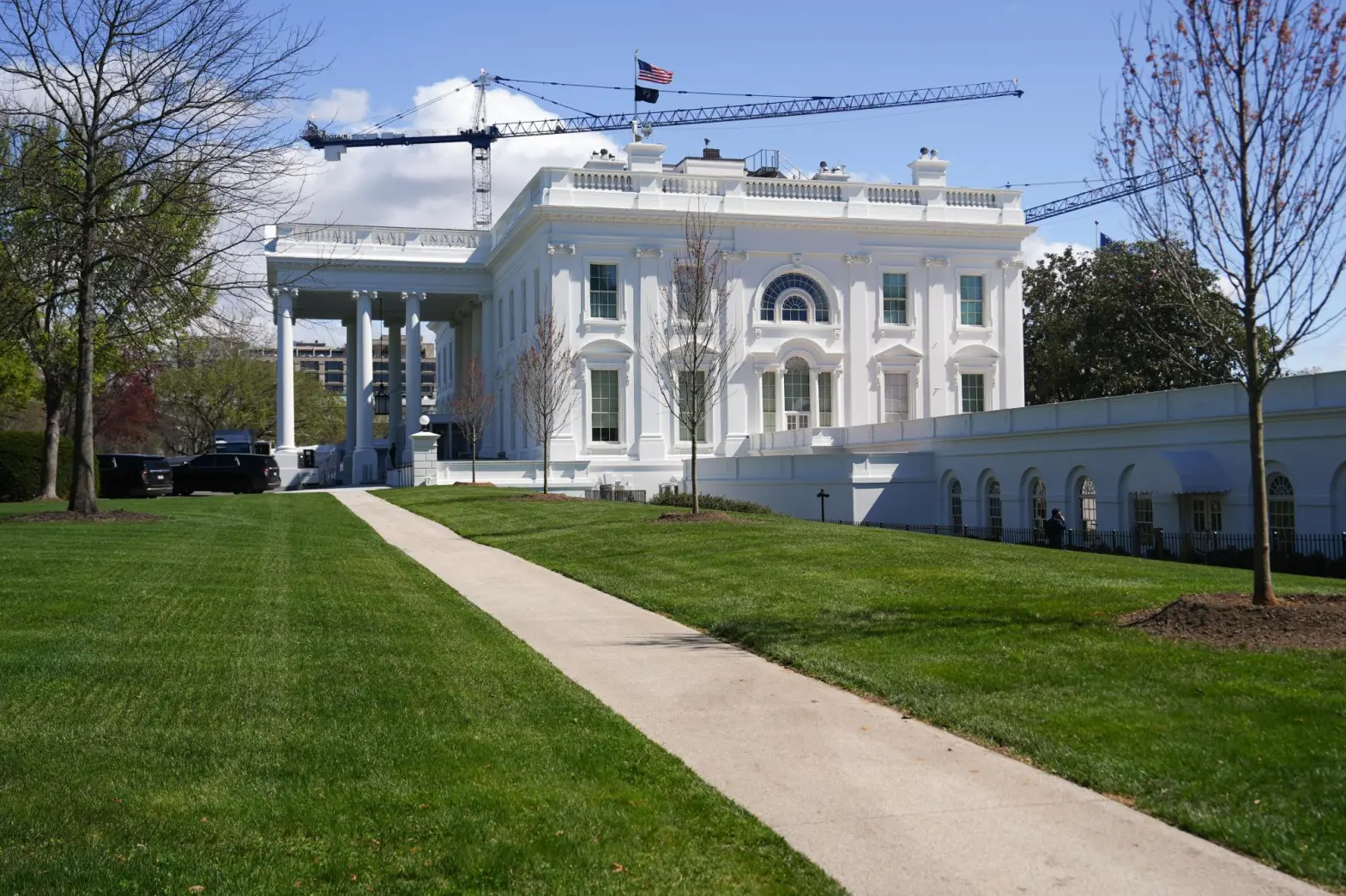
The Trump White House ballroom project halted 2026 decision has placed a major presidential construction plan on hold after a federal judge blocked further work on a proposed $400 million ballroom at the White House.
The ruling marks a significant legal development in an ongoing dispute over executive authority, historic preservation, and the future of one of the most iconic government buildings in the United States.
Federal Judge Blocks Ballroom Construction
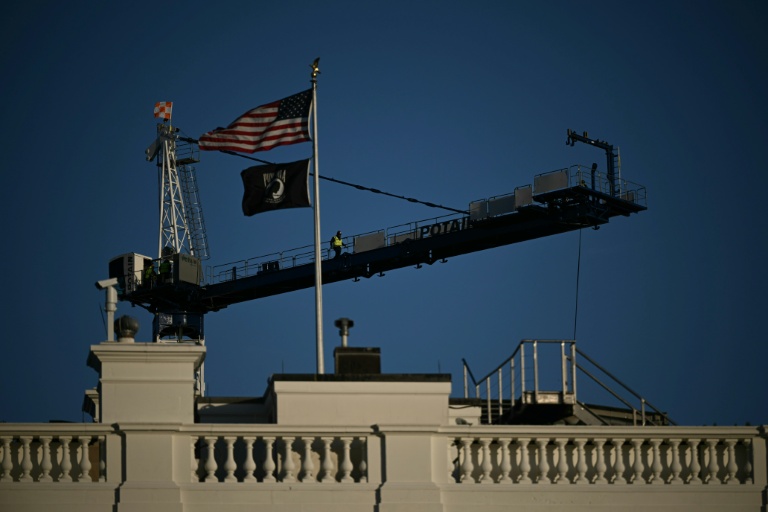
A U.S. District Court judge issued a preliminary injunction stopping construction on the White House ballroom project. The decision temporarily halts all work while the broader legal case continues.
The lawsuit was filed by a nonprofit preservation organization, which argued that the demolition of the East Wing and subsequent construction plans exceeded presidential authority.
Key Points of the Court Ruling
- Construction of the 90,000-square-foot ballroom is paused
- The injunction remains in effect during ongoing litigation
- The court questioned the legal basis for bypassing congressional approval
The Trump White House ballroom project halted 2026 outcome represents a legal setback for the administration’s efforts to move forward with the ambitious redesign.
Why the Judge Intervened
The court emphasized the symbolic and historical significance of the White House grounds. The judge described the site as a “special place” and raised concerns about whether proper procedures were followed.
Legal arguments centered on whether:
- The president had authority to demolish a historic structure
- Congressional approval was required
- Federal agencies acted within their legal limits
Background: Demolition of the East Wing
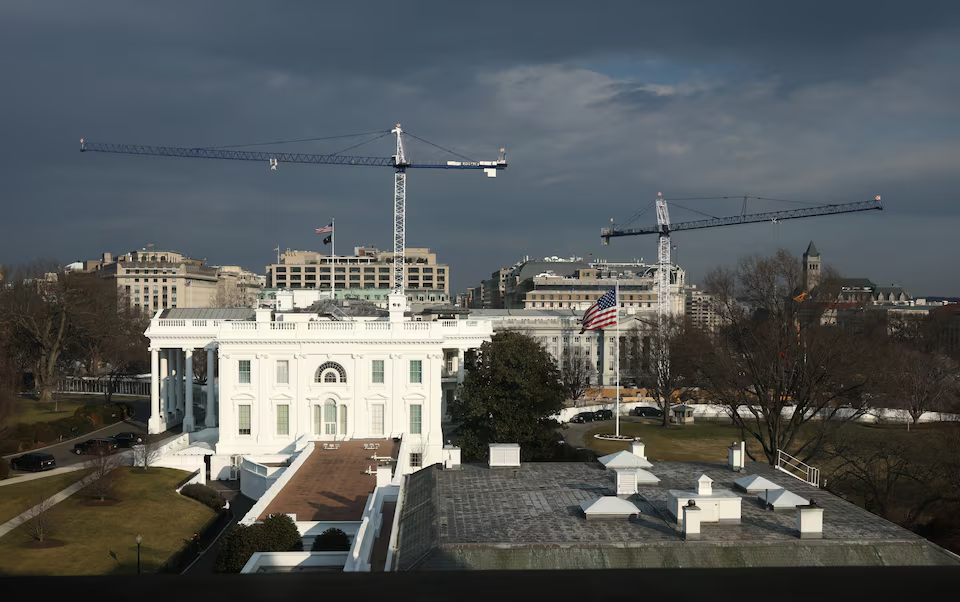
The dispute stems from the demolition of the White House East Wing, a structure originally built in 1902 and later expanded during the 20th century.
The East Wing historically housed offices and served ceremonial purposes. Its removal sparked debate among historians, preservationists, and policymakers.
Timeline of Events
Initial Demolition
The East Wing was demolished as part of plans to modernize the White House complex. The administration presented the move as necessary for infrastructure upgrades.
Lawsuit Filed
In December, a preservation group filed a lawsuit challenging the demolition and proposed ballroom construction.
Court Hearing and Injunction
During a March hearing, the judge scrutinized government lawyers’ arguments, ultimately granting the injunction that led to the Trump White House ballroom project halted 2026 decision.
Legal Arguments from Both Sides
The case highlights a broader debate over executive power and the preservation of national landmarks.
Arguments Against the Project
Opponents argue that:
- The demolition of the East Wing violated preservation laws
- Major structural changes require congressional approval
- The project undermines historical integrity
They maintain that allowing such actions could set a precedent for future alterations to protected sites.
Government’s Defense
The administration has defended the project as a modernization effort aimed at improving functionality.
Officials argue that:
- The ballroom would enhance the White House’s ability to host large events
- Existing facilities often rely on temporary structures
- The project is funded by private donors, not taxpayers
Despite these arguments, the Trump White House ballroom project halted 2026 ruling suggests the court found sufficient legal concerns to pause construction.
Features of the Proposed Ballroom
The planned ballroom was intended to be one of the most significant additions to the White House in decades.
Design and Capacity
- Approximately 90,000 square feet in size
- Designed to host large-scale state events and ceremonies
- Intended to reduce reliance on outdoor tents
Funding Structure
One notable aspect of the project is its funding model:
- Fully financed by private donors
- No direct cost to taxpayers
- Promoted as a legacy project
Broader Vision for White House Changes
The ballroom is part of a wider plan to reshape the White House complex and surrounding areas.
Additional proposals have reportedly included:
- New architectural features
- Changes to nearby cultural landmarks
- Efforts to modernize infrastructure
Impact of the Court Decision
The Trump White House ballroom project halted 2026 ruling has immediate and long-term implications.
Immediate Effects
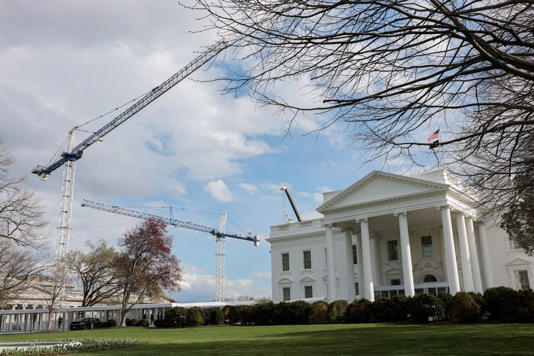
- Construction activity has stopped
- Contractors and workers are affected
- Project timelines are uncertain
Long-Term Implications
The outcome of the lawsuit could influence:
- Future presidential construction projects
- Interpretation of executive authority
- Preservation policies for historic sites
The case may also establish clearer guidelines on how federal properties can be modified.
Political and Public Reactions
The decision has generated mixed reactions across political and public spheres.
Support for the Ruling
Preservation advocates and some lawmakers welcomed the decision, arguing it protects historical landmarks and ensures legal accountability.
Criticism of the Injunction
Supporters of the project view the ruling as an unnecessary delay, emphasizing the potential benefits of modernization and improved event hosting capacity.
Historical Significance of the White House Grounds
The White House is not only a working government building but also a symbol of national identity and history.
Major changes to its structure often attract intense scrutiny due to:
- Its cultural importance
- Its role in national ceremonies
- Its historical legacy spanning over two centuries
The Trump White House ballroom project halted 2026 case reflects the ongoing tension between modernization and preservation.
What Happens Next?
The legal battle is far from over, and several outcomes are possible.
Possible Scenarios
- The court could permanently block the project
- The administration could seek congressional approval
- A revised proposal could emerge
Appeals may also be filed, potentially extending the case for months or longer.
Ongoing Legal Proceedings
The lawsuit will continue in court, where both sides will present further arguments. The final decision will determine whether the ballroom project can proceed.
FAQ
Why was the Trump White House ballroom project halted in 2026?
The project was halted after a federal judge issued an injunction, citing legal concerns over authority and lack of congressional approval.
What was planned for the White House ballroom project?
The proposal included a $400 million, 90,000-square-foot ballroom designed to host large events and modernize facilities.
Who challenged the White House ballroom construction?
A nonprofit preservation organization filed a lawsuit arguing the demolition and construction violated legal and historical protections.
Is the White House ballroom project permanently canceled?
No, the project is temporarily halted while the court case continues. A final decision has not yet been made.
Conclusion
The Trump White House ballroom project halted 2026 ruling highlights a complex intersection of law, history, and executive power. While the proposed ballroom aims to modernize the White House, the legal challenge underscores the importance of preserving national landmarks and adhering to established procedures. The final outcome of the case will likely shape how future administrations approach changes to historically significant sites.
PLEASE CLICK HERE FOR MORE NEWS