 0
0
 0
0
Trump no ceasefire Iran war 2026 has become a major global headline after Donald Trump publicly rejected calls for a truce in the ongoing conflict involving Iran.
Speaking at the White House, Trump stated that a ceasefire was not appropriate given the current military situation, signaling a continuation of hostilities in the region.
Trump Rejects Ceasefire Calls
“No Ceasefire” Position Explained
During remarks to reporters, Donald Trump made his stance clear:
-
He does not support a ceasefire at this stage
-
He believes military momentum should continue
-
He emphasized achieving “victory” alongside allies
His statement that ceasefires are not pursued when one side is “dominating” reflects a strategic position focused on outcomes rather than negotiations.
Alignment With Israel
Trump indicated that the United States and Israel share similar objectives in the conflict.
-
Both nations are seeking a decisive outcome
-
Coordination between the two remains strong
-
Any potential end to the conflict would likely be aligned
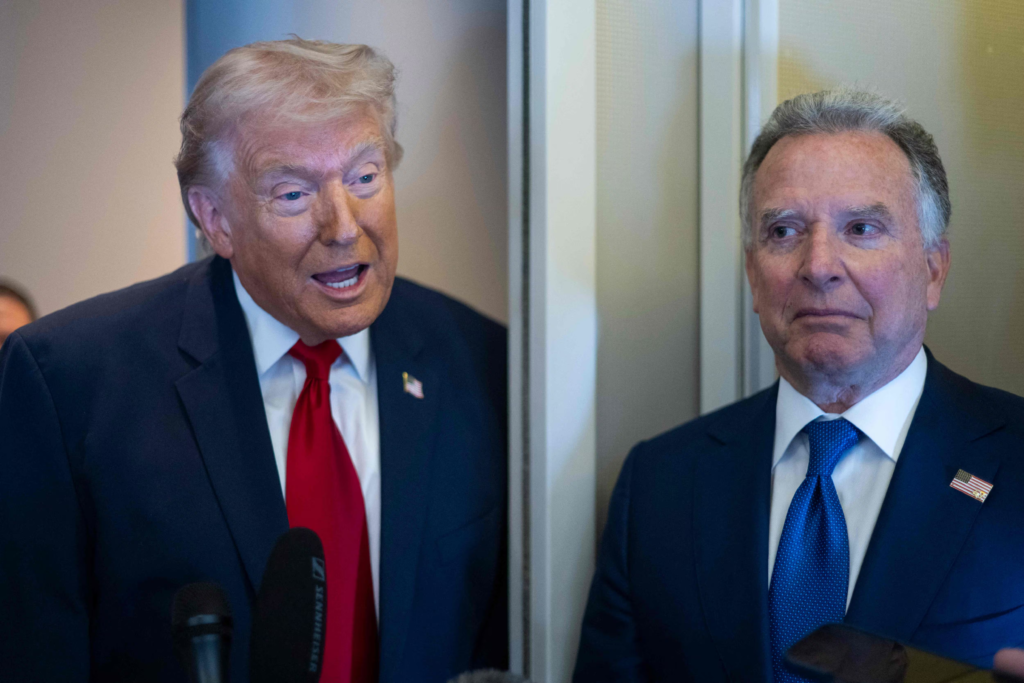
Donald Trump rejects ceasefire calls amid escalating Iran conflict
Rising Tensions With Iran
Escalation Since February 2026
The Trump no ceasefire Iran war 2026 stance comes amid intensified conflict that began in late February.
-
Joint US-Israeli strikes targeted Iranian positions
-
Senior Iranian figures were reportedly killed
-
Civilian casualties have also been reported
In response, Iran has launched:
-
Missile attacks
-
Drone strikes targeting Israel and US-linked assets
Iran Rejects Negotiations
Iranian officials have also pushed back against ceasefire discussions.
Abbas Araghchi stated that:
-
The US bears responsibility for the conflict
-
Iran is not currently open to ceasefire talks
-
Regional consequences are expanding
Strait of Hormuz and Global Impact
Strategic Waterway Under Threat
The Strait of Hormuz has become a focal point in the conflict.
-
Iran’s Revolutionary Guard announced restrictions on vessel movement
-
The strait is vital for global oil transportation
-
Disruptions could affect international energy markets
Trump Downplays US Dependence
Despite concerns, Donald Trump suggested that the United States is less reliant on the strait compared to other regions.
He pointed out that:
-
Europe depends heavily on the route
-
Countries like Japan, China, and South Korea rely on it
-
These nations may need to take a more active role
International Response and Criticism
Global Reactions
The Trump no ceasefire Iran war 2026 position has drawn mixed reactions globally:
-
Some countries have declined to assist in reopening the Strait of Hormuz
-
Critics argue the conflict escalated without broad consultation
-
Diplomatic tensions are rising across multiple regions
Humanitarian Concerns
Reports indicate significant human impact from the conflict:
-
Hundreds of casualties, including civilians
-
Infrastructure damage in affected areas
-
Growing concern from international observers
Key Takeaways
-
Trump no ceasefire Iran war 2026 reflects a firm stance against immediate truce
-
The US and Israel appear aligned on military objectives
-
Iran has also rejected ceasefire discussions
-
The Strait of Hormuz remains a critical global concern
-
International reactions highlight growing geopolitical tensions
FAQs
Why did Trump reject a ceasefire in 2026?
He stated that ceasefires are not appropriate when one side is gaining a military advantage.
Is Iran open to ceasefire talks?
No, Iranian officials have also rejected ceasefire discussions at this stage.
Why is the Strait of Hormuz important?
It is a key global oil shipping route, making it critical for energy supply worldwide.
How has the international community reacted?
Reactions have been mixed, with some countries declining involvement and others expressing concern over escalation.
Conclusion
The Trump no ceasefire Iran war 2026 stance highlights the escalating nature of the conflict and the challenges facing diplomatic resolution. With both sides showing limited willingness to negotiate, the situation continues to evolve, raising concerns about regional stability and global economic impact.
PLEASE CLICK HERE FOR MORE NEWS