


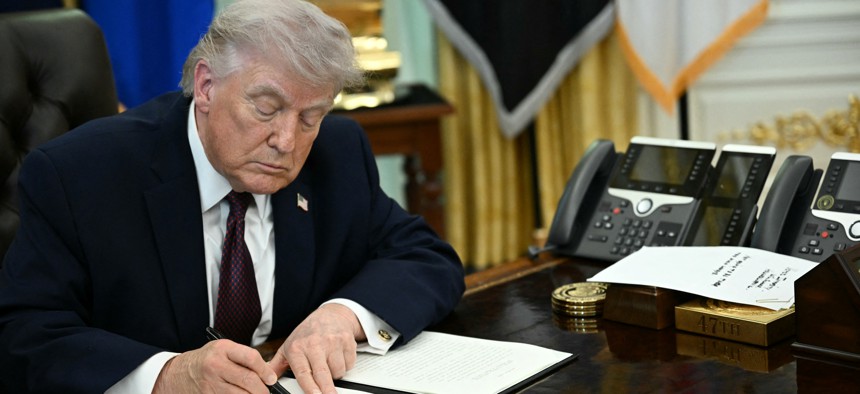
Trump mail-in voting executive order 2026 has triggered widespread debate across the United States after Donald Trump signed a sweeping directive aimed at tightening voter eligibility rules and restricting aspects of mail-in voting.
The executive order, introduced months before key midterm elections, outlines new measures for voter verification and ballot distribution. However, it has already faced strong opposition from multiple states, election officials, and legal experts who question its constitutionality and potential impact on voters.

Key Provisions of the Executive Order
The Trump mail-in voting executive order 2026 introduces several significant changes to how elections may be administered, particularly regarding absentee and mail-in ballots.
Creation of a Federal Voter Eligibility List
One of the most notable aspects of the order is the directive for federal agencies to compile a nationwide voter eligibility list.
Agencies Involved
The order instructs coordination between:
- Department of Homeland Security
- Social Security Administration
These agencies are tasked with identifying U.S. citizens who will be at least 18 years old by the next federal election.
Purpose of the List
The administration argues the list will:
- Improve voter verification
- Reduce potential fraud
- Standardize eligibility checks across states
However, critics warn it could centralize control over voter data in ways not previously practiced in U.S. elections.
Restrictions on Mail-In Ballots
The Trump mail-in voting executive order 2026 also targets how mail-in ballots are distributed.
New USPS Rules
Under the directive:
- The United States Postal Service cannot send ballots automatically to individuals not registered for absentee voting
- Ballots must be placed in secure envelopes
- Each ballot must include a trackable barcode
These changes directly affect states that previously mailed ballots automatically to voters.
States Most Affected
The order impacts jurisdictions where mail voting is widely used, including:
- California
- Colorado
- Oregon
- Washington
- Nevada
- Hawaii
- Vermont
- Utah
- Washington, D.C.
These regions have systems where ballots are sent without requiring a formal request from voters.

Enforcement Measures and Legal Authority
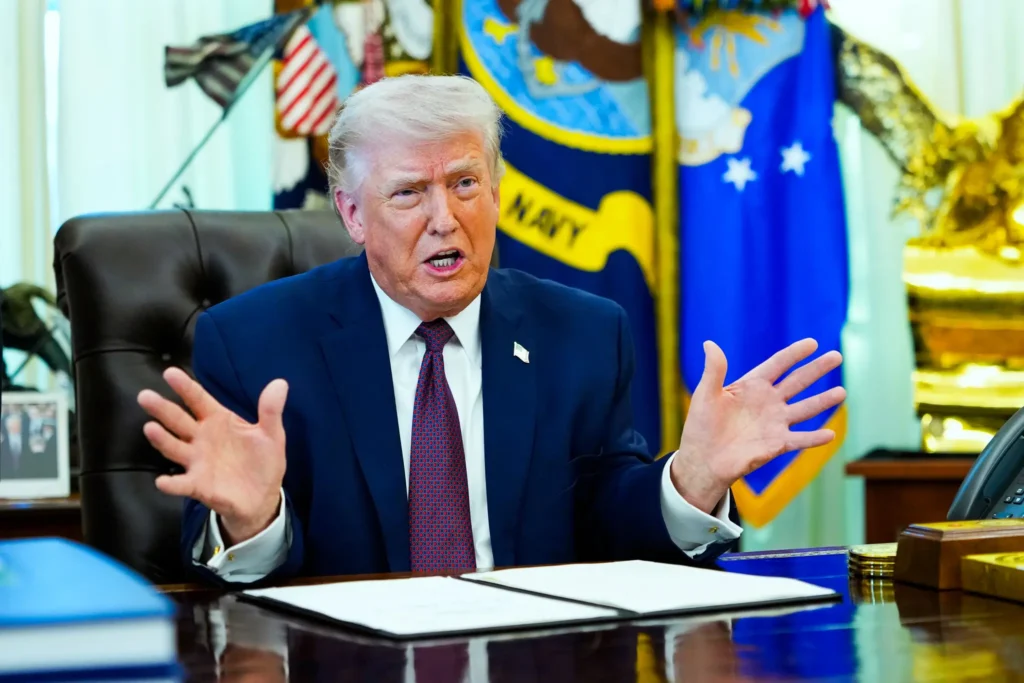
The Trump mail-in voting executive order 2026 includes enforcement mechanisms that could significantly alter federal-state relations.
Role of the Attorney General
The order authorizes Pam Bondi to:
- Investigate states suspected of distributing ballots to ineligible voters
- Initiate legal action against local officials
- Enforce compliance with federal guidelines
Threat of Funding Cuts
Another provision allows the federal government to:
- Withhold funding from noncompliant states
- Pressure local authorities to adopt the new rules
This aspect has raised concerns about federal overreach into state-controlled election systems.
Immediate Backlash from States
The Trump mail-in voting executive order 2026 has been met with swift and strong criticism from several state officials.
State Leaders Speak Out
Election officials across the country have described the order in critical terms:
- “Unconstitutional”
- “Illegal power grab”
- “Federal overreach”
These reactions highlight tensions between federal authority and states’ constitutional role in managing elections.
Key Reactions
Arizona
Adrian Fontes stated that:
- Mail-in voting serves a large majority of voters in the state
- The order misunderstands how election systems function
Oregon
Tobias Read emphasized that:
- The state votes almost entirely by mail
- Legal action is likely
Maine
Shenna Bellows indicated that:
- The state would not comply without legal review
- Mail voting remains widely used by residents
Nevada
Francisco Aguilar criticized the move as:
- Creating confusion during an election year
- Addressing a problem that does not exist

Legal Challenges and Constitutional Debate
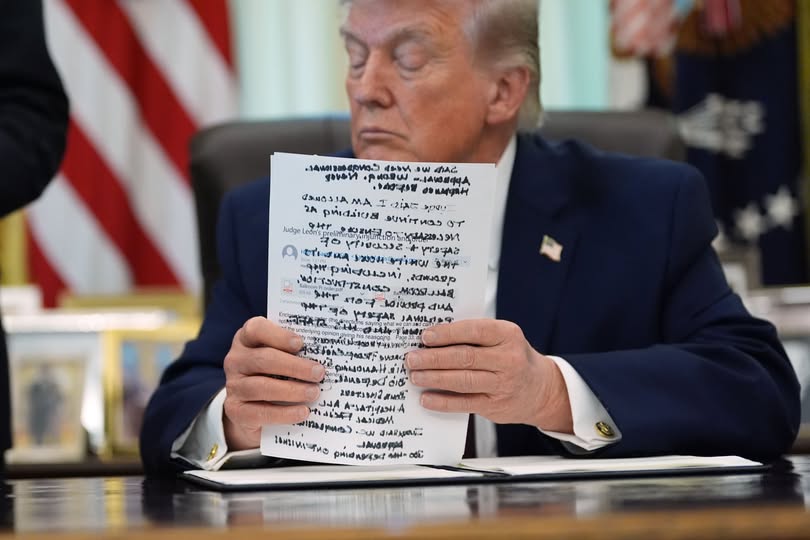
The Trump mail-in voting executive order 2026 is expected to face multiple legal challenges.
Constitutional Questions
Legal experts point to several concerns:
- The U.S. Constitution grants states primary authority over elections
- Federal intervention may exceed executive powers
- Past court rulings have limited similar actions
Planned Lawsuits
Legal advocates and organizations are preparing to challenge the order in court.
Legal Opposition
Marc Elias has stated intentions to:
- File lawsuits against the directive
- Argue that it could disenfranchise voters
Expert Opinions
Some analysts suggest that parts of the order may be blocked, similar to previous attempts to alter election systems through executive action.
Background: Mail-In Voting in the United States
Understanding the Trump mail-in voting executive order 2026 requires context on how mail voting works.
Growth of Mail Voting
Mail-in voting has expanded significantly in recent years due to:
- Increased voter convenience
- Health concerns during past elections
- State-level policy changes
Security and Fraud Claims
While concerns about voter fraud are frequently raised:
- Studies have generally found low rates of fraud
- Election systems include verification processes
- States use signature checks and tracking systems
The debate continues, with differing perspectives on risks and safeguards.
Political Context Ahead of Midterm Elections
The Trump mail-in voting executive order 2026 arrives at a politically sensitive moment.
Timing of the Order
The directive comes just months before:
- Congressional midterm elections
- Increased political campaigning
- Heightened scrutiny of election processes
Legislative Efforts
The administration has also pushed for additional reforms, including:
- Stricter voter ID requirements
- Proof of citizenship for registration
Some of these proposals have passed in the House but face challenges in the Senate.
FAQ
What is the Trump mail-in voting executive order 2026?
It is a directive signed by Donald Trump introducing new rules for voter eligibility and restricting aspects of mail-in voting.
Why are states opposing the order?
States argue it interferes with their constitutional authority to manage elections and could limit voter access.
Which states are most affected by the changes?
States that automatically send mail-in ballots, such as Oregon, California, and Washington, are most impacted.
Will the order be implemented immediately?
Legal challenges are expected, which could delay or block parts of the order.
Conclusion
The Trump mail-in voting executive order 2026 has quickly become a focal point in the ongoing debate over election administration in the United States. While the administration argues the measures will enhance election integrity, critics see them as an overreach of federal authority. As legal battles unfold, the outcome will likely shape how elections are conducted in the near future.


