


The Trump Iran war negotiation meltdown has drawn widespread attention after former U.S. President Donald Trump reacted strongly to criticism surrounding his handling of ongoing efforts to negotiate an end to the conflict involving Iran. His late-night remarks, shared on his social media platform, highlighted growing political tensions over the direction of the war and diplomatic strategy.
The situation reflects increasing pressure on Trump from political opponents and commentators who have questioned his approach to managing international negotiations and military escalation.
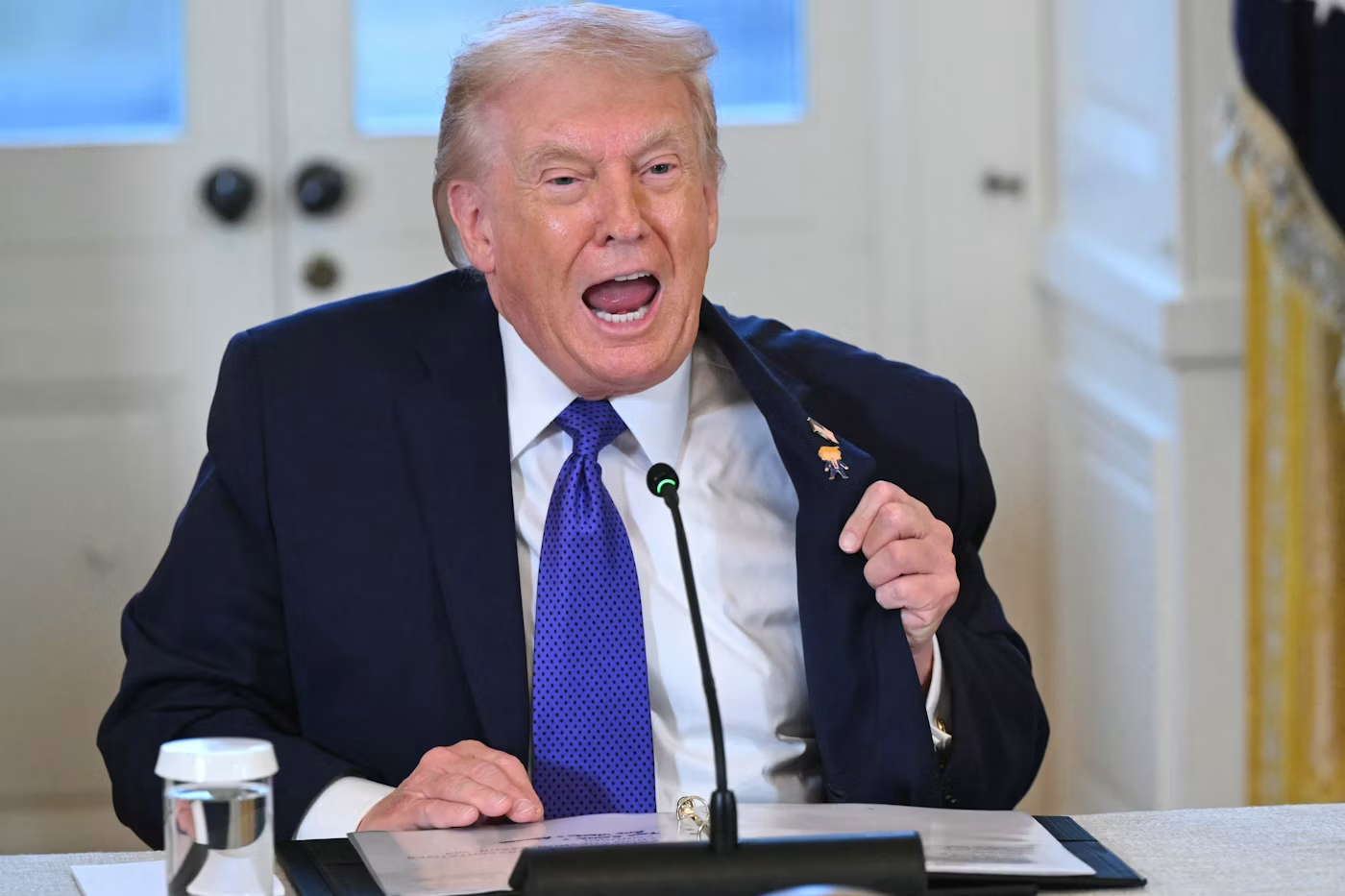

Trump Responds to Critics Over Iran War Negotiations
Donald Trump issued a series of statements defending his position on the Iran conflict and urging critics to stop interfering in what he described as sensitive diplomatic efforts.
He claimed that political opponents were making it harder to negotiate a peaceful resolution.
Trump Calls Out “Unpatriotic Republicans” and Democrats
In his comments, Trump directed criticism toward both parties, stating that:
- Democrats were undermining negotiation efforts
- Some Republicans were acting against national interests
- Political commentary was slowing down diplomatic progress
He described these critics as “chirping” voices who were disrupting attempts to reach a deal.
Claims About Negotiation Difficulties
Trump suggested that:
- Negotiations with Iran were ongoing
- A potential agreement could benefit the United States
- Political pressure was interfering with progress
These remarks added to ongoing debate about the effectiveness of his foreign policy strategy.
Background to the Iran Conflict and Diplomatic Efforts
The Trump Iran war negotiation meltdown comes amid reports of continued tensions between the United States and Iran, alongside broader regional instability involving allied nations.
Ongoing Efforts to Reach a Settlement
According to political commentary and reports, diplomatic discussions have included:
- Attempts to establish ceasefire conditions
- Negotiations involving regional allies
- Discussions around military de-escalation
Challenges in the Negotiation Process
Several issues have complicated the process:
- Conflicting demands between involved parties
- Continued military activity in the region
- Pressure from international stakeholders
Internal Political Pressure in the United States
Trump’s remarks also reflect growing political divisions within the United States regarding foreign policy decisions.
Division Within Political Parties
The situation has revealed disagreements over:
- Whether the war should continue or end quickly
- The best strategy for negotiating with Iran
- The role of military action in diplomacy
Rising Public Debate
Public and political discourse has intensified around:
- The cost of ongoing conflict
- Global economic impact of instability
- The effectiveness of current leadership decisions
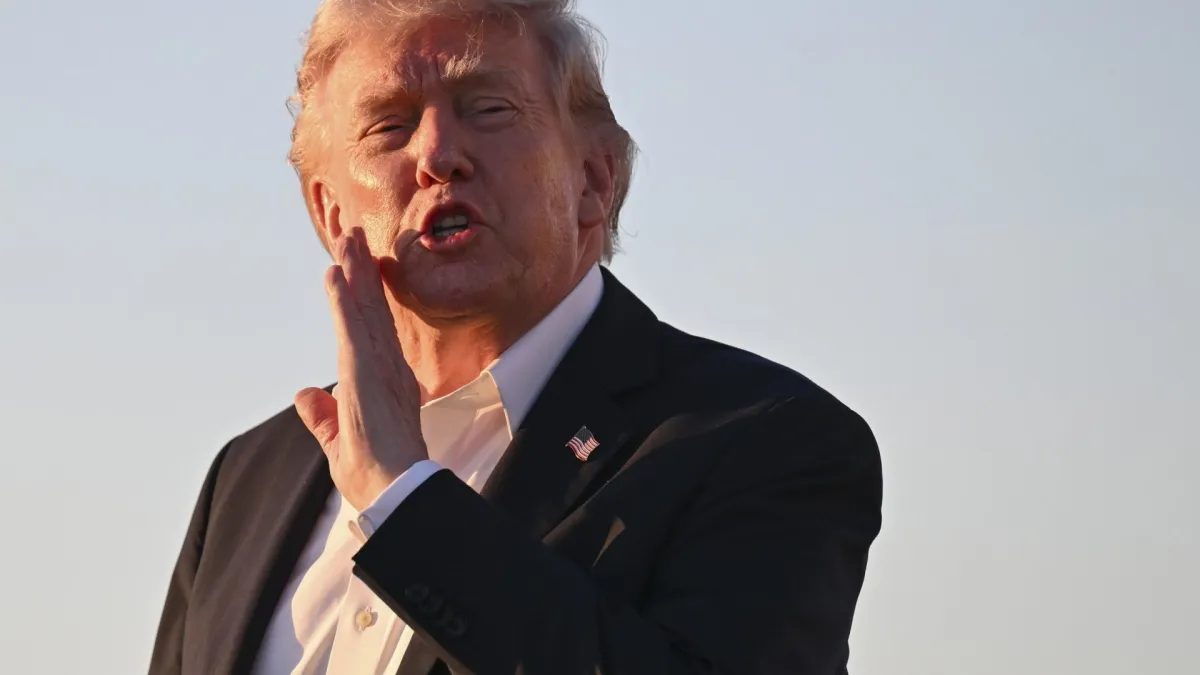

Trump’s Social Media Statement and Public Reaction
A key moment in the Trump Iran war negotiation meltdown was his post on Truth Social, where he addressed critics directly and defended his approach.
Key Points From His Statement
Trump emphasized that:
- Iran “really wants to make a deal”
- A potential agreement would benefit the United States
- Critics were making negotiations more difficult
He also urged opponents to “sit back and relax,” insisting that the situation would resolve positively.
Reaction to the Comments
Reactions have been divided:
- Supporters argue he is under unfair political pressure
- Critics say his comments reflect frustration with stalled diplomacy
- Analysts highlight the complexity of the ongoing conflict
Regional Impact of the Iran Conflict
The broader conflict linked to the Trump Iran war negotiation meltdown continues to have regional and global implications.
Economic and Security Concerns
The situation has contributed to:
- Increased instability in parts of the Middle East
- Concerns over global energy markets
- Heightened security alerts in affected regions
Role of Allied Nations
International actors continue to influence the situation through:
- Diplomatic mediation efforts
- Military presence in strategic areas
- Economic sanctions and negotiations
Media and Political Commentary Surrounding the Crisis
The political response to Trump’s statements has fueled ongoing media coverage and debate.
Polarized Interpretations
Coverage of the situation generally falls into two categories:
- Those who view the remarks as political frustration under pressure
- Those who see them as part of a broader diplomatic struggle
Continued Scrutiny of Foreign Policy
Observers continue to analyze:
- The effectiveness of negotiation strategies
- The role of leadership communication
- The impact of political criticism on diplomacy

FAQ
What is the Trump Iran war negotiation meltdown about?
It refers to Donald Trump’s response to criticism over his handling of ongoing negotiations aimed at resolving the Iran conflict.
Why did Trump criticize Republicans and Democrats?
He accused political opponents from both parties of interfering with diplomatic efforts and making negotiations more difficult.
What did Trump say about Iran?
Trump claimed that Iran is interested in making a deal that could benefit the United States if negotiations succeed.
How has the public reacted to Trump’s comments?
Reactions are mixed, with supporters defending him and critics questioning his approach to diplomacy.
Conclusion
The Trump Iran war negotiation meltdown highlights the growing political tension surrounding U.S. foreign policy and ongoing efforts to resolve international conflict. As debates continue over strategy and leadership, the situation remains complex, with diplomatic outcomes still uncertain and heavily influenced by political pressure at home and abroad.
Click here for more news


