 0
0
 0
0
Trump Iran energy threats 2026 have sharply escalated tensions in the Middle East after US President Donald Trump issued a stark ultimatum to Iran: reopen the Strait of Hormuz fully within 48 hours or face destruction of key Iranian power plants. Tehran has responded by threatening US energy, IT, and desalination infrastructure in the Gulf, creating a high-stakes standoff with implications for global energy security.
Iran Strikes Back Against US Ultimatum
Iranian President Masoud Pezeshkian dismissed Trump’s threats as “delirious” and warned that attacks on Iran’s energy facilities would prompt retaliation. Tehran emphasized that the Strait of Hormuz remains open to international shipping, except vessels associated with “Iran’s enemies.”
Ship-tracking reports confirmed safe passage for Indian and Pakistani vessels through the strait, highlighting Iran’s selective enforcement strategy. Officials warned that targeting Iranian power plants could escalate the conflict further, affecting both regional stability and global energy flows.
“Threats and terror only strengthen our unity. The Strait of Hormuz is open to all except those violating our soil,” Pezeshkian said.
Global Energy Supply Chains at Risk
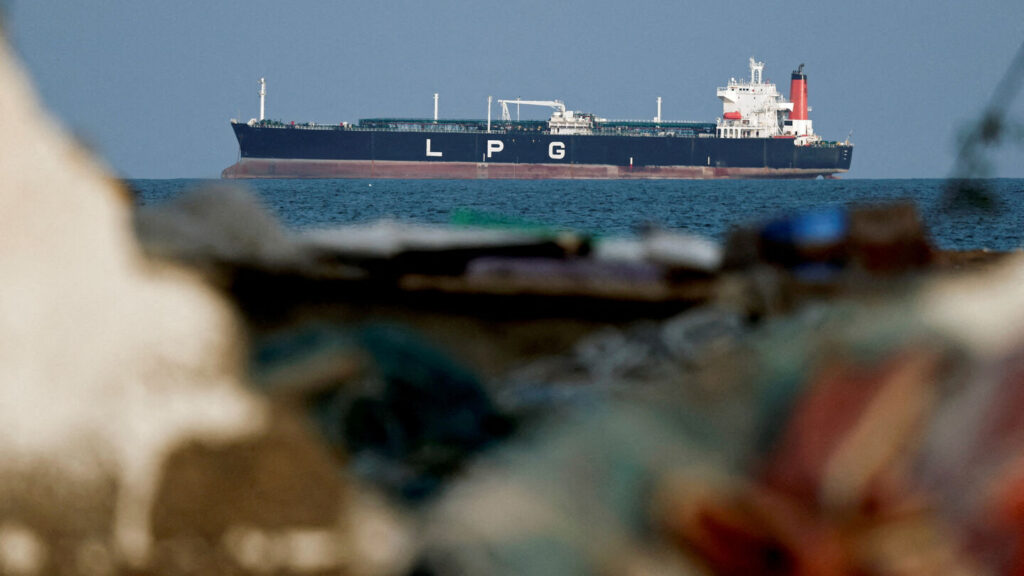
The Trump Iran energy threats 2026 are already disrupting energy supply chains worldwide. Australia, heavily reliant on imported oil, saw six tanker shipments canceled, prompting concerns about localized supply shortages.
Energy Minister Chris Bowen assured the public that while there may be “bumps in supply,” Australia’s domestic fuel availability remains stable. Both refineries are operating at full capacity, and importers are securing alternative shipments to compensate for canceled tankers.
Swinburne University energy expert Hussein Dia highlighted structural vulnerabilities:
“Australia imports 80–90% of its liquid fuels. Any sustained disruption in the Middle East exposes weaknesses in our energy system and regional supply chains.”
Rising Fuel Prices and Economic Pressures
The standoff is already affecting consumers. Petrol prices in some regions have surpassed $2.50 per litre, while diesel has exceeded $3. Rising fuel costs, combined with inflation and mortgage pressures, are placing a strain on households and businesses.
Finance expert Sajid Anwar emphasized responsible consumption:
“Adopting fuel-efficient practices and avoiding panic buying is essential to stabilizing markets and mitigating economic impacts during this period of uncertainty.”
Opposition lawmakers are calling for increased use of biofuels and domestic energy alternatives to strengthen resilience against international disruptions.
Strategic Importance of the Strait of Hormuz
The Strait of Hormuz remains a critical chokepoint for global oil exports. Attacks on power plants or energy infrastructure could lead to:
- Blackouts affecting refineries, pumps, and export terminals
- Disruption of military operations reliant on energy supply
- Increased volatility in global oil prices
Iran’s threats to US infrastructure, combined with Trump’s ultimatum, have placed the strait at the center of global attention, making it a flashpoint for further escalation.
Preparing for Energy Uncertainty
Authorities and energy experts are advising governments and consumers to prepare for potential supply shocks:
- Diversifying fuel sources, including biofuel blends
- Coordinating with importers and refineries to maintain continuity of supply
- Encouraging fuel conservation and efficient energy use
Bowen reiterated that Australia is actively managing the risk and working with refineries and importers to minimize disruptions.
Conclusion: Global Implications of Trump Iran Energy Threats 2026
The Trump Iran energy threats 2026 highlight the fragility of global energy security amid escalating Middle East tensions. Both nations targeting critical infrastructure could disrupt global oil flows, raise fuel prices, and strain supply chains worldwide.
As the situation unfolds, monitoring developments in the Strait of Hormuz and the Gulf region is critical for governments and businesses to anticipate potential impacts on energy and economic stability.
PLEASE CLICK HERE FOR MORE NEWS