 0
0
 0
0
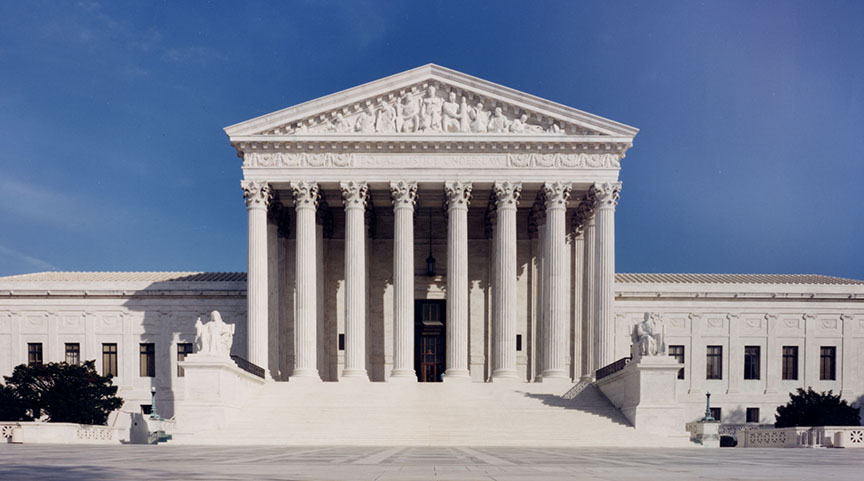
Trump birthright citizenship supreme court case has moved into a decisive phase as the United States Supreme Court prepares to hear arguments on one of the most consequential constitutional disputes in recent history. The case centers on a controversial executive order aimed at redefining who qualifies for automatic citizenship in the United States.
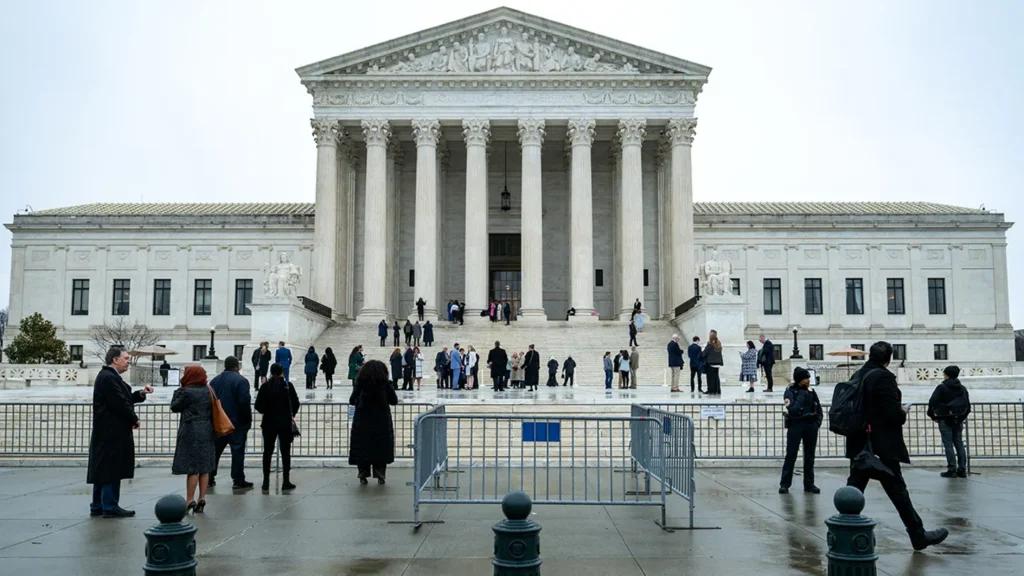
Supreme Court Set to Hear Landmark Case
The Trump birthright citizenship supreme court case will see justices evaluate whether a sitting president can reinterpret a long-established constitutional principle without congressional approval.
What the Case Is About
At the heart of the dispute is an executive order signed by President Donald Trump seeking to deny automatic citizenship to children born in the United States to parents who are:
- Undocumented immigrants
- Temporary visa holders
This represents a direct challenge to the long-standing interpretation of the 14th Amendment.
Why It Is Considered Historic
Legal experts describe the case as historic because it questions over a century of precedent. The Supreme Court has not revisited this issue in such depth since the landmark 1898 ruling in United States v Wong Kim Ark.
President’s Presence at Hearing
Reports indicate that Trump himself is expected to attend the Supreme Court session. Such a move is considered highly unusual, as sitting presidents rarely observe proceedings in cases directly involving their administration.
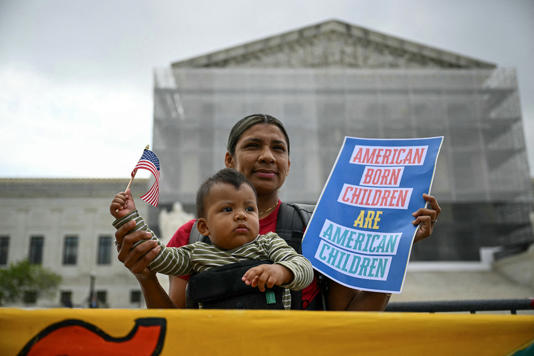
Background of the 14th Amendment
To fully understand the Trump birthright citizenship supreme court case, it is essential to examine the constitutional foundation behind birthright citizenship.
Origins of Birthright Citizenship
The 14th Amendment, ratified in 1868, states:
- Anyone born or naturalized in the United States is a citizen
- Citizenship applies to those “subject to the jurisdiction” of the country
This provision was originally designed to grant citizenship to formerly enslaved people after the Civil War.
Key Legal Precedent
The 1898 Supreme Court case United States v Wong Kim Ark clarified that children born in the US to foreign parents are citizens, provided the parents have a permanent residence in the country.
This interpretation has guided US citizenship law for more than 125 years.
Trump Administration’s Legal Argument
The Trump birthright citizenship supreme court case introduces a new interpretation of constitutional language.
Interpretation of “Jurisdiction”
The administration argues that:
- Individuals in the US illegally are not fully subject to US jurisdiction
- Temporary visitors also fall outside this definition
According to this view, their children should not automatically receive citizenship.
Policy Objectives
Officials have stated that the executive order aims to:
- Reduce incentives for illegal immigration
- Address concerns about “birth tourism”
- Tighten immigration enforcement
Broader Legal Strategy
Rather than seeking to amend the Constitution, the administration is asking the court to reinterpret existing language.
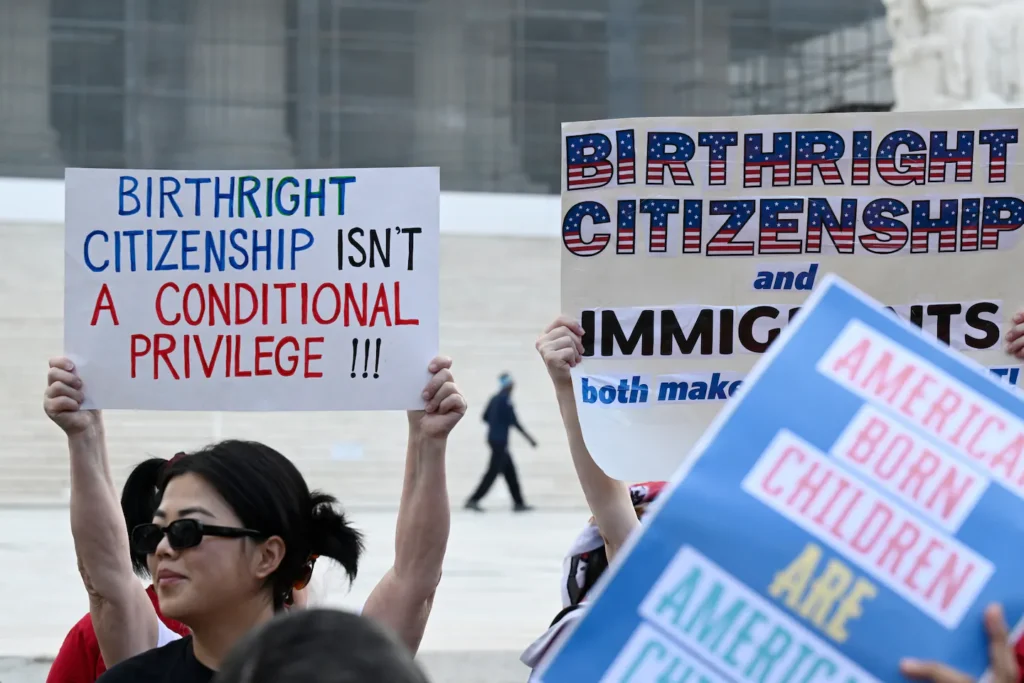
Lower Court Rulings and Legal Challenges
Before reaching the Supreme Court, the Trump birthright citizenship supreme court case faced significant opposition in lower courts.
Initial Judicial Response
Federal courts previously blocked the executive order, ruling that:
- The policy likely violates the Constitution
- The president does not have unilateral authority to redefine citizenship
Ongoing Legal Battles
Multiple states, advocacy groups, and legal organizations have challenged the order, arguing that it:
- Contradicts established precedent
- Risks creating legal uncertainty for millions
National Impact
If implemented, the policy could affect:
- Hundreds of thousands of newborns annually
- Immigration procedures nationwide
Potential Implications of the Case
The outcome of the Trump birthright citizenship supreme court case could reshape US immigration and constitutional law.
If the Court Upholds the Order
Possible consequences include:
- Redefinition of citizenship eligibility
- Increased documentation requirements for newborns
- New legal standards for immigration enforcement
If the Court Rejects the Order
A ruling against the administration would:
- Reinforce existing interpretation of the 14th Amendment
- Maintain current citizenship practices
- Limit executive authority in constitutional matters
Impact on Future Policy
Regardless of the outcome, the case is expected to influence:
- Future immigration reforms
- Presidential use of executive orders
- Judicial interpretation of constitutional language
Broader Political Context
The Trump birthright citizenship supreme court case unfolds amid broader debates on immigration and national identity.
Timing Before Elections
The case comes months before major US elections, adding political significance to the legal proceedings.
Related Policy Moves
The administration has also:
- Proposed stricter voter identification laws
- Attempted reforms to mail-in voting
- Advocated for tighter immigration controls
These efforts reflect a broader policy agenda focused on election integrity and immigration reform.
Historical Significance of the Case
This case represents more than a legal dispute—it is a defining moment in constitutional interpretation.
Comparison to Past Cases
Few cases have challenged such a foundational principle of citizenship.
Long-Term Consequences
The ruling could:
- Set new legal precedents
- Influence global debates on citizenship laws
- Shape the future of US immigration policy
FAQ
What is the Trump birthright citizenship supreme court case about?
The case examines whether a president can deny automatic citizenship to children born in the US to undocumented immigrants or temporary visa holders.
Why is birthright citizenship protected in the US?
It is guaranteed under the 14th Amendment, which grants citizenship to most individuals born on US soil.
What could happen if Trump wins the case?
Citizenship rules could change, requiring proof of parental legal status for newborns in the US.
When will the Supreme Court decide the case?
A final ruling is expected before the end of the court’s term, likely by mid-2026.
Conclusion
The Trump birthright citizenship supreme court case represents a critical test of constitutional interpretation and executive authority in the United States. As the Supreme Court weighs arguments from both sides, the outcome will have lasting implications for citizenship rights, immigration policy, and the balance of power within the federal government.