


The Trump administration blocks Mamdani Petro meeting development has drawn international attention after reports claimed that a planned discussion between New York City Mayor Zohran Mamdani and Colombian President Gustavo Petro was canceled following pressure from U.S. officials. The reported decision has raised questions about diplomatic restrictions, visa enforcement, and the limits of political engagement involving foreign leaders in the United States.
According to reporting attributed to The Washington Post, the meeting was intended to include both private discussions and a public event focused on democratic governance in Western political systems. However, the engagement was quietly called off during Petro’s official visit to the United States.
The cancellation has sparked debate over diplomatic access, foreign policy tensions, and the role of U.S. visa regulations in shaping international political interactions.
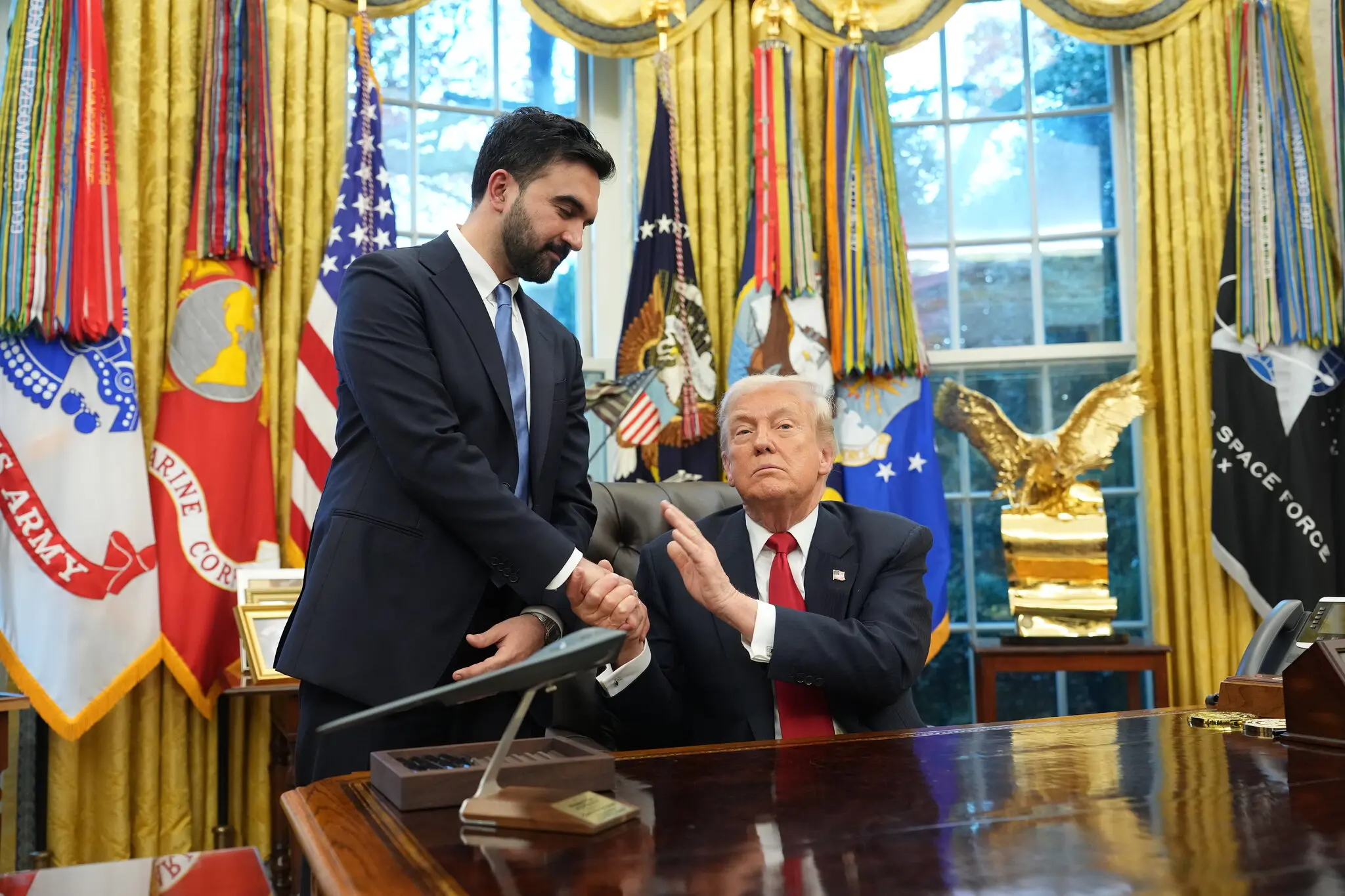

Background to the Mamdani–Petro Planned Meeting
The canceled engagement was expected to bring together two prominent political figures from different regions.
Who were the planned participants?
- Zohran Mamdani, Mayor of New York City
- Gustavo Petro, President of Colombia
The Trump administration blocks Mamdani Petro meeting situation emerged during Petro’s visit to the United States for United Nations-related diplomatic engagements.
Purpose of the meeting
The proposed agenda reportedly included:
- A private political discussion
- A public forum on Western democracy
- Dialogue on international governance systems
Additional planned focus areas
- Democratic reform and civic participation
- Latin America–U.S. relations
- Global political cooperation
The event was also seen as symbolically important due to Petro’s international profile and Mamdani’s growing political influence in U.S. local politics.
How the Trump Administration Blocked the Meeting
Reports indicate that U.S. officials raised concerns over Petro’s travel permissions and visa conditions.
The Trump administration blocks Mamdani Petro meeting claim is based on accounts from individuals familiar with diplomatic communications cited by The Washington Post.
Alleged concerns raised by officials
U.S. State Department officials reportedly argued that:
- Petro was under existing visa restrictions
- Additional political engagements could violate entry conditions
- Unauthorized meetings could trigger legal consequences
Key statement from officials
A State Department representative was quoted as saying:
- “A visa is a privilege, not a right.”
Officials also emphasized that foreign nationals entering the U.S. must comply with all conditions attached to their travel permissions.
Role of diplomatic enforcement rules
U.S. officials further referenced:
- Visa sanctions policies
- OFAC (Office of Foreign Assets Control) regulations
- UN headquarters agreements governing diplomatic entry
These frameworks were cited as justification for limiting certain activities beyond official UN engagements.
Why the Meeting Was Canceled
Following diplomatic discussions, Colombian officials reportedly opted to cancel the meeting.
The Trump administration blocks Mamdani Petro meeting development appears to have influenced Colombia’s decision to avoid further complications during Petro’s visit.
Key factors behind the cancellation
- Risk of visa violation allegations
- Pressure from U.S. diplomatic channels
- Concerns about escalating political tensions
Internal diplomatic considerations
- Avoiding disruptions during UN-related visits
- Maintaining compliance with U.S. entry rules
- Preventing diplomatic friction between nations

UN-related travel context
Petro’s visit was tied to United Nations activities, where heads of state and diplomats frequently travel under specific agreements allowing limited movement within host countries.
Controversy Over Petro’s Political Statements
Gustavo Petro has previously made statements critical of U.S. foreign policy, which have contributed to diplomatic tensions.
The Trump administration blocks Mamdani Petro meeting controversy is partly linked to these past remarks.
Key issues raised in past statements
Petro has accused the United States of:
- Supporting controversial military actions abroad
- Being complicit in humanitarian crises
- Conducting aggressive foreign policy operations
Public remarks that drew attention
He has also criticized:
- U.S. military operations in Latin America
- Actions involving Venezuela’s political leadership
- Maritime security interventions linked to drug enforcement
These positions have contributed to strained relations between Petro and U.S. officials.
Expert Reactions and International Concerns
Foreign policy analysts have weighed in on the implications of the reported cancellation.
Concerns about diplomatic precedent
Experts warned that the Trump administration blocks Mamdani Petro meeting situation could raise broader questions such as:
- Limits on political engagement during UN visits
- Restrictions on international dialogue
- Impact on diplomatic openness in the U.S.
Key expert perspective
A Colombia policy analyst noted that:
- Petro is not comparable to historically sanctioned leaders
- Restrictions may reflect political disagreements rather than security threats
- Such actions could discourage future diplomatic participation
Comparison with other global cases
Some analysts drew parallels with past restrictions involving:
- Iranian political delegations
- Former Libyan leadership
- Other sanctioned international figures
These comparisons highlight ongoing debates about consistency in U.S. diplomatic enforcement.
U.S. Government Position on Visa Enforcement
U.S. officials defended the enforcement of visa rules, emphasizing legal authority over entry permissions.
Core principles highlighted
- Visa access is conditional, not guaranteed
- Political activity must align with entry terms
- National security considerations apply
Key enforcement points
- Foreign leaders must respect travel conditions
- Violations may lead to revocation of entry privileges
- Diplomatic exceptions have defined limits
Officials maintained that these rules apply regardless of political status or international position.
Reaction From the White House
As of the report’s publication:
- The White House did not confirm direct involvement
- No official detailed statement was released
- The cancellation remains based on media reporting
This has left several aspects of the incident unverified by direct executive confirmation.
Implications for U.S. and Latin America Relations
The incident may have broader diplomatic implications.
Possible impacts include:
- Increased scrutiny of foreign leaders visiting the U.S.
- Strained U.S.–Colombia relations
- Reduced informal diplomatic engagements
Broader political considerations
- Future UN-related diplomatic participation
- Limits on political dialogue during visits
- Regional perceptions of U.S. neutrality
The situation continues to generate debate among international relations observers.

FAQ
Why was the Mamdani and Petro meeting canceled?
The meeting was reportedly canceled due to concerns raised by U.S. officials over Petro’s visa restrictions and diplomatic conditions.
Was the Trump administration officially confirmed to be involved?
No official confirmation has been issued by the White House regarding direct involvement.
What was the purpose of the planned meeting?
It was expected to focus on democracy, governance, and political dialogue between international leaders.
Does Gustavo Petro still have access to the United States?
Reports suggest he is allowed entry for UN-related activities but may face restrictions on additional political engagements.
The Trump administration blocks Mamdani Petro meeting report highlights ongoing tensions between diplomatic protocols and political engagement involving foreign leaders in the United States. While full details remain subject to official confirmation, the incident underscores how visa rules and foreign policy considerations can directly influence international political interactions.
Click here for more news


