 0
0
 0
0
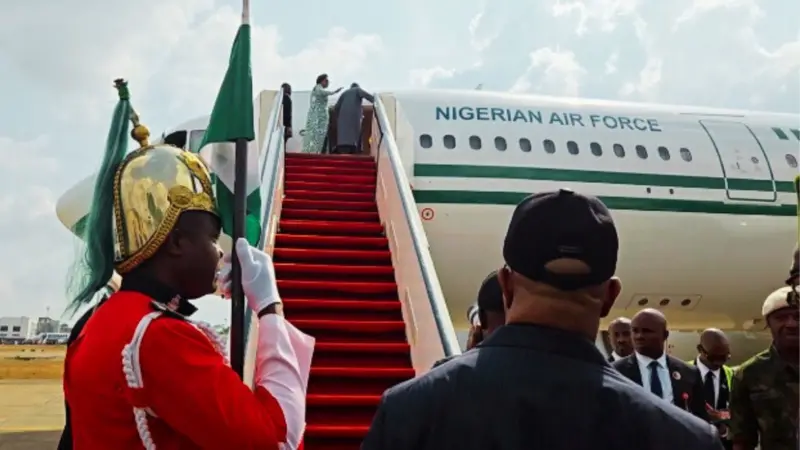
Tinubu UK visit amid Borno bombings has drawn sharp criticism from Nigerian clerics, who describe the President’s trip as insensitive and poorly timed given the escalating violence in Borno State. The March 17–18, 2026, bombings in Maiduguri left at least 23 people dead and many injured, sparking nationwide concerns about security.
President Tinubu’s UK Trip
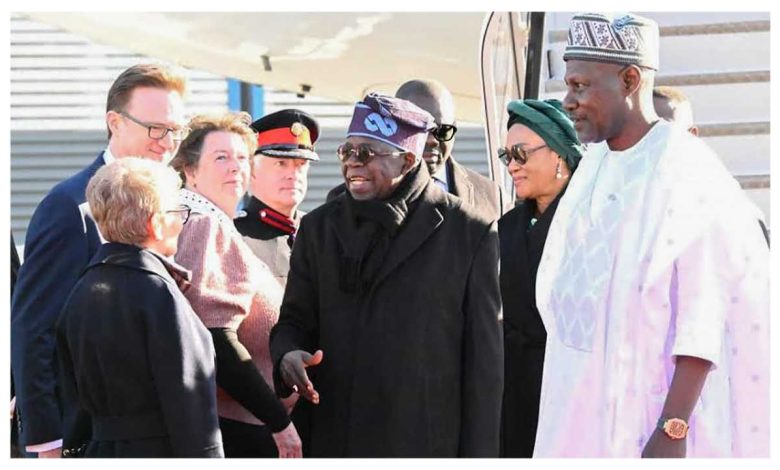
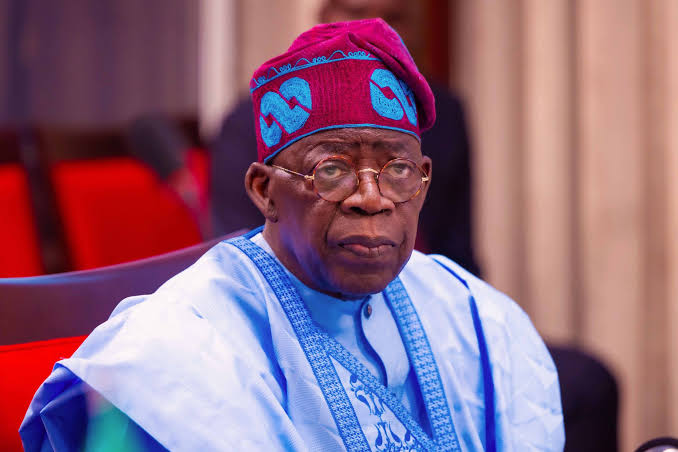
Tinubu UK Visit Amid Borno Bombings Draws Sharp Criticism traveled to the United Kingdom on Tuesday for a state visit at the invitation of King Charles III. The delegation included First Lady Oluremi Tinubu and several top government officials. This marks Nigeria’s first state visit to the UK in nearly forty years.
Diplomatic Objectives
-
Strengthening Nigeria–UK bilateral relations.
-
Engaging with British leadership, including Prime Minister Keir Starmer.
-
Highlighting Nigeria’s role in regional and international policy discussions.
While the visit carries historical significance, it coincided with a period of heightened domestic insecurity, raising questions about prioritization during crises.
Clerics’ Response to the Visit
A coalition of Christian leaders, Concerned Igbo Ministers, released a statement strongly condemning the President’s decision to travel abroad at this critical time.
Key Points from the Statement
-
The trip was “deeply troubling” and poorly timed.
-
Presence abroad during national violence sends the wrong message.
-
Focus on international diplomacy instead of urgent domestic security is criticized.
Rev. Tony Uzo Anthony, who signed the statement, said the President’s actions reflected negligence rather than leadership.
Accusations of Negligence
The clerics argued:
-
Leaders should show visible presence during national crises.
-
Immediate engagement with victims and security operations is expected in moments of heightened insecurity.
-
Diplomacy alone cannot address the country’s security challenges, according to analysis by Chatham House.
They further stated that criticism from government officials labeling concern as “ignorance and mischief” is dismissive and disregards the reality of ongoing violence in northern Nigeria.
Impact of the Borno Bombings
H3: Casualties and Local Effects
-
At least 23 deaths reported in Maiduguri.
-
Many individuals sustained injuries requiring urgent medical attention.
-
Community trauma and fear increased across Borno State.
H3: National Security Concerns
-
Rising attacks have created widespread unease across northern regions.
-
Local authorities face challenges in curbing violence without immediate federal leadership presence.
-
Security lapses extend beyond Borno to states such as Osun and other parts of the Western region.
The bombings underscore the continued vulnerability of civilians to insurgent activities, highlighting the need for robust national security measures.
Separatist Agitation and Regional Security
The clerics also addressed the issue of separatist movements in Nigeria’s South-East, particularly referencing Nnamdi Kanu and the Eastern Security Network (ESN).
Key Observations
-
Security initiatives by the ESN have reportedly reduced violence in the South-East.
-
The claim that Nnamdi Kanu is responsible for national insecurity is described as misleading.
-
The group emphasized that localized security measures in the South-East have contributed to relative stability.
This perspective challenges narratives that link separatist movements exclusively to rising insecurity across Nigeria.
Government Response
The Nigerian Information Ministry has dismissed criticism of Tinubu’s trip as “ignorance and mischief,” suggesting that the administration believes international engagements are part of leadership responsibilities.
-
Officials maintain that state visits can strengthen Nigeria’s diplomatic influence.
-
Critics argue that domestic crises require immediate attention, especially when civilian lives are at risk.
Broader Implications for Leadership
H3: Perception of Presidential Priorities
-
Traveling abroad during a domestic crisis may create the perception that international diplomacy takes precedence over citizen safety.
-
Leadership presence in crisis zones often reassures citizens and demonstrates accountability.
H3: Public Trust and Security Expectations
-
Failure to visibly manage security crises can erode public confidence.
-
Swift and transparent communication regarding government actions during attacks is critical to maintaining trust.
H3: Role of Religious and Community Leaders
-
Clerics play an influential role in shaping public opinion on governance.
-
Their criticisms highlight societal expectations for leaders to balance domestic and international duties during emergencies.
Lessons and Considerations
-
National leaders may need to prioritize crisis management over ceremonial trips during periods of insecurity.
-
Improved coordination between federal and state security agencies is essential.
-
Transparent engagement with the public on security operations could mitigate criticism and enhance credibility.
FAQ Section
Q1: Why are Nigerian clerics criticizing Tinubu’s UK visit?
A1: Clerics argue that traveling abroad during the deadly Borno bombings was insensitive and showed a lack of leadership presence during a national crisis.
Q2: How many people were affected by the Maiduguri bombings?
A2: At least 23 people were killed, with several others injured in the attacks.
Q3: What is the role of Nnamdi Kanu and the Eastern Security Network?
A3: Clerics stated that the ESN’s initiatives have contributed to reduced violence in the South-East, challenging narratives that link Kanu to national insecurity.
Q4: How did the government respond to criticisms of Tinubu’s trip?
A4: The Nigerian Information Ministry dismissed the criticism as “ignorance and mischief,” emphasizing the importance of diplomatic engagements.
Conclusion
The Tinubu UK visit amid Borno bombings has highlighted tensions between international diplomacy and domestic crisis management. While state visits hold diplomatic significance, the timing of this trip drew sharp criticism from religious leaders and citizens concerned about national security. The situation emphasizes the delicate balance Nigerian leaders must maintain between global representation and immediate domestic responsibilities.
Click here for more news