


Tinubu economic reforms hardship Nigeria became a major talking point after President Bola Tinubu defended the economic measures introduced since taking office in 2023, insisting the country would have faced a deeper financial crisis without them.
Speaking during a statement marking the third anniversary of his administration on May 29, 2026, the president acknowledged the severe economic pain many Nigerians continue to experience but maintained that the reforms were necessary to stabilise the nation’s economy.
Tinubu said his government made difficult but important decisions, including the removal of fuel subsidies and the unification of the foreign exchange market, to prevent what he described as “fiscal breakdown.”
His comments come at a time when inflation, high food prices, rising transportation costs, unemployment concerns, and insecurity continue to affect millions of Nigerians across the country.
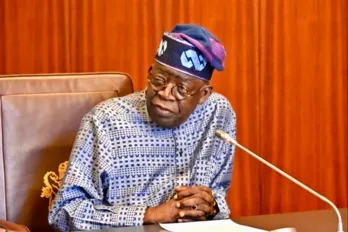

Tinubu Says Tough Decisions Were Necessary
President Tinubu defended the reforms by arguing that previous economic systems were unsustainable and heavily draining national resources.
According to him, continuing with old policies would have worsened poverty levels and created more economic uncertainty for Nigeria.
Fuel Subsidy Removal Explained
One of the first major policies introduced after Tinubu assumed office in 2023 was the removal of petrol subsidies.
The decision immediately caused fuel prices to rise sharply nationwide, leading to increased transport fares and higher costs of goods and services.
Tinubu stated that Nigeria had spent enormous amounts sustaining the subsidy system.
According to him, the country reportedly spent up to ₦18.4 billion daily on fuel subsidies, with total spending exceeding ₦4 trillion in 2022 alone.
Exchange Rate Unification Policy
Another major reform defended by the president involved the unification of Nigeria’s multiple foreign exchange windows.
The administration argued that the previous forex structure encouraged arbitrage and market distortions.
Tinubu claimed Nigeria lost over ₦8 trillion within three years due to speculative activities and exchange rate manipulation linked to multiple forex systems.
The government believes the unified exchange rate policy will improve transparency and attract long-term investment into the economy.
President Acknowledges Citizens’ Sacrifices
Despite defending the policies, Tinubu admitted that Nigerians have experienced hardship since the reforms began.
He said the administration remains aware of the sacrifices citizens continue to make.
“I remain deeply conscious of those sacrifices, and I assure you: your sacrifice has not been in vain,” the president stated.
The Tinubu economic reforms hardship Nigeria discussion has remained central to national debates as many households continue to struggle with rising living expenses.
Inflation and Cost of Living Continue to Rise
Although the government insists economic indicators are improving, many Nigerians continue to face significant financial pressure.
Food prices, transportation costs, electricity expenses, and rent have all increased considerably over the past three years.
Rising Food Prices Across Nigeria
Food inflation remains one of the biggest concerns for households.
Prices of staple foods including rice, beans, garri, bread, yam, and cooking oil have increased sharply in many states.
Several factors have contributed to the rising costs, including:
- Higher transportation expenses
- Currency depreciation
- Insecurity affecting farming activities
- Increased production costs
- Supply chain disruptions
For many families, maintaining basic daily needs has become increasingly difficult.
Transportation Costs Affect Daily Life
Following the fuel subsidy removal, transportation fares increased across urban and rural areas.
Commercial drivers and logistics operators adjusted prices to reflect higher fuel costs, affecting workers, traders, and students.
Businesses that rely on transportation for goods distribution also transferred additional costs to consumers.
This has continued to fuel public concern over the pace of economic recovery.
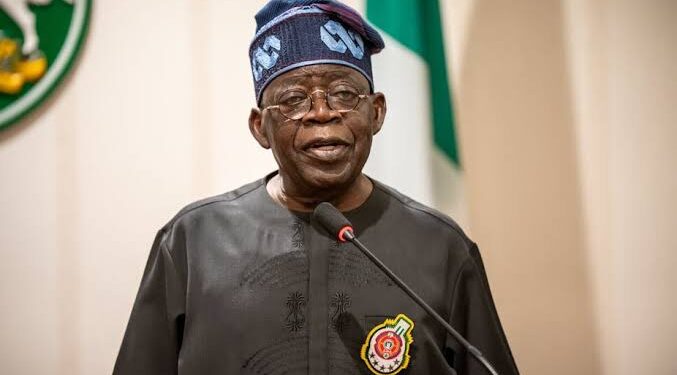

Businesses Facing Operational Challenges
Small and medium-sized businesses have also struggled with rising operational expenses.
Many business owners cite challenges such as:
- High electricity costs
- Expensive diesel and fuel
- Currency instability
- Reduced customer spending power
- Importation difficulties
Some businesses have reduced staff strength or scaled down operations in response to economic pressure.
Government Maintains Economy Is Stabilising
Despite criticism from opposition groups and economic analysts, the federal government insists reforms are beginning to show positive results.
Officials have repeatedly argued that short-term hardship is necessary for long-term economic stability.
Claims of Improved Fiscal Management
Supporters of the administration argue that subsidy removal has reduced pressure on government finances.
The government believes funds previously spent on subsidies can now be redirected toward infrastructure, education, healthcare, and social investment programmes.
Tinubu stated that the country is now “stabilised and moving forward again.”
Expectations for Long-Term Recovery
Economic reforms often require time before visible improvements are felt by ordinary citizens.
Analysts say reforms involving currency systems, subsidies, and fiscal restructuring usually produce gradual rather than immediate outcomes.
However, many Nigerians remain concerned about how long the economic hardship may continue before measurable relief is achieved.
Public Reactions Remain Divided
The Tinubu economic reforms hardship Nigeria debate has generated mixed reactions among citizens and political observers.
Some Nigerians believe the reforms were unavoidable and necessary to prevent a deeper economic crisis.
Others argue that the policies were introduced without sufficient social protection measures for vulnerable citizens.
Critics also question whether the expected benefits are reaching ordinary Nigerians fast enough.
Insecurity Continues Across Several Regions
Beyond economic hardship, insecurity remains another major issue facing the country.
Attacks linked to banditry, kidnapping, communal clashes, and insurgency continue in parts of Nigeria despite ongoing security operations.
Security Challenges Affect Economic Activities
Insecurity has significantly affected agriculture, transportation, and local commerce in several states.
Farmers in some regions have reportedly abandoned farmlands due to fear of attacks, contributing to food shortages and inflation.
Businesses operating in high-risk areas also face increased security expenses and operational risks.
Government Promises Continued Security Efforts
The federal government has repeatedly pledged to strengthen security operations nationwide.
Authorities continue to deploy security personnel and coordinate operations aimed at tackling criminal activities.
However, concerns remain among citizens about the pace of improvement in security conditions.
Third Anniversary Marks Key Political Moment
The president’s latest remarks came during activities marking the third anniversary of his administration since assuming office in May 2023.
The anniversary has prompted renewed public discussions about the administration’s achievements, economic policies, and national priorities.
Focus on Economic Recovery
Economic recovery remains one of the administration’s major priorities moving into the next phase of governance.
Government officials continue to stress the importance of maintaining fiscal discipline and implementing structural reforms.
Opposition Parties Continue Criticism
Opposition figures and civil society groups have continued to criticise aspects of the administration’s policies.
Some groups argue that stronger social intervention programmes are needed to cushion the impact of reforms on low-income households.
Others have called for improved transparency and accountability regarding government spending.
Nigerians Watching for Visible Results
As economic conditions remain challenging, many Nigerians are closely monitoring whether reforms will eventually translate into lower inflation, job creation, improved infrastructure, and better living standards.
Public expectations remain high as citizens look for clearer signs of economic relief and national stability.

FAQ
Why did Tinubu remove the fuel subsidy in Nigeria?
Tinubu said the fuel subsidy system was financially unsustainable and costing Nigeria billions of naira daily, contributing to fiscal pressure on government finances.
How have Tinubu’s economic reforms affected Nigerians?
The reforms have led to higher fuel prices, increased transportation costs, rising food inflation, and greater living expenses for many households.
What did Tinubu say about Nigeria’s economy in 2026?
The president stated that Nigeria has stabilised economically and avoided fiscal collapse due to reforms introduced since 2023.
Why is Tinubu economic reforms hardship Nigeria trending?
The topic gained attention after President Tinubu defended his policies during his administration’s third anniversary despite ongoing inflation and insecurity concerns.
The Tinubu economic reforms hardship Nigeria conversation continues to shape national political and economic discussions as citizens assess the impact of major policy changes introduced since 2023. While the government insists the reforms were necessary to prevent deeper financial instability, many Nigerians continue to face economic pressure and insecurity challenges. The coming months are expected to remain important in determining whether the promised long-term benefits become more visible across the country.
Click here for more news


