 0
0
 0
0
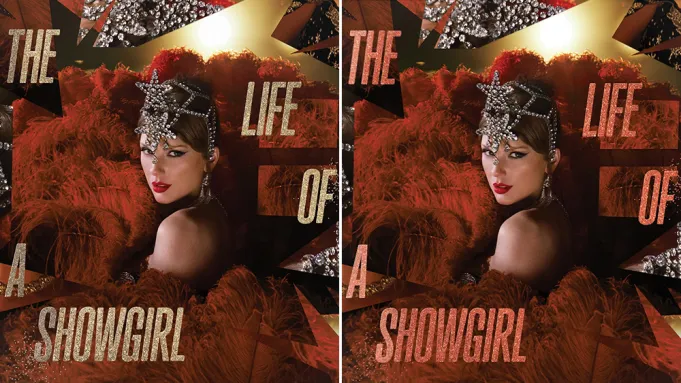
Taylor Swift album title lawsuit 2026 has emerged as a significant legal dispute in the entertainment industry, with the global pop star facing trademark infringement claims over her latest album title, “The Life of a Showgirl.”
The case, filed in a California federal court, raises questions about intellectual property rights, brand ownership, and the challenges that arise when creative works intersect with existing trademarks.
Details of the Lawsuit Against Taylor Swift
The Taylor Swift album title lawsuit 2026 centers on allegations brought forward by a performer and writer who claims prior ownership of a similar brand identity.
Who Filed the Case?
The lawsuit was filed by Maren Wade, a former contestant on America’s Got Talent.
She claims to have established a long-standing brand titled “Confessions of a Showgirl,” which has been in use since 2014.

Trademark Claim and Brand History
According to the filing, Wade’s brand includes multiple platforms:
- A newspaper column
- A podcast series
- Live musical and stage performances
Her legal team argues that the brand has built recognition over more than a decade, making it vulnerable to confusion when similar titles appear in the mainstream.
Album at the Center of the Dispute
The lawsuit specifically targets The Life of a Showgirl, which is Taylor Swift’s twelfth studio album.
The claim alleges that the title is too similar to Wade’s existing trademark and could mislead audiences.
Trademark Concerns and Legal Arguments
The Taylor Swift album title lawsuit 2026 highlights key legal arguments related to trademark law and brand identity.
Confusing Similarity Argument
Wade’s legal team argues that the album title creates a “confusingly similar” impression when compared to her trademark.
This claim is reportedly supported by a prior decision from the United States Patent and Trademark Office, which had declined an application related to the album title.
Consumer Confusion and Brand Impact
The lawsuit alleges that the release of the album has led to:
- Misidentification of the original brand owner
- Audience confusion over authorship
- Reduced visibility of Wade’s work
This phenomenon is described as “consumer erosion,” where a smaller brand risks being overshadowed.

Request for Legal Remedies
The plaintiff is seeking several outcomes through the court, including:
- Financial compensation (unspecified damages)
- Restriction on the use of the album title
- Removal of the title from merchandise and digital platforms
Taylor Swift’s Trademark Portfolio
Despite the ongoing case, Taylor Swift remains one of the most active artists in trademark registration.
Extensive Trademark Holdings
Reports indicate that she holds over 170 active trademarks, covering:
- Album titles
- Lyrics and phrases
- Merchandise branding
This reflects a strategic approach to protecting intellectual property within the music industry.
History of Brand Protection
Swift has previously taken steps to secure her creative assets, including:
- Registering song titles for commercial use
- Protecting tour-related branding
- Enforcing rights against unauthorized usage
These actions demonstrate the importance of trademarks in modern entertainment.
Response from Taylor Swift’s Team
As of the latest developments, Swift’s representatives have not issued a formal public statement regarding the Taylor Swift album title lawsuit 2026.
Silence Amid Ongoing Litigation
Legal experts often advise limited public commentary during active cases to avoid influencing proceedings.
Possible Legal Strategies
While details remain undisclosed, potential responses could include:
- Challenging the similarity claim
- Arguing lack of consumer confusion
- Demonstrating distinct branding differences

Taylor Swift at event amid lawsuit over album title
Broader Implications for the Entertainment Industry
The Taylor Swift album title lawsuit 2026 reflects wider challenges in balancing creativity and intellectual property rights.
Increasing Trademark Disputes in Music
As artists expand their brands beyond music, disputes over names and titles have become more common.
Factors contributing to this trend include:
- Growth of global digital platforms
- Expansion into merchandise and media
- Increased value of brand identity

Challenges for Independent Creators
The case also highlights concerns faced by smaller creators who may struggle to protect their work against larger entities.
Key issues include:
- Limited legal resources
- Difficulty maintaining brand visibility
- Risk of being overshadowed by high-profile figures
Importance of Clear Trademark Registration
Experts emphasize the need for:
- Early registration of intellectual property
- Continuous monitoring of similar trademarks
- Legal preparedness for potential disputes
Timeline of Key Events
Development of Wade’s Brand (2014–2026)
- Launch of “Confessions of a Showgirl” brand
- Expansion into media and performances
- Establishment of trademark recognition
Release of Swift’s Album
- Launch of “The Life of a Showgirl”
- Commercial success and widespread visibility
- Emergence of trademark concerns
Filing of the Lawsuit
- Case submitted to California federal court
- Legal arguments presented
- Awaiting judicial proceedings
Key Takeaways from the Case
- The lawsuit centers on trademark similarity between two “showgirl”-themed brands
- A prior review by the U.S. Patent and Trademark Office plays a role
- The plaintiff alleges consumer confusion and brand erosion
- Taylor Swift has an extensive trademark portfolio
- The case highlights broader intellectual property challenges
FAQ
What is the Taylor Swift album title lawsuit 2026 about?
It involves a trademark dispute over the album title “The Life of a Showgirl,” which is alleged to be similar to an existing brand.
Who filed the lawsuit against Taylor Swift?
The case was filed by performer and writer Maren Wade, who claims prior ownership of a related trademark.
What damages are being requested in the lawsuit?
The plaintiff is seeking unspecified financial compensation and restrictions on the use of the album title.
How could this case affect the music industry?
It may influence how artists approach branding, trademarks, and title selection for future projects.
Conclusion
The Taylor Swift album title lawsuit 2026 underscores the growing importance of intellectual property in the entertainment industry. As artists continue to build expansive brands, disputes over names and trademarks are likely to remain a critical issue. The outcome of this case may provide further clarity on how courts interpret similarity, ownership, and consumer perception in creative works.
PLEASE CLICK HERE FOR MORE NEWS