 0
0
 0
0
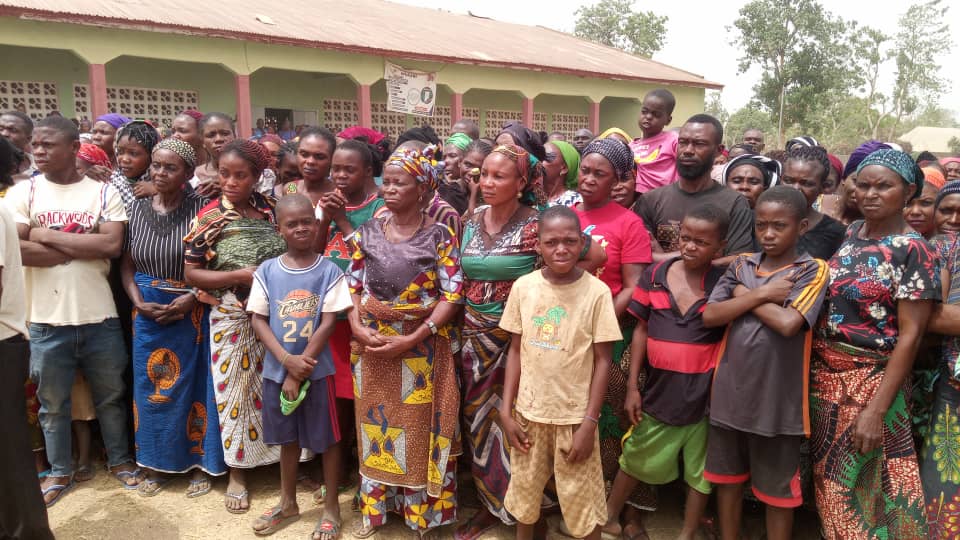
Taraba Tiv women crisis 2026 has intensified as women from Tiv communities in Takum and Donga Local Government Councils sound an urgent call for help. The attacks, ongoing since October 2025, have left many widowed, displaced, and unable to access their farmlands.
Affected communities include Adu, Gbundu, Demevaa, Tor-Damisa, and New Gboko. Leaders of the displaced women have appealed to President Bola Ahmed Tinubu and Taraba State Governor Agbu Kefas to deploy security personnel to restore peace.
Dire Consequences for Families
Loss of Lives and Homes
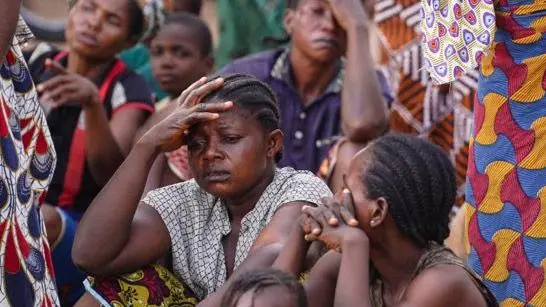
Mrs. Msughshima Tersugh, spokesperson for the affected women, described the situation as dire. Many families have lost husbands, homes, and their primary means of livelihood.
- Displaced families lack shelter and food.
- Children face severe hunger due to the crisis.
- The rainy season complicates the potential return to communities.
Farmland Destruction and Food Insecurity
Tersugh emphasized that farmland devastation during attacks prevents displaced residents from cultivating crops. This disruption poses a significant threat to food security in the region.
- Missing the planting season could deepen hunger.
- Families reliant on farming face long-term survival risks.
- Urgent intervention is critical to prevent a humanitarian crisis.
Call for Government Intervention
Urgent Deployment of Security Forces
The Tiv women have urged the Taraba State Government and federal authorities to act swiftly. Immediate deployment of security personnel is essential to:
- Protect lives and property.
- Facilitate the safe return of displaced families.
- Enable residents to access and cultivate their farmlands.
Preventing Long-Term Humanitarian Impact
Failure to act could worsen food shortages and exacerbate the ongoing crisis. The women stressed that farming is their primary source of survival, making prompt action critical to prevent deepening hunger.
- The disruption threatens regional food production.
- Continued attacks could trigger broader humanitarian consequences.
- Security measures must align with seasonal agricultural needs.
Background of the Crisis
The Tiv communities in Taraba State have historically faced challenges from sporadic armed attacks. The recent wave, starting in October 2025, has escalated tensions and displaced a significant portion of the population.
- Suspected armed groups are believed to be responsible.
- Homes and farmlands are systematically targeted.
- Displacement has left communities unable to maintain economic activities.
Community Appeals and Expectations
The displaced Tiv women have been vocal in seeking intervention. Key appeals include:
- Prompt deployment of security forces to affected areas.
- Protection of farmland and property for safe resettlement.
- Assurance of food supply support in the interim.
Community leaders stress that timely government response is crucial to restore normalcy and safeguard lives.
Implications for Food Security
The crisis not only threatens individual families but also impacts broader food security in Taraba State. Disruption of planting during the critical rainy season may lead to:
- Reduced local crop production.
- Increased vulnerability to hunger among displaced populations.
- Potential escalation of poverty and social instability.
Steps Forward
Authorities are urged to prioritize:
- Strengthened security presence in Takum and Donga LGAs.
- Rapid support for displaced families, including temporary shelters and food aid.
- Protection and rehabilitation of farmlands to ensure the next planting season.
Timely intervention could mitigate further loss and stabilize affected communities.
FAQ Section
Q: What are the consequences of the Taraba Tiv women crisis 2026?
A: The Taraba Tiv women crisis 2026 has led to widespread displacement, farmland loss, and potential food shortages.
Q2: Which communities are most affected?
A2: Adu, Gbundu, Demevaa, Tor-Damisa, and New Gboko in Takum and Donga Local Government Councils of Taraba State.
Q3: What are the main concerns of displaced Tiv women?
A3: Loss of husbands, homes, and farmlands, threats to food security, and lack of protection from ongoing attacks.
Q4: What interventions are being requested?
A4: Deployment of security personnel, protection of farmlands, and support for displaced families to return and farm safely.
Conclusion
The Taraba Tiv women crisis 2026 underscores the urgent need for security interventions to protect lives, farmlands, and food security in affected communities. Prompt government action is essential to restore safety, enable displaced families to return home, and prevent a worsening humanitarian situation.