


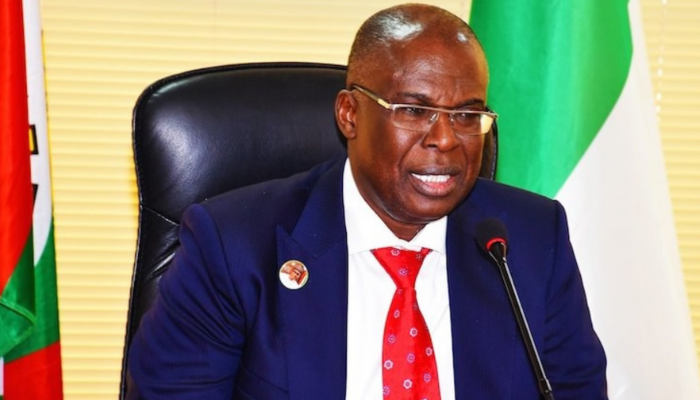
The Sylva property forfeiture case has been adjourned by the Federal High Court in Abuja as proceedings continue between the Economic and Financial Crimes Commission (EFCC) and former Bayelsa State Governor, Timipre Sylva, over the ownership of nine disputed properties.
The adjournment moves the case further into July as the court continues to examine the legal basis for the forfeiture request and related documentation submitted by the anti-graft agency.


Overview of the Sylva Property Forfeiture Case in Abuja Court
The Sylva property forfeiture case is part of an ongoing legal process initiated by the EFCC to determine whether certain assets linked to the former governor should be permanently forfeited to the federal government.
EFCC’s forfeiture request explained
The Economic and Financial Crimes Commission is seeking:
- Permanent forfeiture of nine properties
- Judicial confirmation of asset ownership
- Enforcement of anti-corruption recovery measures
- Validation of investigations tied to financial allegations
Nature of the disputed properties
Although full property details were not publicly disclosed in the court update, the case involves:
- Residential buildings
- Commercial real estate assets
- Other properties allegedly linked to Sylva
Federal High Court Abuja Adjourns Hearing
The matter was heard at the Federal High Court in Abuja on Monday, where the judge ordered an adjournment.
Court decision and new date
The court ruled that:
- The case should be adjourned
- Further hearing will resume on July 16
- Parties should prepare additional submissions
This ensures all sides have adequate time to present arguments and evidence.
Parties involved in the proceedings
The key parties in the Sylva property forfeiture case include:
- Economic and Financial Crimes Commission (EFCC)
- Former Governor Timipre Sylva
- Legal representatives for both sides
Background of EFCC Asset Forfeiture Actions in Nigeria
The Sylva property forfeiture case is part of a broader EFCC strategy to recover assets suspected to be linked to unlawful financial activities.
What asset forfeiture means in legal terms
Asset forfeiture involves:
- Temporary or permanent seizure of assets
- Court determination of ownership rights
- Recovery of assets linked to investigations
- Legal validation of government claims


Role of EFCC in asset recovery
The EFCC is responsible for:
- Investigating financial crimes
- Recovering public funds
- Prosecuting corruption-related cases
- Enforcing financial accountability laws
Legal Questions in the Sylva Property Forfeiture Case
The court is expected to carefully review evidence and legal arguments before reaching a decision.
Key issues under review
The court may consider:
- Whether the properties were lawfully acquired
- Whether EFCC has sufficient evidence
- Validity of ownership claims
- Compliance with due process requirements
Defense arguments in forfeiture cases
In similar cases, defendants often argue:
- Legitimate acquisition of assets
- Lack of sufficient evidence
- Procedural irregularities in investigation
- Violation of property rights
Importance of the Case in Nigeria’s Anti-Corruption Efforts
The Sylva property forfeiture case is significant within Nigeria’s broader anti-corruption and judicial framework.
Strengthening accountability in public office
Such cases highlight efforts to:
- Promote transparency in governance
- Enforce financial regulations
- Strengthen public trust in institutions
- Deter misuse of public office
Asset recovery and governance impact
Successful forfeiture cases may:
- Recover suspected illicit assets
- Support national revenue recovery
- Improve compliance with financial laws
- Strengthen institutional credibility
What the July Hearing Means for the Case
With the adjournment, the case is now scheduled to continue in July.
Expected developments at next hearing
The July 16 sitting may involve:
- Further examination of EFCC submissions
- Defense responses to allegations
- Review of documentary evidence
- Possible procedural rulings
Possible outcomes moving forward
Depending on proceedings, the court may:
- Continue hearing evidence
- Issue interim rulings
- Set further dates for continuation
- Move closer to a final judgment

FAQ
What is the Sylva property forfeiture case about?
It is an EFCC case seeking forfeiture of nine properties allegedly linked to former Governor Timipre Sylva.
Why did the court adjourn the case?
The Federal High Court in Abuja adjourned the case to allow further preparation and continuation of legal arguments.
Who is involved in the case?
The EFCC and former Bayelsa Governor Timipre Sylva are the main parties involved.
When will the case continue?
The case has been adjourned until July 16 for the next hearing.
Conclusion
The Sylva property forfeiture case remains ongoing as the Federal High Court in Abuja has adjourned proceedings until July 16. The case continues to reflect Nigeria’s broader legal efforts in asset recovery and financial accountability, with both parties expected to return to court for further hearings.
Click here for more news


