 0
0
 0
0
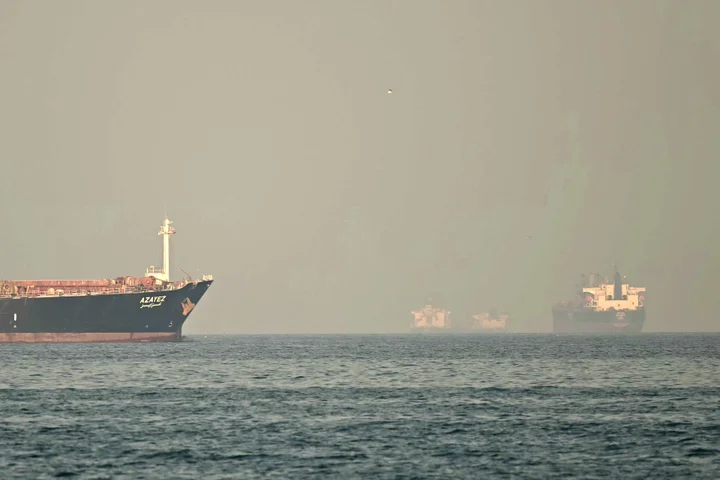
Strait of Hormuz shipping blockade fears are rising after reports that vessels were warned not to pass through one of the world’s most important oil transit routes. The warning was reportedly transmitted to commercial ships following heightened regional tensions involving the United States and Israel, according to information shared with Reuters.
An official linked to the European Union naval mission Aspides said ships operating near the strait received very high frequency radio messages attributed to Iran’s Revolutionary Guards. The reported transmission stated that no ship was allowed to pass through the Strait of Hormuz. The official noted that Iran has not formally confirmed issuing such an order.
Strait of Hormuz Shipping Blockade and Its Global Importance
The Strait of Hormuz shipping blockade would have major global consequences because the waterway is the world’s most vital oil export route. It connects the Persian Gulf to the Gulf of Oman and the Arabian Sea, allowing energy shipments to reach international markets.
Major oil producing countries including Saudi Arabia, Iran, Iraq and the United Arab Emirates depend on the strait to export crude oil and refined petroleum products.
About one fifth of the world’s daily oil consumption moves through this narrow passage. Any sustained Strait of Hormuz shipping blockade would disrupt supply chains, raise transportation costs, and trigger volatility in global energy prices.
Strait of Hormuz Shipping Blockade Warnings to Vessels
According to the EU naval mission official, multiple cargo ships and oil tankers reported receiving the warning while navigating the strait or nearby waters. The message was allegedly linked to Iran’s Revolutionary Guards, a powerful military force tasked with protecting Iran’s strategic interests.
While there has been no official confirmation from Tehran, analysts say the warning itself is significant. Even the possibility of a Strait of Hormuz shipping blockade can lead to higher insurance premiums and rerouted shipping traffic.
Historical Context of Strait of Hormuz Shipping Blockade Threats
Iran has repeatedly threatened a Strait of Hormuz shipping blockade during periods of heightened geopolitical tension. These threats are often framed as retaliation against military action or economic sanctions targeting the Islamic Republic.
Although a full blockade has never been enforced for an extended period, Iran has previously seized vessels and conducted naval drills in the area to assert control over the waterway. Experts believe the latest warning may be strategic signaling rather than an immediate enforcement action.
Market Impact of a Strait of Hormuz Shipping Blockade
Energy markets are highly sensitive to developments in the Strait of Hormuz. Reports of a potential Strait of Hormuz shipping blockade can cause oil prices to rise sharply as traders price in supply risks.
A prolonged disruption would affect not only oil but also liquefied natural gas shipments, impacting electricity generation and manufacturing worldwide. Countries in Europe and Asia that rely heavily on Gulf energy exports would be particularly vulnerable.
International Monitoring and Security Response
International naval forces continue to patrol the region to ensure freedom of navigation. The EU naval mission Aspides is responsible for monitoring maritime threats and sharing intelligence with allied partners.
Diplomatic channels are also expected to remain active as global powers seek to prevent escalation that could destabilize international energy markets.
Outlook for the Strait of Hormuz Shipping Blockade Situation
At present, the Strait of Hormuz shipping blockade remains unconfirmed but highly consequential. Shipping companies, governments, and energy traders are closely watching for official statements or enforcement actions.
Any confirmation of restricted passage would likely trigger immediate diplomatic intervention and further market volatility. Until clarity emerges, the Strait of Hormuz shipping blockade remains a central risk factor in global energy security discussions.
please click here for more news