


The Strait of Hormuz military confrontation has intensified following recent military exchanges between the United States and Iran, raising concerns about regional stability and the security of one of the world’s most important maritime trade routes. Iranian authorities have confirmed that the Port of Sirik remains fully operational despite reports suggesting it was affected during recent US airstrikes.
The latest developments come amid heightened tensions after Washington launched strikes against military targets inside Iran, prompting retaliatory action from Tehran. As the Strait of Hormuz military confrontation continues to evolve, governments and global markets are closely monitoring events because of the waterway’s importance to international energy supplies.
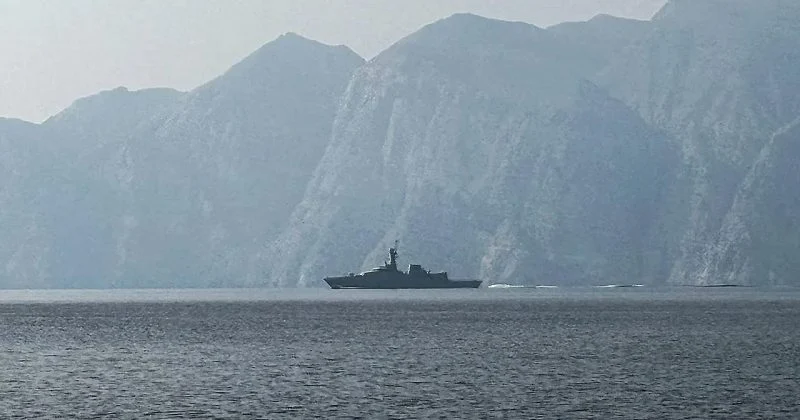

Strait of Hormuz Military Confrontation Continues After US Strikes
Iranian officials said the Port of Sirik, located in Hormozgan Province along the Sea of Oman, did not suffer operational or structural damage during the recent escalation.
Authorities dismissed reports claiming the strategic port had been struck, stating that all facilities remain fully functional.
According to officials responsible for eastern Hormozgan ports, daily operations continue without disruption despite explosions reported near the Taherouyeh dock.
The clarification was issued to reassure commercial shipping operators and counter speculation that critical maritime infrastructure had been damaged during the Strait of Hormuz military confrontation.
Iranian Officials Confirm Port Operations
Officials stated that:
- Port infrastructure remains intact.
- Cargo handling operations continue normally.
- Maritime services have not been interrupted.
- Safety measures remain in place for commercial vessels.
Authorities added that nearby explosions did not affect the port’s operational capabilities.
Reports of Damage Denied
Iranian officials emphasized that no civilian port infrastructure was targeted during the recent military activity.
The government maintains that strategic commercial facilities remain operational despite the broader regional tensions.
What Triggered the Latest Escalation?
The recent Strait of Hormuz military confrontation followed US military operations targeting Iranian coastal radar installations and facilities associated with missile and drone capabilities.
According to US Central Command (CENTCOM), the strikes were carried out in response to a drone attack on a commercial container ship operating near the Strait of Hormuz.
Washington described the operation as a defensive measure aimed at protecting international maritime navigation.
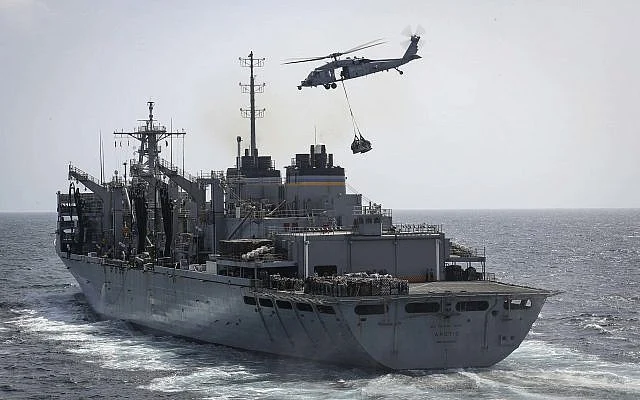

US Response
According to US officials, the military operation focused on:
- Coastal radar installations
- Military command facilities
- Missile-related infrastructure
- Drone program sites
The United States said the strikes targeted military objectives rather than civilian infrastructure.
Iran Responds to US Military Action
Following the strikes, Iranian authorities condemned the operation as a violation of the country’s sovereignty.
Officials stated that the attacks targeted military locations but insisted that ports and civilian infrastructure remained unaffected.
Iran later announced retaliatory military action involving missiles and drones directed at US military positions in the region.
The exchange has fueled concerns that the Strait of Hormuz military confrontation could develop into a broader regional security crisis.
Growing Regional Tensions
Military analysts continue monitoring developments closely because further exchanges could affect:
- Regional security
- International shipping
- Energy markets
- Commercial maritime traffic
Diplomatic efforts are also continuing as several governments call for restraint.
Why the Strait of Hormuz Matters
The Strait of Hormuz military confrontation has attracted global attention because the waterway serves as one of the world’s most strategically important maritime corridors.
The Strait of Hormuz connects the Persian Gulf with the Gulf of Oman and the Arabian Sea, serving as a vital route for international energy exports.
A significant share of global crude oil shipments passes through the narrow waterway every day, making any disruption a concern for international markets.
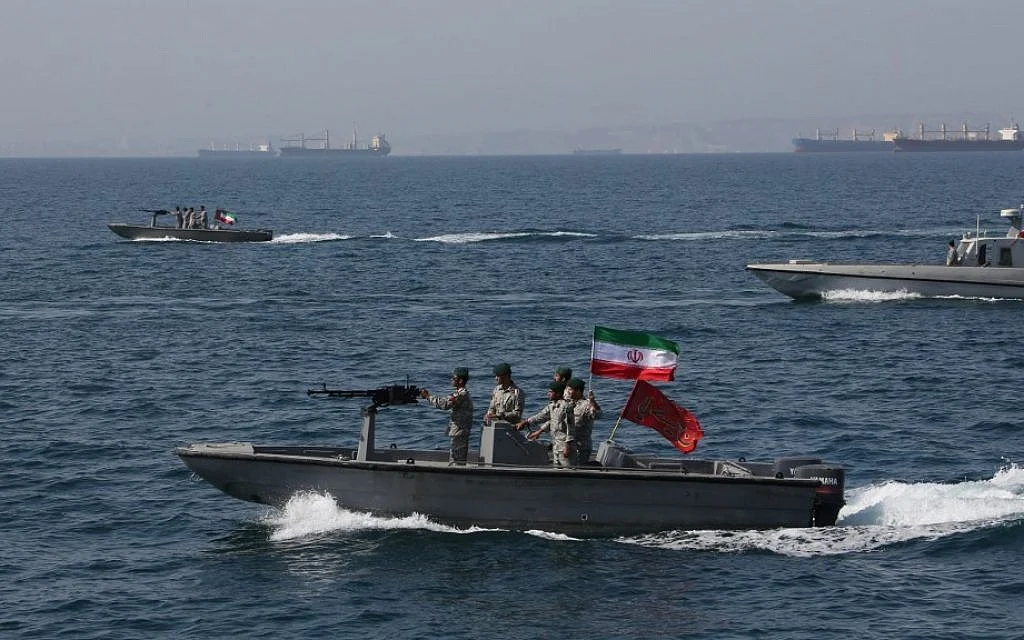

Strategic Importance of Port Sirik
Port Sirik is located along the eastern coastline of Hormozgan Province near the Strait of Hormuz.
Its location makes it strategically significant for:
- Commercial shipping
- Regional maritime logistics
- Energy transportation
- Coastal security operations
Because of its proximity to the shipping corridor, reports involving the port receive considerable international attention.
Global Economic Impact
Any disruption within the Strait of Hormuz could potentially affect:
- Global oil transportation
- Energy prices
- International shipping schedules
- Supply chains
For this reason, governments and financial markets closely monitor developments in the region.
International Attention Remains High
The latest Strait of Hormuz military confrontation has renewed international focus on security across one of the world’s busiest maritime routes.
Several governments continue monitoring the situation while encouraging diplomatic efforts aimed at preventing further escalation.
Security analysts note that maintaining safe navigation through the Strait of Hormuz remains essential for global trade and energy stability.
Frequently Asked Questions
What is the Strait of Hormuz military confrontation?
The Strait of Hormuz military confrontation refers to the recent escalation between the United States and Iran following US strikes on Iranian military targets and Iran’s subsequent retaliatory actions.
Was Port Sirik damaged during the recent strikes?
Iranian authorities stated that Port Sirik remains operational and denied reports that the facility suffered material or operational damage.
Why is the Strait of Hormuz strategically important?
The Strait of Hormuz is one of the world’s busiest energy shipping routes, carrying a significant portion of global oil exports each day.
What prompted the latest military escalation?
According to US officials, recent military strikes were launched in response to a drone attack on a commercial container ship near the Strait of Hormuz. Iran subsequently announced retaliatory military operations.
Conclusion
The Strait of Hormuz military confrontation remains a closely watched international security issue as tensions between the United States and Iran continue. While Iranian officials insist that Port Sirik remains fully operational, military exchanges have heightened concerns over regional stability and the security of one of the world’s most critical maritime trade routes. With diplomatic efforts ongoing, international observers continue monitoring developments that could affect global shipping, energy markets, and broader geopolitical stability.
PLEASE CLICK HERE FOR MORE NEWS


