 0
0
 0
0
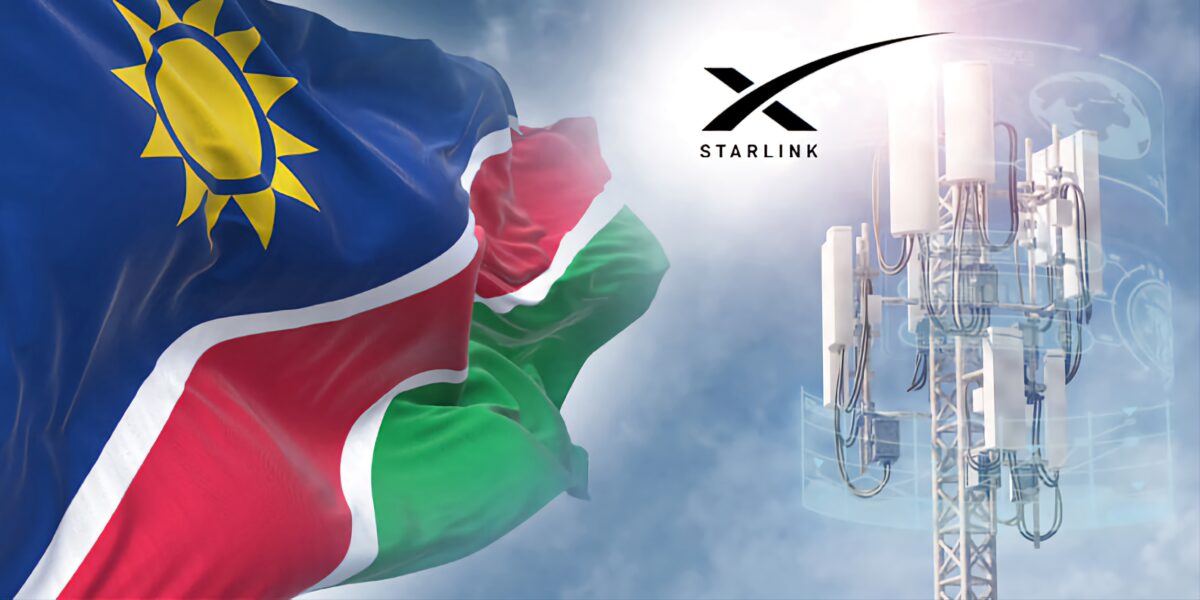
Starlink blocked Namibia 2026 after the Communications Regulatory Authority of Namibia (CRAN) refused the company’s application for a licence to operate satellite internet services. This decision represents a significant regulatory setback for Elon Musk’s Starlink in southern Africa.
Namibia Enforces Local Ownership Laws
Starlink blocked Namibia 2026 highlights the challenges foreign companies face under Namibian law. CRAN cited the company’s failure to meet local ownership requirements, which mandate that at least 51% of shares in any telecommunications company must be held by Namibian citizens or local entities.
Legal Framework and Historical Context
- Namibia gained independence in 1990, adopting policies to promote local ownership and address racial inequalities.
- Telecommunication and business regulations emphasize empowering local citizens through equity participation.
- CRAN’s refusal follows previous actions, including a 2024 order instructing Starlink to cease operations for operating without a licence.
Starlink’s Operations in Africa
- Starlink operates in roughly 25 African countries but has faced regulatory hurdles in South Africa and other regions.
- The company established a local subsidiary in Namibia, intending to partner with local firms and create employment opportunities.
- Despite these efforts, regulatory compliance remains a barrier to launching services.
Elon Musk’s Response and Controversy
Starlink blocked Namibia 2026 adds to Elon Musk’s ongoing disputes with Southern African regulators. Musk has criticized local ownership laws as discriminatory, particularly in South Africa, alleging that black economic empowerment policies have hindered Starlink’s entry.
- Musk claimed on X that Starlink “was not allowed to operate in South Africa simply because I’m not black.”
- The South African government countered, stating that Starlink could operate if it complied with local laws, noting that over 600 U.S. companies, including Microsoft, successfully operate under these policies.
- Black economic empowerment rules were established post-apartheid to address historical racial inequities, including requiring investors to provide at least a 30% stake to local black firms.
Regulatory Challenges and Public Guidance
CRAN’s Enforcement Actions
CRAN’s decision signals continued enforcement of Namibian telecommunication law:
- Advises the public not to purchase Starlink equipment or subscribe to its services, as it would be illegal.
- Offers a 90-day period for reconsideration, either by CRAN’s own motion or via petition by an aggrieved party.
- Emphasizes that compliance with local ownership and licensing regulations is mandatory for foreign telecom operators.
Implications for Satellite Internet in Namibia
- Starlink’s inability to launch may limit high-speed internet access in remote areas.
- Alternatives may include local providers or other satellite networks compliant with Namibian laws.
- The decision may set a precedent for other international telecom companies seeking entry into Namibia.

Starlink satellite dish
Economic and Historical Context
Namibia’s policies reflect a broader strategy to:
- Promote local participation in business and technology sectors.
- Correct historical imbalances from colonial and apartheid-era economic structures.
- Strengthen local employment and entrepreneurship opportunities through foreign partnerships.
Comparison with Neighboring Countries
- South Africa also applies ownership and empowerment requirements for foreign investment.
- Compliance with such laws has allowed multinational companies to operate while supporting local economic inclusion.
- Regulatory alignment ensures that foreign investors respect national sovereignty and historical policies.
Future Outlook for Starlink in Namibia
Starlink blocked Namibia 2026 could be reconsidered if the company adjusts its local ownership structure or files a petition within the 90-day period. Potential developments include:
- Partnership with Namibian firms to meet equity requirements.
- Changes in ownership stakes to comply with national law.
- Engagement with CRAN for approval of operational plans in alignment with regulations.
Regional Satellite Internet Expansion
- Starlink continues operations across Africa where local regulations permit.
- The case underscores the importance of regulatory compliance in international telecom expansion.
- Other African nations may monitor Namibia’s decision to guide their own licensing policies.
FAQ – Starlink Blocked Namibia 2026
Q1: Why was Starlink blocked in Namibia in 2026?
A1: CRAN denied the licence due to non-compliance with local ownership laws requiring at least 51% local shares.
Q2: Has Starlink faced similar challenges elsewhere in Africa?
A2: Yes, Starlink has faced regulatory hurdles in South Africa and other countries due to ownership and licensing requirements.
Q3: Can Starlink reapply for a licence in Namibia?
A3: Yes, CRAN allows reconsideration either on its own or through a petition within 90 days.
Q4: What is the impact on internet access in Namibia?
A4: The blockage may limit high-speed satellite internet for remote areas until Starlink or alternative providers comply with local laws.
Conclusion
Starlink blocked Namibia 2026 highlights the critical role of local ownership and regulatory compliance in satellite internet expansion. While Elon Musk’s company aims to provide high-speed connectivity, national laws and historical policies in Namibia remain decisive. Adjustments to local partnerships or equity structures may determine Starlink’s future entry into the country.
PLEASE CLICK HERE FOR MORE NEWS