


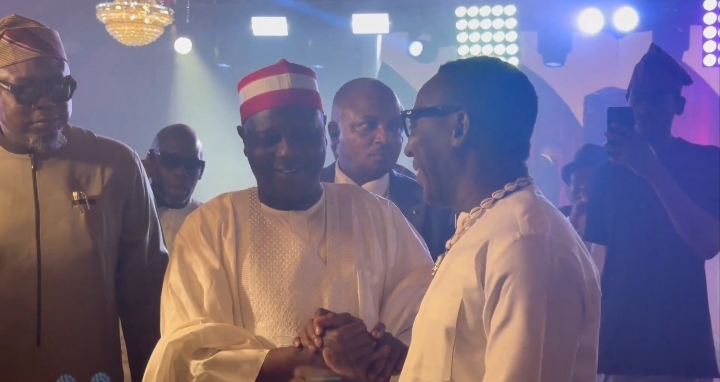
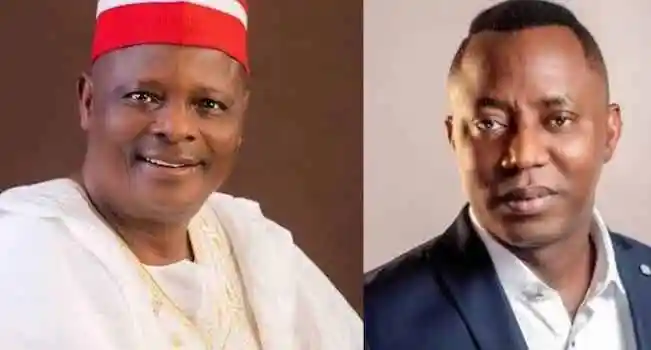
The Sowore Meeting With Kwankwaso has drawn attention following comments made by African Action Congress presidential candidate, Omoyele Sowore, regarding an encounter with former Kano State governor, Rabiu Musa Kwankwaso, days after a controversial protest incident in Abuja.
According to Sowore, the meeting took place during a wedding ceremony attended by both political figures. The discussion reportedly centered on the June 12 Democracy Day protest in the Federal Capital Territory, where police officers dispersed demonstrators using tear gas.
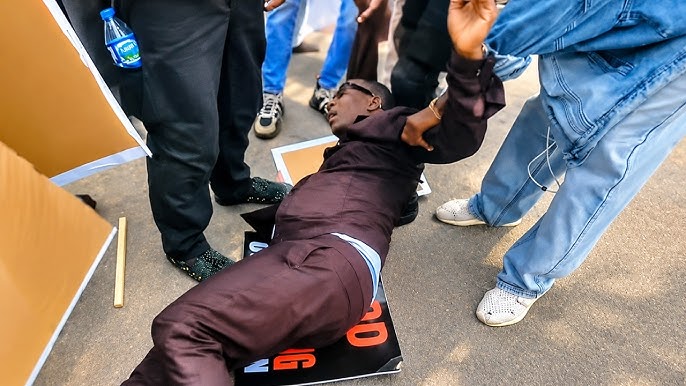
The incident attracted national attention after Sowore collapsed during the protest, leading to renewed debate about crowd-control measures, freedom of assembly, and political reactions to the events that unfolded.

Sowore Reveals Details of the Encounter
Speaking through a post on X, Sowore explained that he met Kwankwaso at the wedding ceremony of a friend’s daughter.
According to him, the former governor acknowledged being aware of what happened during the Democracy Day demonstration and expressed concern regarding the incident.
The Sowore Meeting With Kwankwaso became a talking point after the activist disclosed that while he appreciated the concern shown during their conversation, he believed a public reaction from the former governor would have carried greater significance.
Discussion Focused on Protest Incident
Sowore stated that the conversation touched on the events surrounding the June 12 protest, during which security personnel used tear gas to disperse demonstrators.
The activist suggested that the issue extended beyond a personal experience and reflected broader concerns about the treatment of citizens participating in public demonstrations.
Questions Over Public Response
While acknowledging the private expression of concern, Sowore questioned why Kwankwaso had not publicly condemned the actions of law enforcement officers involved in the incident.
His remarks have generated discussion among political observers regarding the expectations placed on public figures when addressing controversial national events.
Background to the Abuja Democracy Day Protest
The protest took place in Abuja as part of activities marking Democracy Day in Nigeria.
Participants reportedly gathered to draw attention to growing concerns over national security challenges and recent killings recorded in parts of the country.
Organizers and participants argued that peaceful demonstrations remain an important avenue for citizens to express concerns and seek accountability from public institutions.
Demonstrators Raise Security Concerns
Several protesters used the event to highlight issues including:
- Rising insecurity in some regions.
- Concerns about public safety.
- Calls for improved government responses to violent incidents.
- Demands for greater accountability from public institutions.
The demonstration attracted activists, civil society members, and concerned citizens who assembled in the Federal Capital Territory.
Tensions Escalate During March
Eyewitness accounts indicated that tensions increased when protesters attempted to move beyond an area designated by security personnel.
Reports suggested that officers responded by deploying tear gas canisters in an effort to prevent the crowd from advancing further.
The resulting confusion caused many participants to scatter as authorities sought to maintain control of the situation.
Sowore Collapses During Demonstration
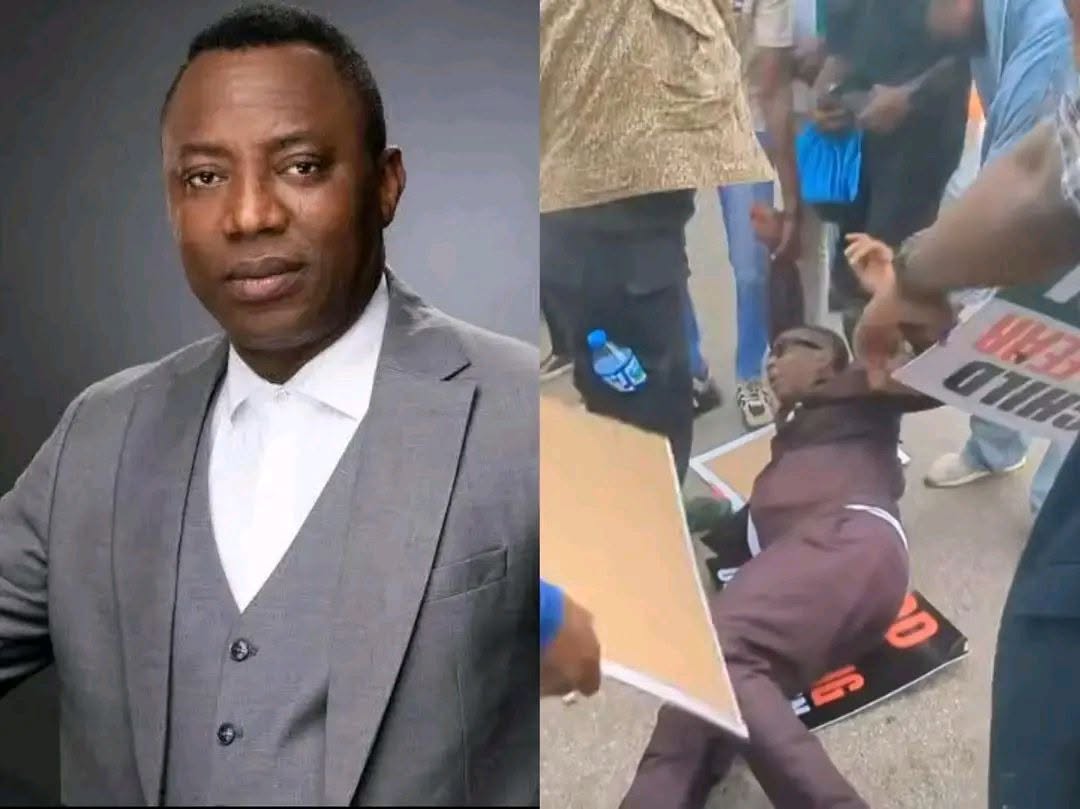
One of the most widely reported moments from the protest involved Sowore collapsing after being exposed to tear gas.
Witnesses stated that he was among the leading figures at the front of the march when the substance was released.
The incident quickly circulated across social media platforms and news outlets, prompting reactions from supporters, critics, and political commentators.

Eyewitness Accounts of the Incident
Individuals present at the protest described a chaotic scene as tear gas spread through the crowd.
Many protesters reportedly struggled to avoid the fumes, while others moved quickly away from the affected area.
The situation temporarily disrupted the demonstration and heightened concerns about the methods used to disperse participants.
Medical and Safety Concerns
Exposure to tear gas can lead to temporary effects such as:
- Breathing difficulties.
- Eye irritation.
- Coughing.
- Discomfort in the nose and throat.
- Temporary disorientation.
The collapse of a prominent participant intensified public discussion regarding the proportionality of crowd-control measures employed during peaceful gatherings.
Sowore Criticizes Police Response
Following the event, Sowore strongly criticized the actions of security personnel involved in dispersing the demonstration.
He characterized the incident as an unprovoked attack and alleged that an unidentified gas substance had been deployed at close range.
The activist argued that the response represented an attempt to discourage citizens from exercising their constitutional rights to peaceful assembly and protest.
Claims of Excessive Force
Sowore maintained that the tactics used during the protest went beyond what was necessary for crowd management.
His comments have added to ongoing debates about balancing public order responsibilities with the protection of civil liberties.
Commitment to Future Demonstrations
Despite the incident, Sowore reiterated his intention to continue participating in public demonstrations.
He emphasized that citizens should be able to express opinions and concerns through peaceful means without fear of intimidation.
Political Reactions and Public Debate
The Sowore Meeting With Kwankwaso has sparked wider discussions within Nigeria’s political landscape.
Observers have noted that reactions from prominent political figures often influence public perception of controversial events.
Some commentators argue that private conversations between leaders can help foster understanding, while others believe public statements are necessary when issues involve significant public interest.
Importance of Political Responses
Political leaders are frequently expected to comment on incidents that generate national attention.
Public reactions can:
- Clarify positions on important issues.
- Demonstrate solidarity with affected individuals.
- Encourage accountability.
- Shape broader public discourse.
The debate surrounding the Abuja protest has highlighted differing views regarding these expectations.
Continued Focus on Civil Liberties
The events of June 12 have also renewed attention on constitutional rights, particularly the right to peaceful assembly and expression.
Civil society groups and political stakeholders continue to discuss the role of law enforcement agencies in managing public demonstrations while respecting fundamental rights.
What the Incident Means Going Forward
The conversation between Sowore and Kwankwaso has become part of a broader national discussion about protest rights, security operations, and political responsibility.
Although the encounter itself was brief, the issues raised during the exchange continue to resonate among activists, political observers, and members of the public.
As discussions surrounding the Abuja protest continue, attention is likely to remain focused on how political leaders, security agencies, and citizens engage with questions of accountability, public safety, and democratic participation.

FAQ
What did Sowore say about his meeting with Kwankwaso?
Sowore said he met Rabiu Musa Kwankwaso at a wedding ceremony and that they discussed the June 12 Democracy Day protest incident in Abuja.
Why is the Sowore Meeting With Kwankwaso attracting attention?
The meeting has gained attention because Sowore disclosed that Kwankwaso expressed concern over the protest incident but had not publicly condemned the actions of law enforcement officers.
What happened during the Abuja Democracy Day protest?
The protest focused on security concerns and recent killings. Police reportedly used tear gas to disperse demonstrators after tensions escalated during the march.
Why did Sowore collapse during the protest?
According to reports and eyewitness accounts, Sowore collapsed after inhaling tear gas deployed during the demonstration.
In conclusion, the Sowore Meeting With Kwankwaso has added another dimension to the ongoing conversation surrounding the June 12 Abuja protest. While the encounter highlighted concerns about the treatment of demonstrators and the role of political leaders in responding to such events, it also underscored broader discussions about civil liberties, public accountability, and democratic participation in Nigeria.
Click here for more news


