



The South Korea local election results are drawing widespread attention after exit polls projected significant gains for the ruling Democratic Party in a nationwide vote widely viewed as a major test of President Lee Jae Myung’s leadership.
Voters across South Korea headed to the polls to elect mayors and governors in 16 cities and provinces, marking the first major national electoral contest since Lee secured victory in the presidential election the previous year. The outcome is being closely watched by political analysts, investors, and international observers seeking clues about public sentiment toward the government’s policies and future political direction.
According to preliminary exit poll data released after voting concluded, the Democratic Party appeared poised to expand its political influence across much of the country. However, several closely contested races, particularly in Busan, left uncertainty over whether the ruling party would achieve a complete landslide victory.


South Korea Holds First Major Vote Since Presidential Election
The latest South Korea local election results come at an important moment in the country’s political landscape.
A Test of President Lee Jae Myung’s First Year
The local elections have been widely interpreted as a referendum on President Lee Jae Myung’s performance during his first year in office.
Since taking power, Lee’s administration has pursued economic policies focused on household financial stability, market reforms, and government spending measures designed to ease the burden of rising living costs.
Many voters viewed the election as an opportunity to either endorse or challenge the direction of the current administration.
Elections Across 16 Major Regions
Citizens voted for leadership positions in:
- Major metropolitan cities
- Provincial governments
- Local administrative jurisdictions
The elections included races for mayors and governors across South Korea’s most politically significant regions.
Importance of Local Governments
Local governments play a critical role in South Korea’s governance system.
Regional leaders oversee:
- Infrastructure projects
- Economic development initiatives
- Public transportation systems
- Housing and welfare programs
- Local education and public services
As a result, local elections often provide valuable insight into broader national political trends.
Exit Polls Show Strong Democratic Party Performance
Early South Korea local election results suggest the ruling Democratic Party enjoyed substantial support across many key constituencies.
Democratic Party Leads Majority of Major Races
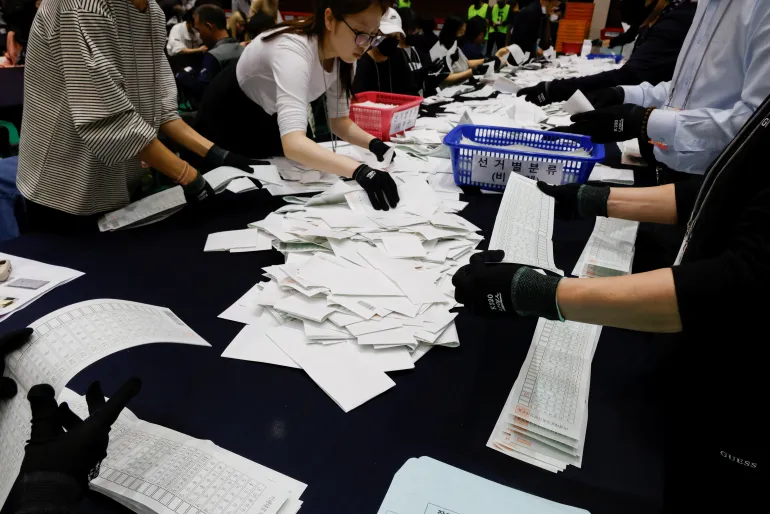
According to exit poll projections, the Democratic Party was leading in 11 of the 16 major mayoral and gubernatorial contests.
Meanwhile:
- The People Power Party was leading in one race.
- Four contests remained too close to call.
If confirmed, the results would represent one of the strongest local election performances for the Democratic Party in recent years.

Key Wins in the Greater Seoul Area
One of the most significant developments was the party’s projected lead in Seoul.
Seoul Remains Political Centerpiece
Seoul is South Korea’s capital city and remains the country’s most influential political and economic center.
Winning Seoul is often viewed as a major indicator of national political strength.
Exit polls suggested the Democratic Party candidate held a clear advantage in the city.
Gyeonggi Province and Incheon
The ruling party also appeared to be ahead in:
- Gyeonggi Province
- Incheon Metropolitan City
Together with Seoul, these regions make up the greater Seoul metropolitan area, home to a substantial portion of South Korea’s population.
Strong performances in these areas could significantly strengthen the ruling party’s overall political position.
Busan Emerges as Key Battleground
Despite positive projections elsewhere, the South Korea local election results revealed a highly competitive race in Busan.
Why Busan Matters
Busan is South Korea’s second-largest city and has traditionally been considered a stronghold for conservative politics.
Historically, conservative parties have performed well in the region, making it a symbolic battleground for national political influence.
Tight Contest Between Major Parties
Exit polls indicated a very narrow margin between the Democratic Party candidate and the People Power Party candidate.
The race remained within the margin of error, making it difficult to predict the final outcome immediately after voting ended.
Potential Impact of Busan Result
A victory in Busan would provide the Democratic Party with an additional political boost and further demonstrate its growing appeal beyond traditional support bases.
However, a conservative victory would offer the opposition a significant opportunity to maintain influence in one of its strongest regions.
Factors Influencing Voter Sentiment
Several economic and political issues played important roles in shaping voter opinions before the election.
Economic Policies and Market Performance
Supporters of the government pointed to several positive developments.
Stock Market Growth
South Korea’s benchmark stock index recorded strong gains during Lee’s first year in office.
Financial analysts attributed part of this performance to:
- Corporate governance reforms
- Investor confidence measures
- Pro-market economic policies
Government Spending Measures
The administration also introduced spending initiatives aimed at reducing the impact of:
- Rising energy prices
- Inflationary pressures
- Household financial burdens
These measures received favorable responses from some segments of the electorate.
Ongoing Criticism of the Administration
Despite positive economic indicators, critics raised concerns about several issues.
Housing Affordability Challenges
Housing prices and affordability remained significant concerns for many South Koreans.
Some critics argued that government policies had not adequately addressed housing market pressures.
Political and Legal Controversies
Opponents also accused the administration of using political influence to protect allies facing legal scrutiny.
These allegations became part of broader political debates during the election campaign period.
Challenges Facing the People Power Party
The South Korea local election results also serve as a critical test for the opposition People Power Party.
Recovery After Political Turbulence
The party has faced significant challenges since the fallout surrounding former President Yoon Suk Yeol’s controversial martial law episode in 2024.
Political analysts suggested that rebuilding public trust has been a central objective for the conservative opposition.
Importance of Local Election Performance
Strong results in local elections could help the party:
- Rebuild organizational momentum
- Strengthen regional influence
- Prepare for future national contests
Conversely, major losses could further weaken its political standing.
Parliamentary By-Elections Add Additional Interest
Alongside the local elections, several parliamentary by-elections were also held.
Closely Watched Races
Political observers closely monitored contests in areas such as:
- Pyeongtaek
- Busan’s Buk-A district
These races attracted attention because of their potential implications for future political alignments and party strategies.
Competitive Multi-Candidate Contests
Several districts featured highly competitive contests involving:
- Democratic Party candidates
- People Power Party candidates
- Independent candidates
- Smaller party representatives
These races highlighted the diversity of political competition within South Korea.
What a Democratic Party Victory Could Mean
If exit poll projections are confirmed, the Democratic Party would significantly strengthen its political position.


Greater Political Influence
The party already controls:
- The presidency
- The national parliament
Additional gains in local government would create one of the strongest concentrations of political power seen in South Korea in recent years.
Policy Continuity Expected
Analysts generally expect policy continuity rather than dramatic changes.
Areas likely to remain priorities include:
- Economic reform
- Fiscal spending initiatives
- Corporate governance improvements
- Diplomatic engagement with North Korea
Long-Term Political Implications
A strong electoral performance could provide President Lee with a stronger mandate to continue implementing his policy agenda during the remainder of his term.
FAQ
What do the South Korea local election results show?
Exit polls indicate that the ruling Democratic Party is leading in most major mayoral and gubernatorial races across the country.
Why are these local elections important?
The elections are widely viewed as a test of President Lee Jae Myung’s first year in office and a measure of public support for his administration.
Which regions are most significant in the election?
Seoul, Gyeonggi Province, Incheon, and Busan are among the most closely watched regions because of their political and demographic importance.
What impact could the election have on South Korean politics?
A strong Democratic Party performance could strengthen the ruling party’s influence at both national and local levels while shaping future policy priorities.
The South Korea local election results suggest that the ruling Democratic Party is on course for substantial gains across key regions of the country. While several races remain too close to call, especially in Busan, the overall projections indicate continued public support for the administration’s political and economic agenda. Official results are expected to provide a clearer picture of the country’s evolving political landscape and the balance of power between South Korea’s major parties.
Click here for more news


