


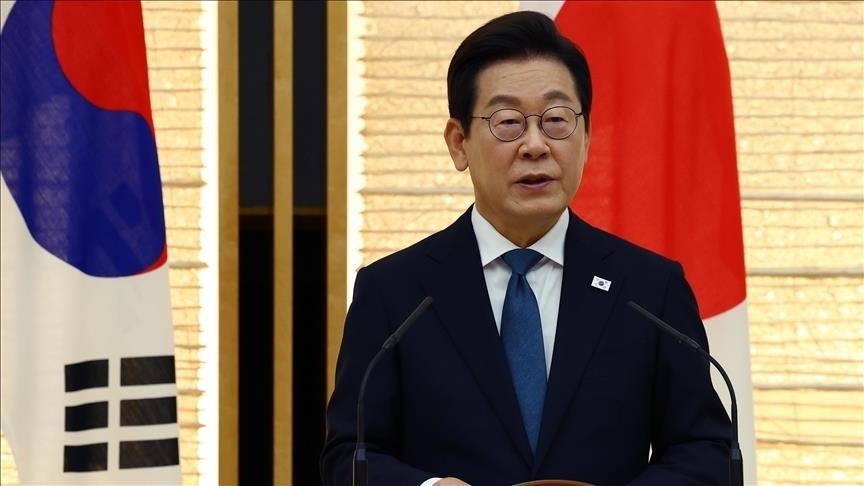
The South Korea Gaza flotilla detention issue has sparked international attention after South Korean President Lee Jae-myung strongly condemned the detention of South Korean nationals aboard a humanitarian aid flotilla bound for Gaza. The president questioned the legality of Israel’s actions, describing the incident as a possible violation of international law.
The situation has added to growing global debate over maritime law, humanitarian access to Gaza, and the enforcement of international legal frameworks in conflict zones.


South Korea Criticizes Detention of Nationals in International Waters
South Korean President Lee Jae-myung raised serious concerns during a cabinet meeting, focusing on the detention of citizens who were aboard vessels intercepted while traveling through international waters.
President Questions Legal Basis of Detention
The South Korea Gaza flotilla detention case centers on whether the interception and arrest of civilians on humanitarian missions can be justified under international law.
Key points raised include:
- Detention of South Korean nationals in international waters
- Lack of clear legal justification for interception
- Concerns over violation of maritime freedom
Government Monitoring of the Situation
The South Korean government stated that it is closely monitoring developments related to the detained citizens and the broader flotilla operation.
Officials emphasized:
- Continuous diplomatic assessment
- Protection of citizens abroad
- Evaluation of legal responses
Lee Jae-myung Calls Detention an Overreach
During the cabinet meeting, President Lee described the actions as a serious overreach, questioning whether such operations could be justified under existing international legal frameworks.
Strong Language on International Law Concerns
Lee’s remarks highlighted concerns that the detention may not align with established maritime and humanitarian law principles.
Key statements included:
- Detention in international waters lacks justification
- Actions may represent excessive enforcement
- Need for accountability under global law
Emphasis on Diplomatic Monitoring
The South Korea Gaza flotilla detention issue has prompted Seoul to maintain close diplomatic observation while assessing possible responses.
Gaza Flotilla Interception and Mission Background
The flotilla involved in the incident was part of a humanitarian mission aimed at delivering aid to Gaza through maritime routes.


Details of the Flotilla Operation
The mission, known as the Global Steadfastness Flotilla, included multiple vessels carrying humanitarian aid.
Key details include:
- Departure from Turkey
- Route through international waters near Cyprus
- Aim: Deliver humanitarian assistance to Gaza
- Participants: International activists and aid workers
Reports of Detention During Operation
Reports indicate that dozens of participants were detained after Israeli forces intercepted the vessels during their journey.
Humanitarian Claims and International Response
Organizers of the flotilla stated that the mission was peaceful and intended solely for humanitarian assistance to civilians in Gaza.
Humanitarian Objectives of the Mission
The flotilla organizers emphasized that the operation was designed to:
- Deliver essential aid supplies
- Highlight humanitarian conditions in Gaza
- Operate under peaceful intent
Rising Global Concern
The South Korea Gaza flotilla detention incident has contributed to broader international discussions regarding:
- Access to humanitarian aid
- Maritime security operations
- Legal protections for civilians
Debate Over International Law and ICC Context
President Lee also referenced broader international legal debates, including discussions surrounding the International Criminal Court (ICC) and its arrest warrant for Israeli Prime Minister Benjamin Netanyahu.
International Legal Discussions
The issue has drawn attention to how different countries interpret and respond to ICC rulings.
Key legal themes include:
- Enforcement of international arrest warrants
- Sovereignty in legal interpretation
- Role of international courts in conflict situations
South Korea’s Independent Position
Lee emphasized that South Korea will determine its stance independently while observing global developments.
Growing Tensions Over Gaza Humanitarian Access
The incident adds to ongoing tensions surrounding humanitarian access to Gaza, where restrictions and blockades have repeatedly drawn international scrutiny.
Concerns Raised by Global Observers
Observers have highlighted several ongoing issues:
- Limited humanitarian access routes
- Risks faced by aid missions
- Repeated maritime interceptions

Continued Diplomatic Attention
The South Korea Gaza flotilla detention case is now part of a wider international conversation about balancing security concerns with humanitarian obligations.
FAQ
Why did South Korea condemn the Gaza flotilla detention?
South Korea condemned the detention because its citizens were held in international waters during a humanitarian mission.
What is the Gaza flotilla incident about?
It involves the interception of a humanitarian aid convoy traveling to Gaza, with several activists reportedly detained.
What legal concerns were raised by South Korea?
Concerns include possible violations of international maritime law and lack of justification for detaining civilians at sea.
What is the Global Steadfastness Flotilla?
It is a humanitarian mission involving international activists aiming to deliver aid to Gaza via sea routes.
Conclusion
The South Korea Gaza flotilla detention issue highlights rising international concerns over maritime law, humanitarian access, and the treatment of civilians involved in aid missions. As diplomatic discussions continue, the case underscores the complexity of balancing security operations with international legal obligations and humanitarian principles.
Click here for more news


