 0
0
 0
0
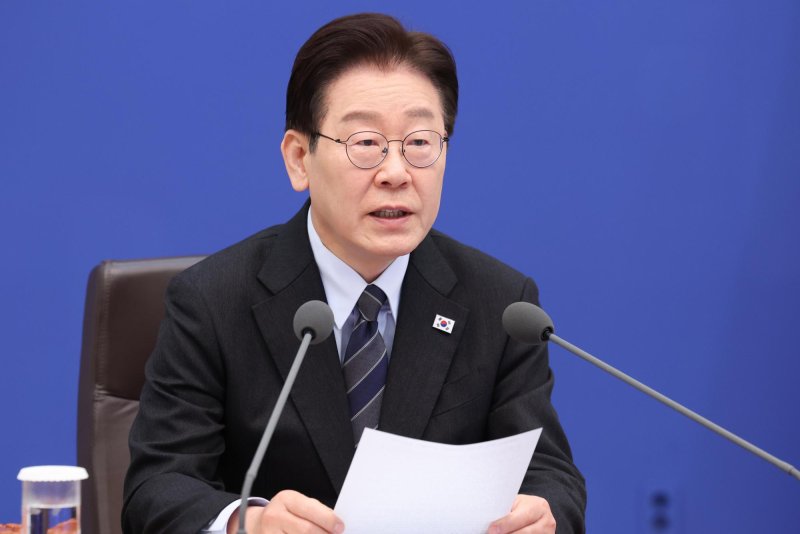
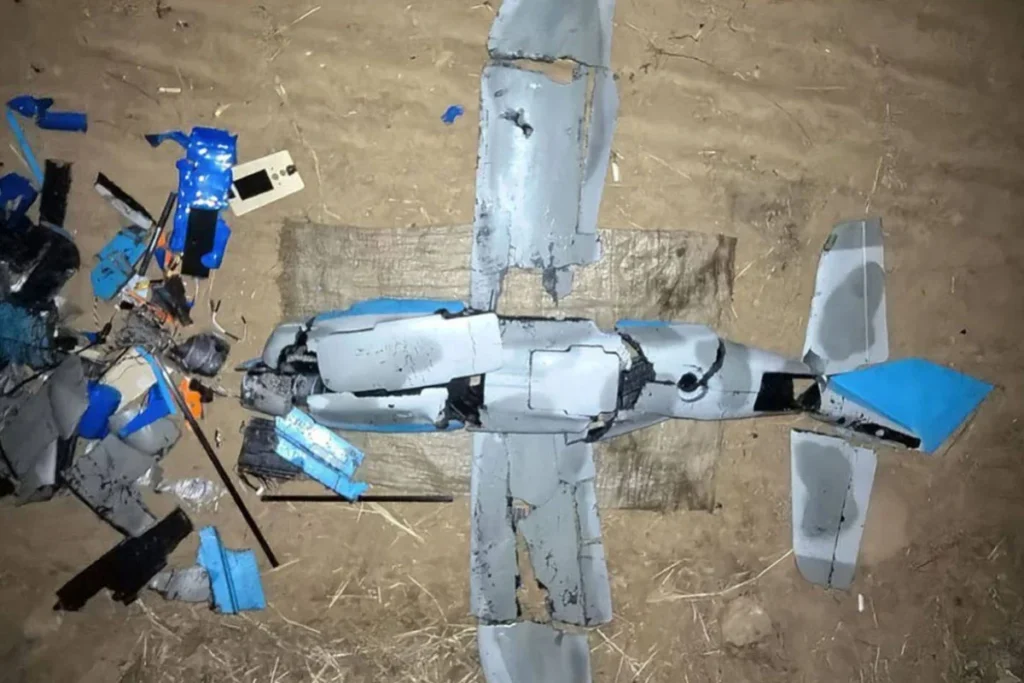
South Korea drone flights North Korea 2026 have triggered renewed attention on security, diplomacy, and civilian oversight on the Korean Peninsula. On March 9, 2026, President Lee Jae Myung expressed regret over individual drone incursions into North Korean airspace, emphasizing the risks of escalating military tension. These incidents underline the fragile nature of inter-Korean relations in the current geopolitical climate.
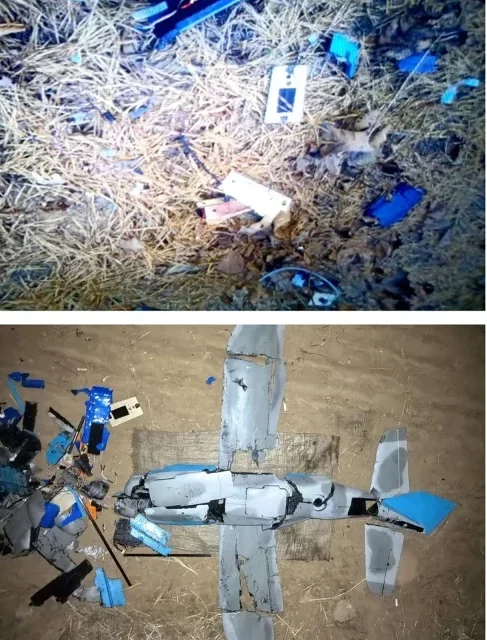
Overview of Drone Incidents
Between September 2025 and January 2026, South Korean prosecutors indicted three individuals for unauthorized drone flights into North Korea.
Individuals Involved
- A graduate student in his 30s
- An employee of the National Intelligence Service
- A military officer
Although these drone flights were not sanctioned by the South Korean government, they heightened security concerns and drew sharp attention from both Seoul and Pyongyang. The South Korea drone flights North Korea 2026 incidents show how individual actions can have significant diplomatic consequences.
Presidential Statement
During a Cabinet meeting, President Lee stated:
“Although this was not an act by our government, I express regret to the North Korean side over the unnecessary military tension caused by such reckless behavior.”
This is the first time President Lee directly expressed regret to North Korea regarding these incidents, marking a new step in Seoul’s approach to crisis management.
Civilian Restrictions and National Security
South Korea enforces strict regulations prohibiting civilians from engaging in actions that could provoke North Korea.
Presidential Emphasis on Caution
President Lee stressed that even actions perceived as strategic must be carried out with caution:
- Unauthorized drone flights are deemed reckless and unacceptable.
- Civilians and officials alike must adhere to regulations to prevent diplomatic fallout.
The South Korea drone flights North Korea 2026 events highlight why strict enforcement and oversight are essential to maintaining peace.
Public Anxiety and Border Concerns
Residents near border areas experienced heightened anxiety following these incidents. President Lee acknowledged these concerns, urging swift preventive measures and emphasizing the broader responsibility of government oversight in protecting border communities.
Diplomatic Implications
The drone flights have important implications for inter-Korean relations and regional stability.
North Korea’s Response
Since taking office in June 2025, President Lee has attempted to resume dialogue with Pyongyang. However, North Korea has consistently rebuffed these efforts. In February 2026, Pyongyang formally described South Korea as the “most hostile state” in a parliamentary address.
Importance of Responsible Action
Lee emphasized that South Korea must uphold a responsible approach to peace:
- Careful monitoring of international developments is critical.
- Even unauthorized individual actions must not compromise the stability of the Korean Peninsula.
The South Korea drone flights North Korea 2026 incidents serve as a reminder of the potential diplomatic consequences of private actions.

Government Measures and Future Steps
President Lee called on relevant ministries to revise regulations and implement stronger preventive measures.
Regulatory Revisions
Potential measures include:
- Stricter penalties for unauthorized drone flights
- Enhanced border surveillance and drone detection systems
- Public campaigns to raise awareness about legal limitations on drone usage
Strategic Monitoring
Lee stressed the importance of continuous monitoring of global security dynamics to ensure South Korea acts responsibly while mitigating risks of conflict escalation.
Historical Context of Drone Concerns
Drone incursions are part of a broader security challenge in South Korea:
- Previous drone incidents triggered military alerts and temporary border restrictions.
- Civilian and private drone operations are tightly regulated to prevent diplomatic strain.
- The South Korea drone flights North Korea 2026 events reflect increasing tensions amid stalled inter-Korean talks and regional uncertainties.
Long-Term Significance
The March 2026 drone cases underscore several points for South Korea’s national security:
- Individual actions, even unsanctioned, can have disproportionate geopolitical consequences.
- Maintaining peace requires strict domestic oversight and proactive diplomacy.
- President Lee’s expression of regret sets a precedent for future crisis management of civilian-provoked tensions.
FAQ
Q: Who was involved in the South Korea drone flights North Korea 2026 incidents?
A: Three individuals were indicted: a graduate student, a National Intelligence Service employee, and a military officer.
Q: Why did President Lee express regret over these drone flights?
A: He cited the unnecessary military tension caused by unauthorized civilian drone flights into North Korea.
Q: What measures is South Korea taking to prevent similar incidents?
A: Proposed measures include stricter regulations, improved surveillance, and public awareness campaigns on drone restrictions.
Q: How has North Korea reacted to South Korea’s diplomatic efforts?
A: North Korea has rejected dialogue attempts and labeled South Korea as the “most hostile state” in February 2026.
Conclusion
The South Koreadrone flights North Korea 2026 incidents highlight the delicate balance between civilian activity, national security, and diplomacy. While individual actions caused temporary tension, President Lee’s measured response demonstrates Seoul’s commitment to responsible governance and peace. Strengthened regulations, preventive measures, and careful oversight remain essential to avoiding similar provocations in the future.