


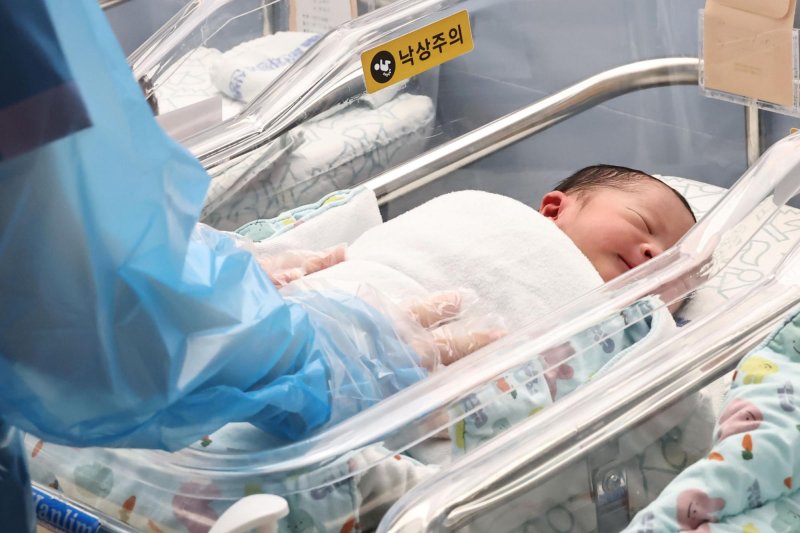
south Korea birth rate increase has been recorded as the country reported a sharp rise in newborn deliveries, reaching a seven-year high in March amid a growing number of marriages.
Government data released by the Ministry of Data and Statistics showed that births rose significantly compared to the same period last year, marking one of the strongest improvements in recent demographic trends.
The increase is being closely monitored as South Korea continues to face long-term population challenges driven by historically low fertility rates.
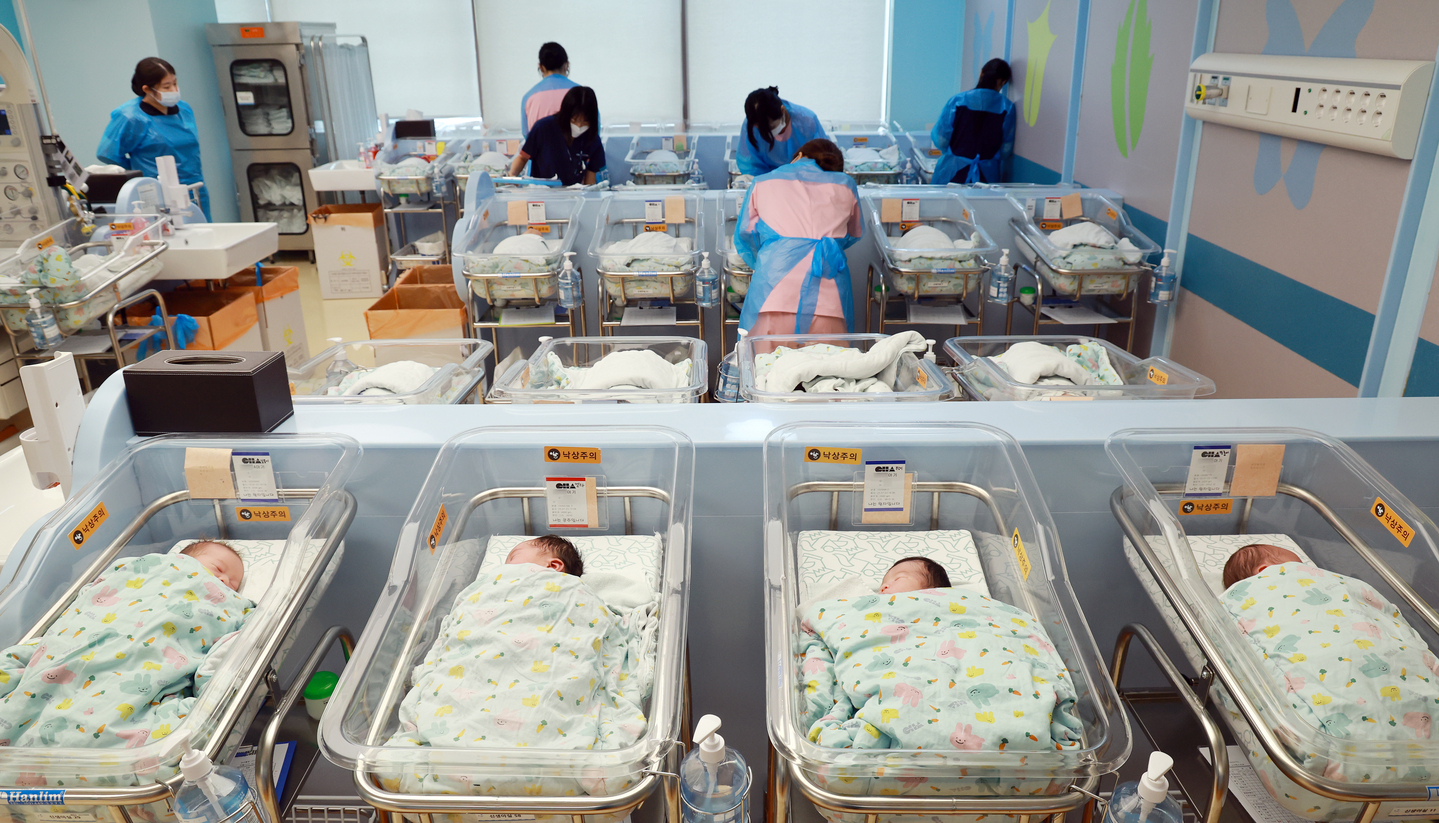

Births Rise to Highest Level Since 2019
South Korea recorded a notable jump in the number of babies born in March, reaching levels not seen in several years.
According to official data, the country continues to experience gradual improvement in birth statistics following a prolonged period of demographic decline.
Monthly Birth Figures Show Strong Growth
In March alone, 25,200 babies were born, representing a 19.4 percent increase compared to the same month in the previous year.
This marks the highest monthly total since March 2019, when 27,049 births were recorded.
The South Korea birth rate increase reflects a broader upward trend that began gaining momentum in mid-2024.
Quarterly Birth Data Also Improves
Between January and March, total births reached 75,013, representing a 14.8 percent increase compared to the same period last year.
This also represents the strongest first-quarter performance since 2019, signaling sustained improvement rather than a short-term spike.
Rising Marriages Drive Birth Increase
One of the key factors behind the recent demographic shift is the increase in marriage registrations across the country.
Officials say more couples entering marriage has contributed directly to the rise in childbirth numbers.
Marriage Statistics Show Steady Recovery
In March, marriages increased by 10.1 percent year-on-year, totaling 21,112 unions.
The South Korea birth rate increase has been linked to this rise in marriages, as family formation patterns begin to recover after previous declines.
Lunar New Year Impact on Data Trends
Authorities noted that earlier fluctuations in marriage figures were affected by the Lunar New Year holiday period.
- Marriages rose for 22 consecutive months before February
- February saw a temporary decline due to fewer working days
- March data reflects a return to stable reporting conditions
These seasonal effects are common in demographic reporting across the country.
Fertility Rate Shows Slight Improvement
Alongside rising births, South Korea also recorded a modest increase in its total fertility rate.
While the figure remains low by global standards, it signals gradual improvement compared to previous years.
What the Fertility Rate Means
The total fertility rate represents the average number of children a woman is expected to have during her lifetime.
In March, the rate increased by 0.15 compared to a year earlier, reaching 0.93.
Long-Term Population Concerns Remain
Despite the increase, the fertility rate remains far below the replacement level of 2.1 children per woman needed to maintain a stable population.
Key challenges include:
- High cost of living
- Housing affordability issues
- Work-life balance concerns
- Delayed marriages and childbirth
The South Korea birth rate increase therefore represents improvement, but not yet a full demographic recovery.
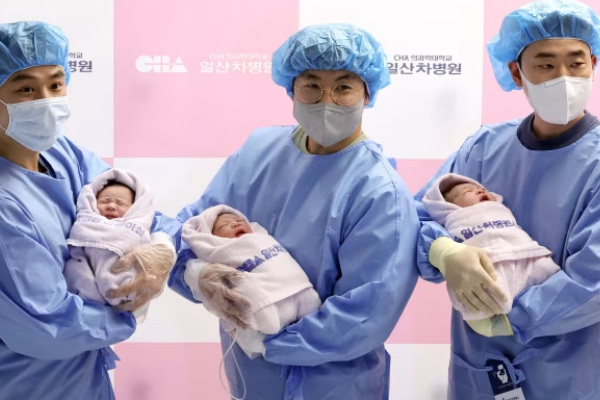

Birth Trend Shows Sustained Upward Movement
Government data indicates that the rise in births is not an isolated event but part of a continuing trend.
Growth Since Mid-2024
Statistics show that the number of newborns has been steadily increasing since July 2024.
This suggests that recent policy measures and social changes may be gradually influencing family planning decisions.
Possible Contributing Factors
Experts point to several possible reasons behind the upward movement:
- Increased marriage rates
- Post-pandemic social stabilization
- Government support policies for families
- Changing attitudes toward childbirth
While no single factor fully explains the trend, combined influences appear to be contributing to the rise.
Government Monitoring Demographic Shifts
Authorities continue to closely track population changes due to South Korea’s long-term demographic challenges.
Importance of Population Data
Accurate birth and marriage statistics are essential for:
- Economic planning
- Labor market forecasting
- Social welfare policies
- Education system planning
The South Korea birth rate increase is therefore being analyzed within broader national planning strategies.
Policy Focus on Population Stability
The government has introduced several measures in recent years aimed at encouraging childbirth and supporting families.
These include financial incentives, parental leave improvements, and childcare support programs.
Economic and Social Implications
Demographic trends in South Korea have wide-ranging effects on both society and the economy.
Labor Market Considerations
A declining population can lead to labor shortages over time, impacting productivity and economic growth.
An increase in births may help stabilize future workforce projections if the trend continues.
Social Structure Changes
Population changes also influence:
- School enrollment levels
- Housing demand
- Healthcare systems
- Elderly care services
The South Korea birth rate increase may help ease some long-term demographic pressure if sustained.

FAQ
Why did South Korea’s birth rate increase in March?
Births increased due to higher marriage rates and a continued upward trend that began in mid-2024.
What is South Korea’s current fertility rate?
The total fertility rate rose to 0.93 in March, though it remains below replacement level.
How many babies were born in South Korea in March?
A total of 25,200 babies were born in March, the highest monthly figure in seven years.
Is South Korea’s population problem solved?
No, despite recent improvements, the country still faces long-term population decline challenges.
Conclusion
The recent rise in births highlights a positive but still fragile demographic shift in South Korea. While increasing marriages and birth figures suggest early signs of recovery, the country continues to face structural challenges tied to low fertility rates. Sustained policy efforts and social changes will be necessary to maintain and strengthen this upward trend in the coming years.
Click here for more news


