


South Africa interest rate hike measures continued on Thursday after the country’s central bank increased its benchmark interest rate by 25 basis points to 7%. The decision comes as inflation pressures intensify following rising fuel prices and broader global economic uncertainty linked to geopolitical tensions.
The move by the South African Reserve Bank reflects growing concerns about inflation stability and economic risks facing Africa’s most industrialized economy.
South African Reserve Bank Raises Interest Rate
The South Africa interest rate hike was announced after policymakers concluded that tighter monetary policy was necessary to control inflation and maintain economic stability.

Benchmark Rate Increased to 7%
The latest increase raised the central bank’s repo rate from 6.75% to 7%. According to officials, the decision was aimed at ensuring inflation returns to target levels over the medium term.
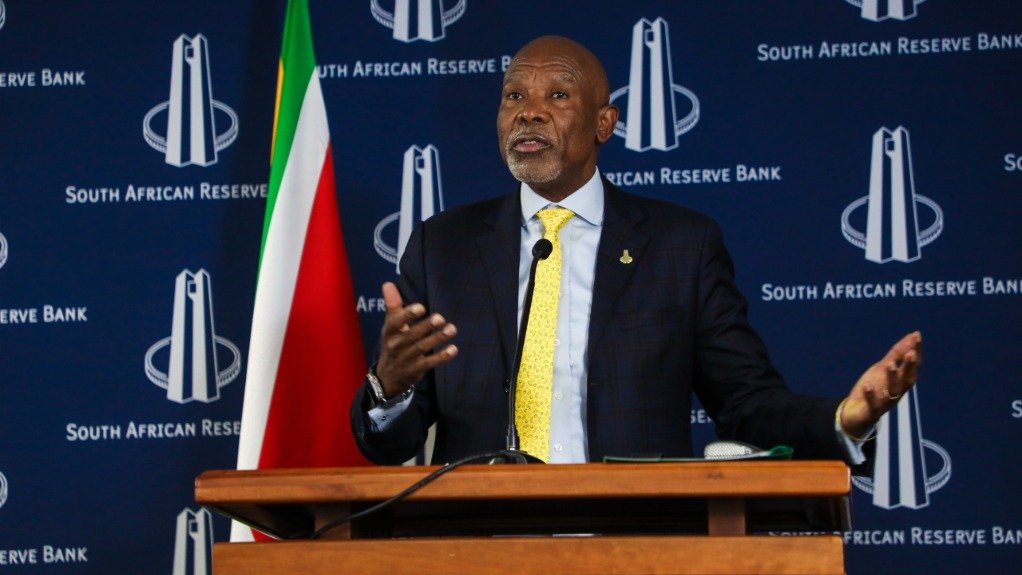
Lesetja Kganyago and the monetary policy committee emphasized that inflation risks remain elevated despite efforts to stabilize prices.
Economists Expected the Rate Increase
Most economists surveyed ahead of the decision had anticipated the 25-basis-point increase. Analysts cited accelerating inflation and global energy market pressures as key reasons behind the expected move.
The South Africa interest rate hike aligns with broader concerns across emerging markets about inflation caused by higher fuel and commodity prices.
Inflation Accelerates in South Africa
The central bank’s decision follows a sharp increase in inflation during April 2026.
Fuel Prices Drive Inflation Higher
Annual inflation rose to 4.0% in April compared to 3.1% in March. Officials say fuel price increases played a major role in the jump.
Global oil market disruptions linked to tensions involving Iran and regional conflicts contributed to rising transportation and energy costs.
Central Bank Inflation Target
The South African Reserve Bank aims to keep inflation around 3%, with an acceptable range between 2% and 4%.
With inflation now at the upper end of that range, policymakers believe tighter monetary policy is necessary to prevent further price increases.
Why the South Africa Interest Rate Hike Matters
The latest rate increase could affect consumers, businesses, and the broader economy in several ways.
Higher Borrowing Costs for Consumers
An increase in interest rates often leads to higher repayment costs for:
- Home loans
- Vehicle financing
- Credit cards
- Personal loans
- Business borrowing
South African households already facing rising living costs may experience additional financial pressure.

Savings and Currency Stability
Higher interest rates can also strengthen a country’s currency and encourage savings by offering better returns on deposits.
Policymakers hope the South Africa interest rate hike will help stabilize inflation expectations and maintain investor confidence.
African Central Banks Respond to Inflation Risks
South Africa is among a small group of African countries that have recently increased interest rates.
Other African Countries Raise Rates
Countries including Rwanda, Botswana, and Mauritius have also tightened monetary policy in response to inflation concerns.
Many Central Banks Hold Rates Steady
However, several other African central banks have kept interest rates unchanged while monitoring global developments and inflation trends.
Many policymakers remain cautious about raising rates too aggressively because of concerns about slowing economic growth.
Global Factors Influencing South Africa’s Economy
The South Africa interest rate hike reflects not only domestic inflation concerns but also broader international economic pressures.
Energy Market Volatility
Global energy prices have remained unstable due to geopolitical tensions and disruptions in fuel supply chains.
Rising oil prices directly affect transportation, manufacturing, and food costs in many economies, including South Africa.
Impact on Emerging Markets
Emerging economies are often more vulnerable to inflation shocks because they rely heavily on imported fuel and commodities.
Higher global prices can quickly translate into increased local inflation, forcing central banks to respond with tighter monetary policy.
Economic Growth Concerns Remain
While raising interest rates may help control inflation, it can also slow economic activity.
Businesses Face Higher Financing Costs
Companies may delay expansion or investment plans due to rising borrowing expenses. Small businesses are particularly sensitive to interest rate increases.
Consumers May Reduce Spending
Higher loan repayments can reduce household spending power, potentially slowing retail activity and broader economic growth.
Despite these risks, the central bank says controlling inflation remains essential for long-term economic stability.


Financial Markets React to Policy Decision
Financial markets had largely priced in the South Africa interest rate hike before the official announcement.
Investors Monitor Future Decisions
Analysts will now closely watch future inflation data and global energy prices to assess whether additional rate increases may follow later in 2026.
Focus on Inflation Outlook
The central bank’s future policy direction will likely depend on:
- Fuel price movements
- Global economic conditions
- Currency stability
- Domestic inflation trends
- Consumer spending patterns
FAQ Section
Why did South Africa raise interest rates?
The central bank raised rates to control inflation and manage rising economic risks.
What is South Africa’s new interest rate?
The benchmark interest rate now stands at 7% after a 25-basis-point increase.
How does the South Africa interest rate hike affect consumers?
Borrowing costs for loans, mortgages, and credit cards may increase.
What caused inflation to rise in South Africa?
Fuel price increases and global energy market disruptions contributed to higher inflation.
Conclusion
The South Africa interest rate hike to 7% reflects the central bank’s efforts to manage inflation pressures and maintain economic stability amid global uncertainty. While higher interest rates may help slow rising prices, they also bring challenges for consumers and businesses facing increased borrowing costs. Policymakers will continue monitoring inflation trends, energy prices, and economic conditions as they determine future monetary policy decisions.
PLEASE CLICK HERE FOR MORE NEWS


