


South Africa coal stations are expected to remain operational beyond their planned retirement dates as delayed gas power projects disrupt the country’s long-term energy transition strategy. Government officials and executives at state-owned utility Eskom say the country may have no choice but to continue using aging coal-fired power plants to avoid electricity shortages.
The development highlights the growing challenges facing Africa’s largest economy as it tries to balance energy security, environmental concerns, and economic realities.
Delays in Gas Projects Affect Energy Transition Plans
South Africa had originally planned to retire around 8 gigawatts of coal-fired generation capacity by 2030 under its Integrated Resource Plan 2025. However, replacement gas-powered facilities have not progressed as expected.
Gas Infrastructure Projects Behind Schedule
The country planned to bring 6 gigawatts of gas generation online to support cleaner electricity production. Those projects are now facing legal, financial, and logistical delays.
Officials say several obstacles have slowed implementation, including:
- Environmental approval disputes
- Delays in procurement processes
- Limited access to gas infrastructure
- High international gas prices
- Long equipment delivery timelines

Eskom Warns About Equipment Backlogs
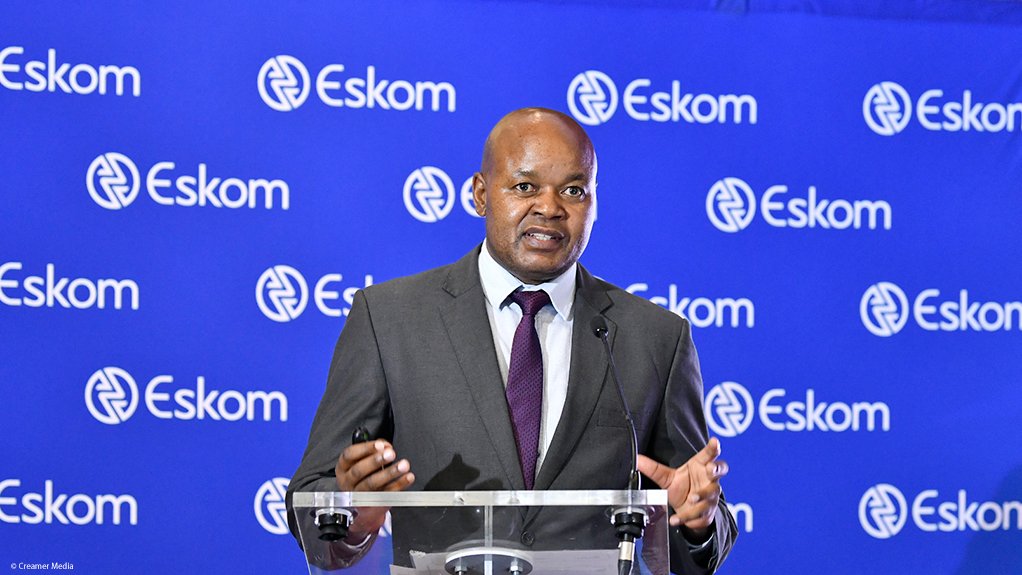
Eskom generation executive Bheki Nxumalo explained that global demand for gas turbines has created significant backlogs.
According to him, suppliers such as Siemens and General Electric currently have waiting periods of up to five years for critical equipment.
That delay alone makes it difficult for South Africa to meet its original coal retirement timeline.
Eskom Plans to Extend South Africa Coal Stations
As replacement projects remain delayed, Eskom is increasingly considering extending the operational life of existing coal-fired facilities.
Coal Plants May Operate Beyond Intended Lifespans
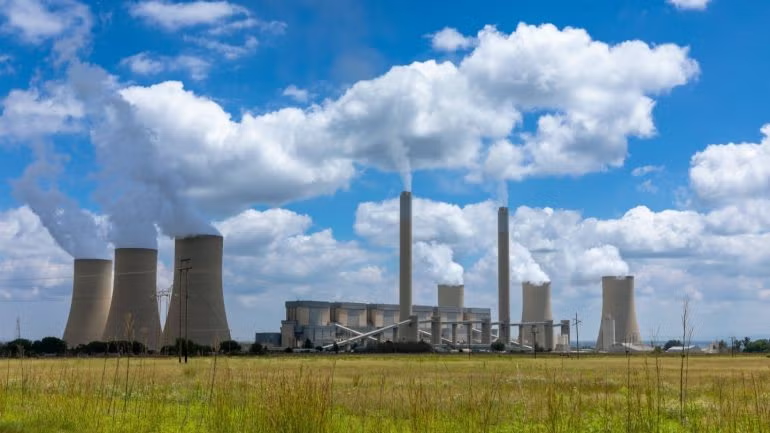
South Africa coal stations currently generate nearly 80% of the country’s electricity. Officials believe shutting them down too quickly could place the national power grid under severe strain.
Eskom had already approved a previous life-extension strategy in 2024 to stabilize electricity supply after years of rolling blackouts.
Energy Security Remains the Priority
Government representatives say maintaining stable electricity generation is essential for the economy. Concerns over energy shortages continue to influence policy decisions.
Officials argue that while renewable and gas projects remain important, coal still provides the most reliable large-scale energy source currently available in South Africa.
Rising Global Energy Pressures Influence Policy
International energy markets have also contributed to the decision to prolong the use of South Africa coal stations.
Global Gas Supply Concerns
Recent geopolitical tensions and disruptions in shipping routes have increased uncertainty around imported gas supplies.
South Africa does not produce enough domestic gas to meet future electricity demand, making imports necessary for planned gas-to-power projects.
Coal Prices and Demand Fluctuate Worldwide
While some countries have reduced coal use, global events have temporarily increased demand again in several markets.
The International Energy Agency previously reported declining coal use in countries such as China and India. However, disruptions in gas supply chains have led some countries to rely more heavily on coal in the short term.
Environmental Concerns Continue to Grow
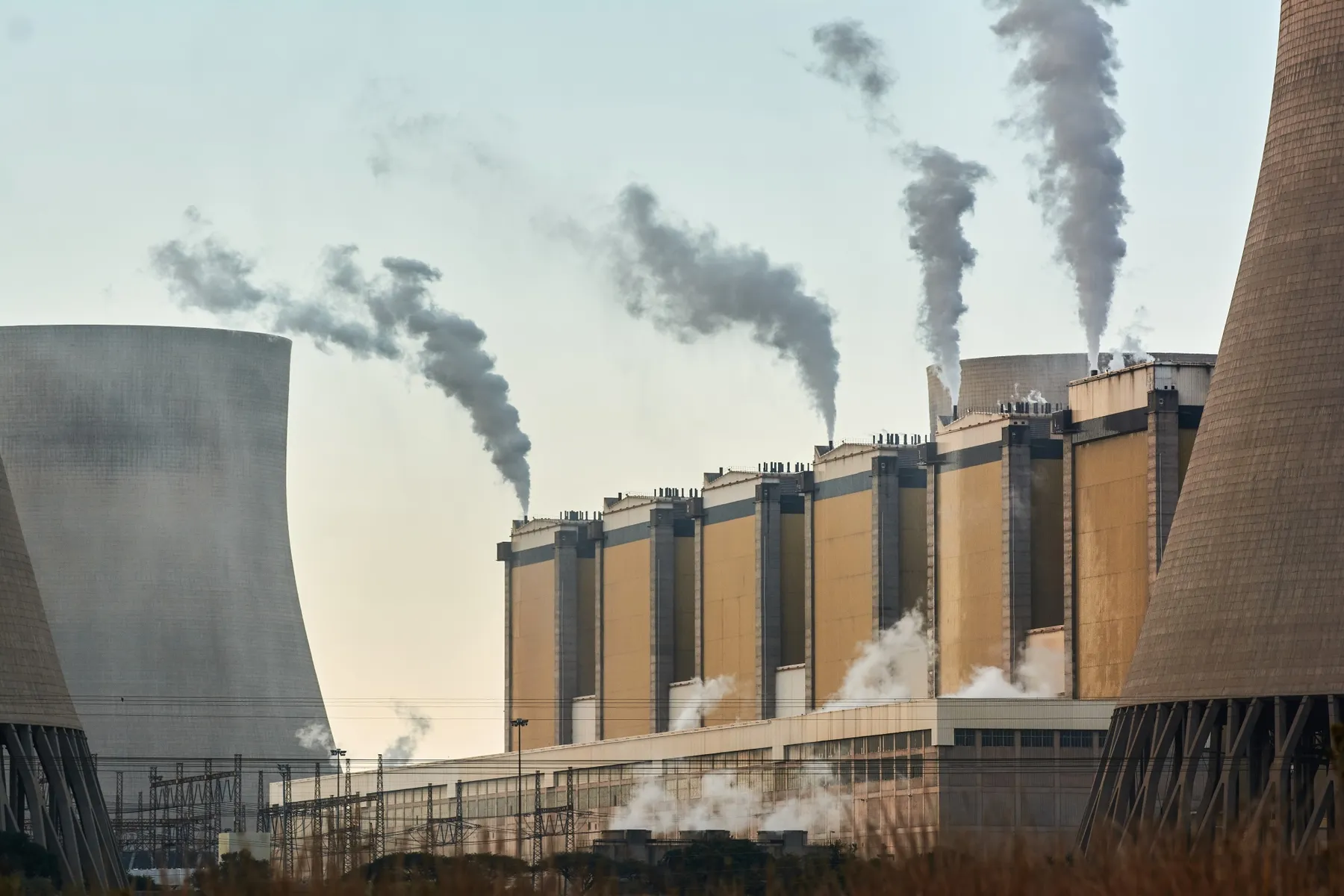
The continued operation of South Africa coal stations has raised concerns among environmental groups and health experts.
Air Pollution Impacts Nearby Communities
Studies from the South African Medical Research Council have linked coal plant emissions to serious health risks.
Communities living near coal facilities often experience:
- Increased respiratory illnesses
- Exposure to sulphur dioxide pollution
- Higher particulate matter levels
- Elevated long-term health risks

Environmental Groups Challenge Projects
Several environmental organizations have challenged Eskom’s approval processes for new gas infrastructure projects. One legal case forced the utility to restart parts of its environmental authorization process.
Despite those setbacks, Eskom says it still intends to move forward with gas-to-power developments.
Government Defends Continued Coal Investment
South African officials continue to defend coal as a strategic economic resource.
Coal Industry Supports Employment
Mining and energy officials argue that the coal sector supports thousands of jobs and remains vital to local economies, especially in regions dependent on mining activity.
Gwede Mantashe recently emphasized the importance of maintaining investment in coal-related projects and technologies.
Long-Term Coal Contracts Still Being Signed
Eskom recently signed coal supply agreements extending into the 2040s for some facilities. Those contracts suggest the utility may continue relying on coal power longer than initially planned.
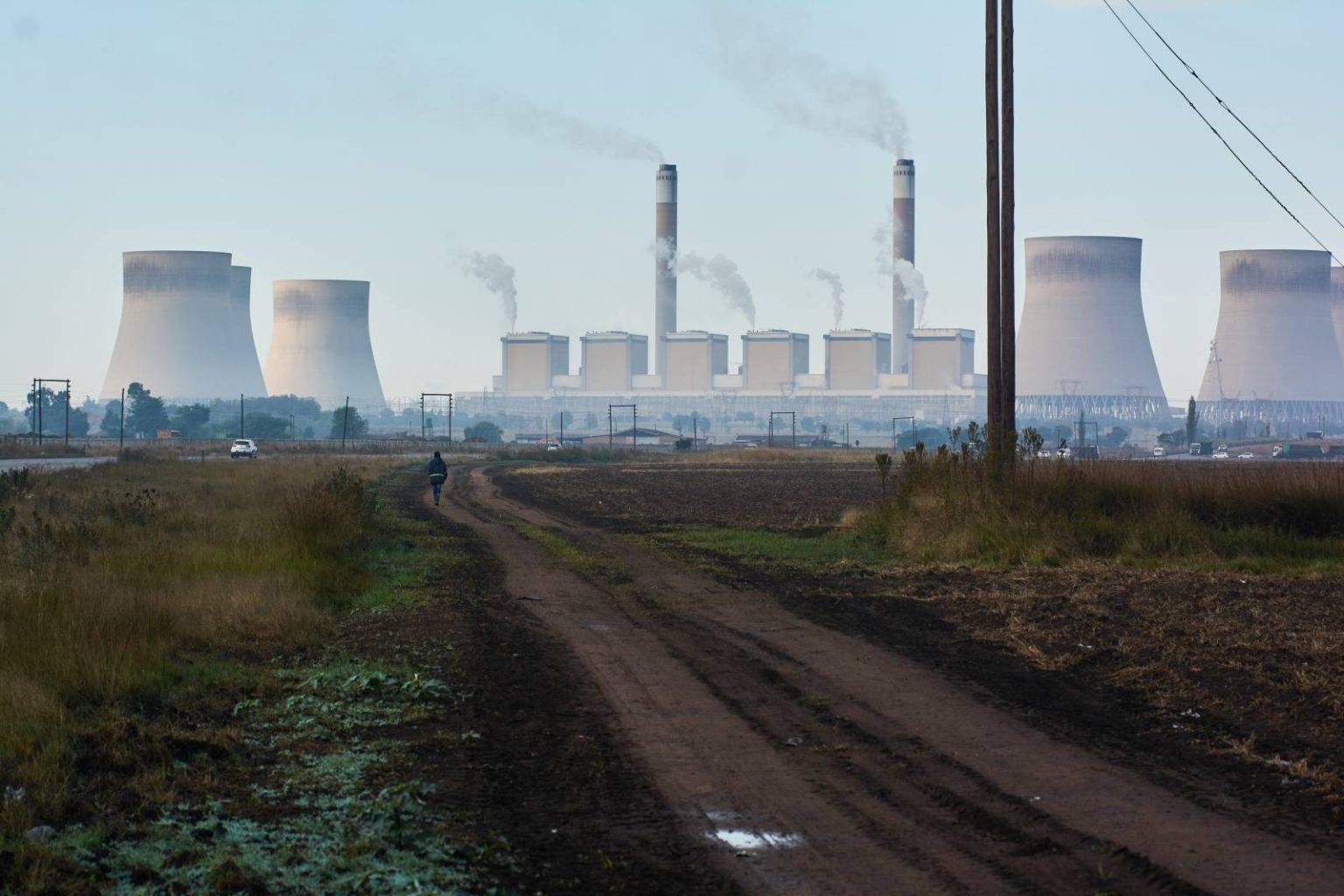
The Matla power station, which began operations in 1979, remains one of the facilities tied to long-term fuel supply arrangements.

South Africa’s Energy Transition Faces Complex Challenges
The debate surrounding South Africa coal stations reflects broader challenges facing developing economies during the global energy transition.
Balancing Climate Goals and Economic Stability
South Africa has received billions of dollars in international funding commitments aimed at supporting cleaner energy development. However, transitioning away from coal has proven slower and more difficult than expected.
The government must now balance several competing priorities:
- Preventing electricity shortages
- Maintaining economic growth
- Protecting mining-sector jobs
- Meeting environmental commitments
- Expanding cleaner energy infrastructure
Renewable Energy Expansion Still Ongoing
While coal remains dominant, South Africa continues to pursue renewable energy investments, including solar and wind projects. Officials say cleaner technologies remain part of the country’s long-term strategy despite current delays.
FAQ Section
Why is South Africa extending the use of coal stations?
Gas replacement projects are delayed, creating concerns about future electricity shortages.
How much electricity comes from South Africa coal stations?
Coal-fired plants currently generate about 80% of the country’s electricity supply.
What problems are delaying South Africa’s gas projects?
Legal challenges, equipment shortages, high gas costs, and infrastructure delays are slowing progress.
Are South Africa coal stations harmful to the environment?
Yes. Coal plants contribute to air pollution and health risks in nearby communities.
Conclusion
South Africa coal stations are likely to remain part of the country’s energy mix for longer than originally planned as gas infrastructure projects continue facing delays. While officials remain committed to long-term energy transition goals, concerns about electricity security, economic stability, and infrastructure readiness are driving decisions to extend the life of aging coal facilities. The situation reflects the complex balance between development, affordability, and environmental responsibility facing many emerging economies.
PLEASE CLICK HERE FOR MORE NEWS


