 0
0
 0
0
Overview
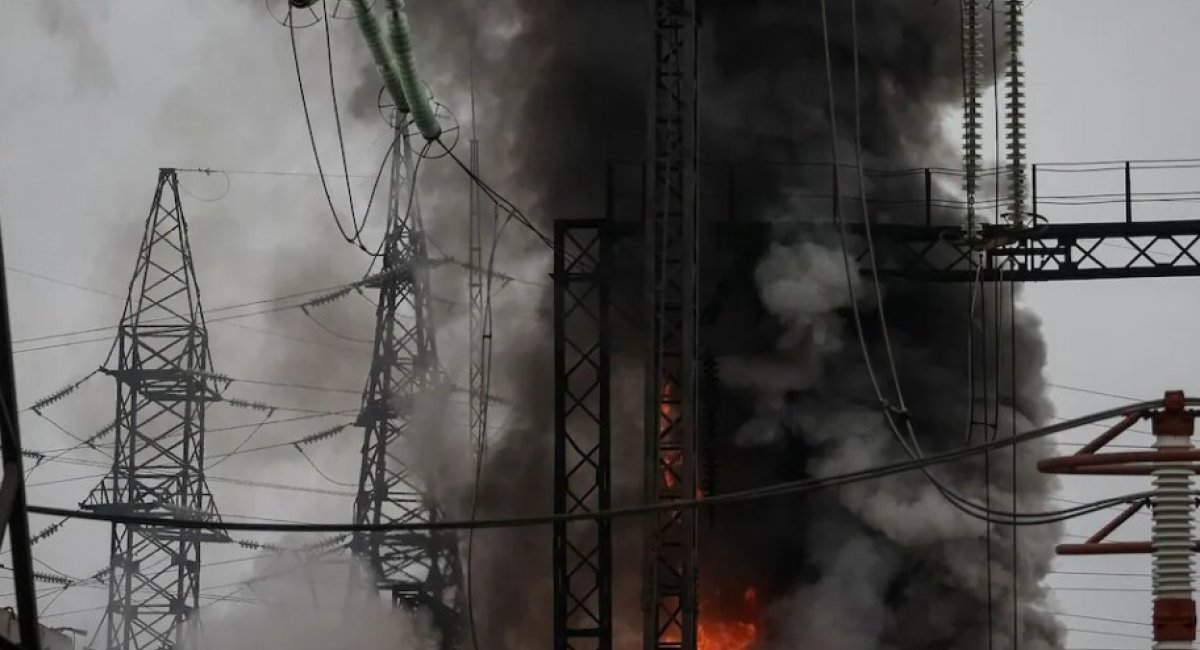
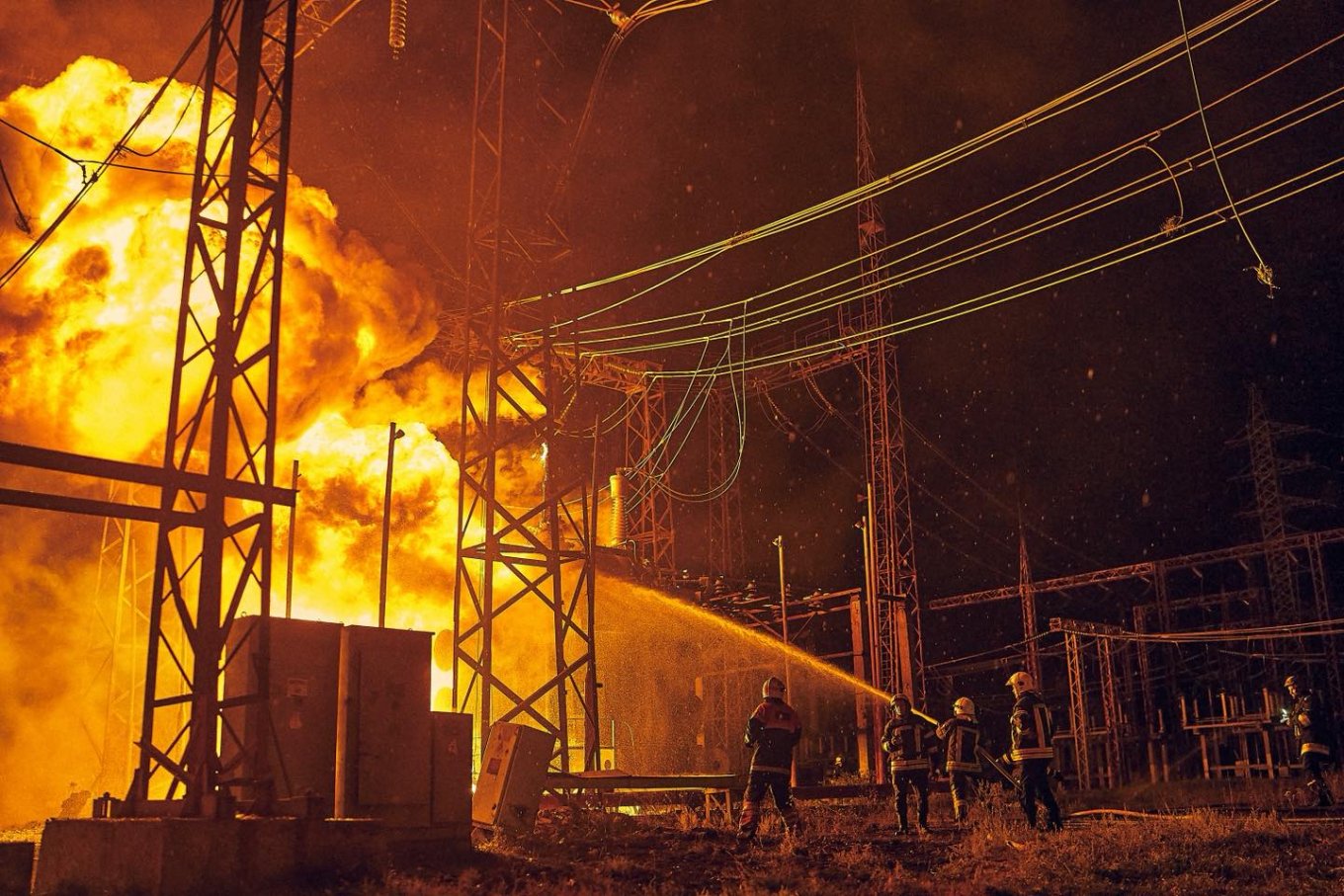
Since the beginning of Ukraine’s 2025–2026 heating season, Russian forces have launched 256 air attacks targeting the country’s energy and heating infrastructure. The Security Service of Ukraine, SSU, says the strikes form a coordinated campaign that deliberately targets civilian life and essential services.
According to the SSU, the attacks began in October 2025 and have focused on facilities responsible for electricity, heating, and water supply for residential areas.
Scale and Targets of the Attacks
The SSU reports that the following energy facilities were hit during the period:
-
11 hydroelectric power plants
-
45 large combined heat and power plants
-
49 targeted strikes on CHP facilities
-
151 electrical substations across multiple regions
The attacks involved a combination of Geran and Shahed drones, alongside Iskander, Kalibr, Kh-101, and Kh-69 missiles. Each strike reportedly used multiple weapons in coordinated waves.
Regions Most Affected
The hardest hit areas include:
-
Kyiv and Kyiv region
-
Kharkiv region
-
Odesa region
-
Dnipropetrovsk region
-
Sumy region
-
Mykolaiv region
-
Chernihiv region
During periods of severe cold, the strikes caused widespread electricity outages, heating failures, and water supply disruptions, affecting millions of civilians.
Legal Qualification and Ongoing Investigations
The SSU states that these actions meet the legal definition of crimes against humanity, citing the deliberate creation of life threatening conditions for civilians. Investigators continue to collect evidence at strike locations with the aim of holding those responsible accountable under Ukrainian and international law.
Crimes against humanity are classified as international offenses, meaning prosecution is possible in both domestic and foreign courts.
International Response and Diplomatic Developments
The latest strike occurred during an emergency United Nations Security Council meeting focused on earlier attacks on Ukraine’s infrastructure.
On January 15, the Organization for Security and Cooperation in Europe, OSCE, addressed the issue at Ukraine’s request, including concerns over continued attacks and the rejection of international peace initiatives.
Ukrainian officials have called for stronger international action, stressing that coordinated global pressure is necessary to deter further attacks.
Broader Impact on Energy Infrastructure
Data from Ukraine’s Ministry of Energy indicates that since the start of 2025, Russian forces have carried out approximately 4,500 attacks on energy facilities nationwide. During this period, nearly 1,800 missiles and 50,000 drones were launched at targets across the country.