


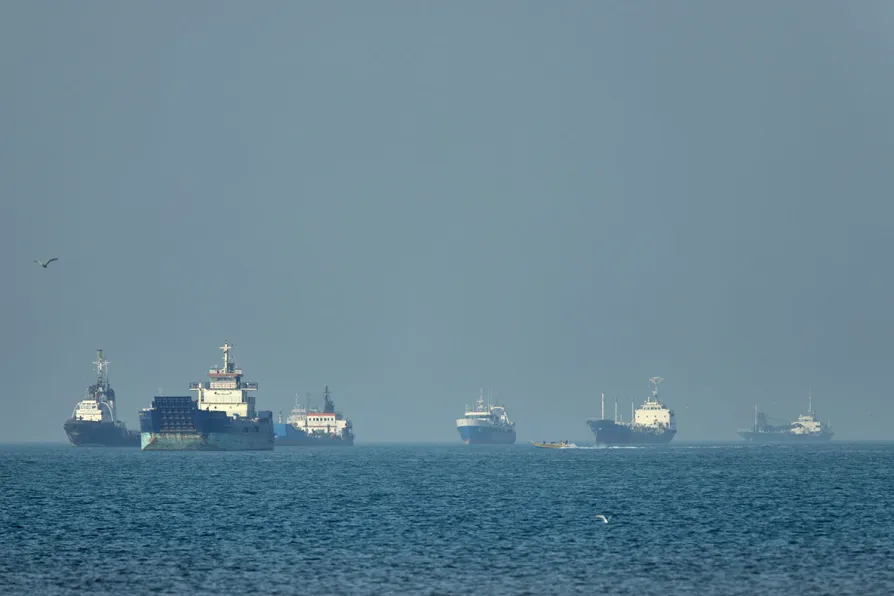
The ship seizure UAE coast report has drawn attention to growing maritime security concerns in one of the world’s most strategically important shipping corridors. Early reports suggest that a commercial vessel may have been intercepted or detained in waters near the United Arab Emirates, raising questions about safety, navigation rights, and regional stability in the Gulf.
Although full details remain limited, the situation highlights the sensitivity of maritime routes that pass through the Strait of Hormuz and surrounding waters, where a significant portion of global oil and cargo traffic transits daily.
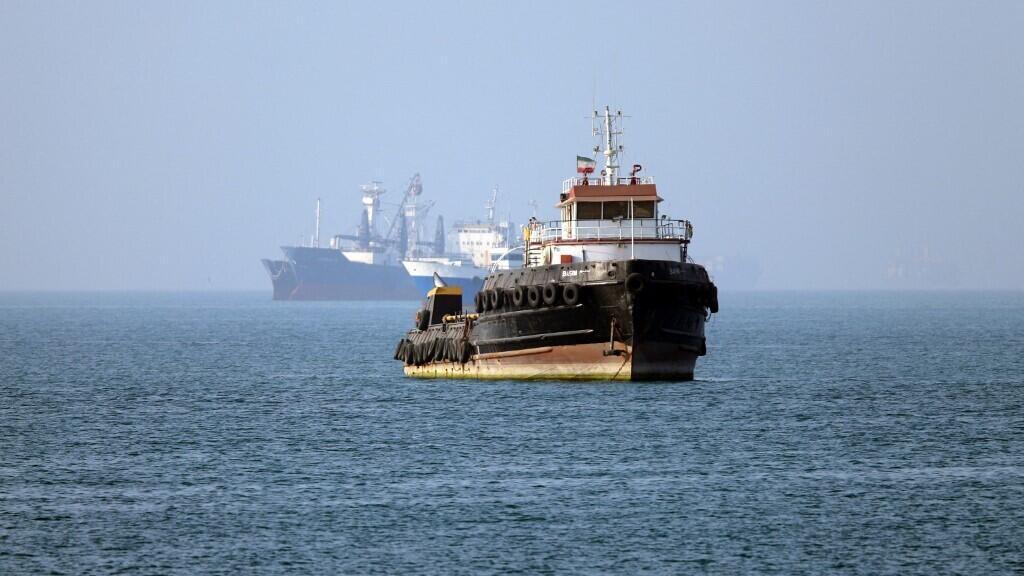

Incident Overview: What Is Known So Far
The reported incident involves a cargo vessel allegedly seized while operating off the coast of the UAE. At this stage, official confirmations remain limited, and maritime tracking updates have not fully clarified the vessel’s status.
Initial Reports and Vessel Activity
Early maritime monitoring data and regional shipping alerts indicate:
- A commercial cargo ship was operating near busy Gulf shipping lanes
- Communications may have been disrupted or altered suddenly
- Nearby vessels reported unusual activity in the area
- Authorities in the region have not released a detailed statement
The ship seizure UAE coast report continues to circulate as investigations and verification efforts are ongoing. In such cases, initial information often evolves as naval and maritime agencies confirm operational facts.
Uncertainty Around the Vessel’s Identity
At the time of reporting, key details such as:
- The ship’s name
- Ownership or flag state
- Cargo type
- Exact location at the time of the incident
remain unclear. Maritime incidents in this region are typically verified through multiple tracking systems and naval communications before final conclusions are made.
Strategic Importance of the UAE Maritime Region
The waters near the UAE form part of one of the most critical global trade corridors, connecting Asia, Europe, and Africa through the Persian Gulf and the Strait of Hormuz.
Why the Area Matters for Global Shipping
The region is essential because:
- Roughly one-fifth of global oil supply passes through nearby waters
- Major shipping lanes connect Gulf exporters to international markets
- The Strait of Hormuz is a narrow but heavily trafficked chokepoint
- Commercial vessels regularly navigate under strict security awareness
Because of this, any ship seizure UAE coast report immediately draws global attention from shipping companies, insurers, and governments.
Navigation Risks in Narrow Waterways
Shipping near the UAE and surrounding waters can be affected by:
- High traffic density in limited sea lanes
- Military patrol presence from multiple nations
- Occasional signal interference or communication disruptions
- Geopolitical tensions affecting maritime operations
These factors make the area both economically vital and operationally sensitive.
Strait of Hormuz and Regional Maritime Context
The nearby Strait of Hormuz is one of the most closely monitored maritime chokepoints in the world. It connects the Persian Gulf with the Arabian Sea and serves as a gateway for global energy shipments.
Shipping Traffic Through the Strait
Daily maritime movement includes:
- Oil tankers transporting crude and refined products
- Bulk carriers moving industrial and raw materials
- Container ships linking Asian and European ports
- General cargo vessels supporting regional trade
A ship seizure UAE coast report in or near this corridor raises concerns because even minor disruptions can affect global shipping schedules.
History of Maritime Tensions
The region has previously experienced:
- Vessel detentions under disputed circumstances
- Naval escorts for commercial shipping convoys
- Temporary disruptions to shipping routes
- Increased security patrol operations
These historical patterns contribute to heightened sensitivity whenever unusual maritime activity is reported.
Possible Implications of the Reported Incident
While full verification is still pending, incidents involving vessel seizures or detentions can have wide-ranging effects.
Impact on Global Trade Routes
Potential consequences may include:
- Temporary rerouting of commercial vessels
- Increased insurance premiums for Gulf shipping
- Delays in cargo delivery schedules
- Heightened risk assessments for shipping companies
The ship seizure UAE coast report could therefore influence operational decisions even before official confirmation is released.
Effects on Maritime Insurance and Costs
Shipping insurers often reassess risk levels in response to:
- Regional instability indicators
- Reports of vessel interference or detention
- Military activity near commercial routes
This can lead to increased shipping costs, which may eventually affect global supply chains.

Maritime Security and Monitoring Response
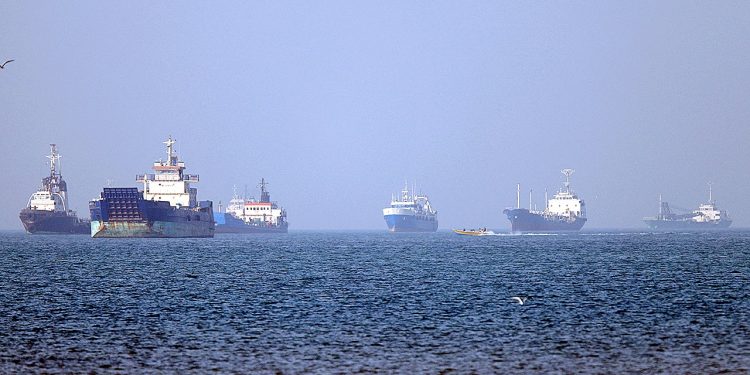
Whenever unusual maritime activity is reported, multiple international and regional bodies become involved in monitoring and verification.
Role of Maritime Surveillance Systems
Modern maritime tracking includes:
- Satellite-based vessel monitoring systems
- Automatic Identification System (AIS) data tracking
- Naval radar and patrol coordination
- Commercial shipping intelligence platforms
These systems help clarify the accuracy of a ship seizure UAE coast report and determine whether a vessel has been detained, rerouted, or experienced technical failure.
Government and Naval Coordination
Depending on the outcome of investigations, responses may involve:
- Regional coast guard assessments
- Diplomatic communication between flag states
- Security advisories for commercial shipping
- Joint maritime safety coordination efforts
Such coordination helps maintain stability in heavily trafficked waters.
Broader Context of Gulf Maritime Stability
The Gulf region remains one of the most closely observed maritime environments due to its global economic importance.
Key Stability Factors
Stability in the region depends on:
- Continued safe passage for commercial vessels
- Cooperation between regional maritime authorities
- Clear communication channels for shipping companies
- Rapid response mechanisms for maritime incidents
A ship seizure UAE coast report highlights how quickly uncertainty can spread across global logistics networks when information is incomplete.
Conclusion
The reported seizure of a ship near the UAE coast underscores the ongoing importance of maritime security in one of the world’s busiest shipping corridors. While details remain limited and subject to confirmation, the incident has already drawn attention due to its potential implications for global trade and regional stability.
As verification efforts continue, authorities and maritime agencies are expected to clarify the situation, determine the vessel’s status, and assess any broader security implications. For now, the ship seizure UAE coast report remains a developing maritime story closely watched by the international shipping community.
FAQ
What is known about the ship seizure UAE coast report?
The report suggests a vessel may have been detained near UAE waters, but official details have not yet been fully confirmed.
Why is the UAE maritime region so important?
It is part of a major global trade route, with significant oil and cargo shipments passing through nearby waters, especially the Strait of Hormuz.
Could this incident affect global shipping?
Yes, even unconfirmed maritime incidents can influence shipping routes, insurance costs, and operational planning.
Are such maritime incidents common in the Gulf region?
While not frequent, the region has experienced periodic maritime tensions and security alerts due to its strategic importance.
Click here fpr mpre news


