 0
0
 0
0
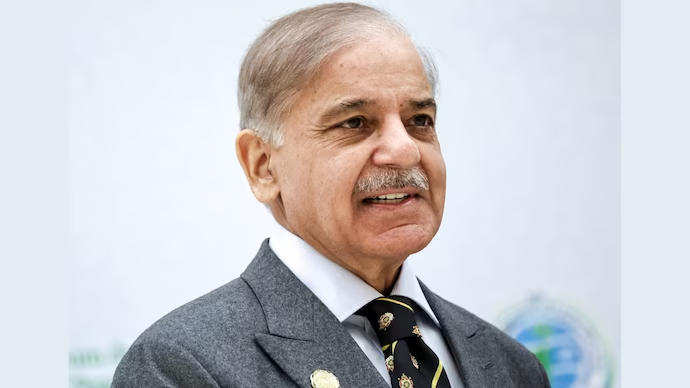
Shehbaz Sharif salary cuts state firms 2026 decision marks a significant austerity step by Pakistan’s government as it attempts to address the economic impact of rising fuel prices and regional geopolitical tensions. The plan introduces salary reductions ranging from 5% to 30% for employees working in state-owned enterprises and autonomous government institutions.
The measure was approved during a high-level review meeting chaired by Pakistan’s Prime Minister, where officials assessed the financial implications of the ongoing fuel crisis linked to international developments.
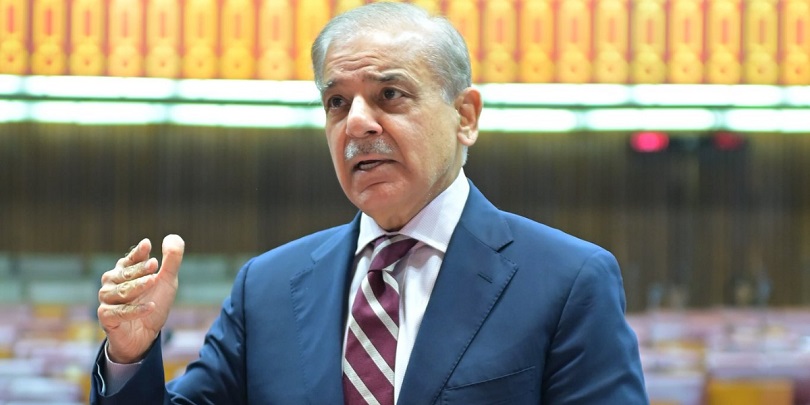
Pakistan Approves Salary Cuts Across State-Owned Enterprises
The Shehbaz Sharif salary cuts state firms 2026 initiative forms part of a wider austerity strategy aimed at reducing government expenditure and stabilizing public finances.
Scope of the Salary Reduction Policy
The new policy applies to employees working in:
-
State-owned enterprises (SOEs)
-
Autonomous government institutions
-
Public sector organizations under federal oversight
Salary reductions will vary depending on an employee’s grade, income level, and institutional policies.
Pay Cut Range
According to officials involved in the meeting, the approved salary reductions will fall within the following range:
-
5% reduction for lower-level employees
-
Up to 30% reduction for higher-paid officials and executives
The approach is designed to distribute the financial burden across different levels of public sector employment.
Fuel Crisis Drives Economic Pressure
The Shehbaz Sharif salary cuts state firms 2026 decision comes amid economic challenges caused by rising fuel prices and global geopolitical tensions.
Impact of International Conflict
Officials said the austerity plan was partly triggered by the fuel crisis linked to tensions involving the United States, Israel, and Iran.
Such geopolitical conflicts often disrupt energy supply chains and cause sharp increases in global oil prices.
When fuel prices rise internationally, countries that rely heavily on imported energy may face:
-
Increased transportation costs
-
Higher electricity generation expenses
-
Pressure on national budgets
-
Rising inflation in domestic markets
Economic Ripple Effects
Pakistan’s economy has historically been sensitive to energy price fluctuations because fuel imports represent a large share of the country’s foreign exchange spending.
Higher energy costs can affect multiple sectors, including:
-
Public transportation systems
-
Industrial production
-
Electricity generation
-
Government operating costs
These factors can place additional strain on public finances and foreign currency reserves.
Government Reviews Austerity Measures
The Shehbaz Sharif salary cuts state firms 2026 decision was approved during a meeting focused on reviewing economic stabilization measures.
High-Level Economic Meeting
The meeting brought together senior government officials to assess:
-
Fuel price fluctuations
-
Fiscal pressures on government institutions
-
Potential savings through cost-cutting measures
Officials evaluated several proposals aimed at reducing public spending while maintaining essential government services.
Broader Savings Strategy
In addition to salary reductions, the government has reportedly been considering other cost-saving initiatives, such as:
-
Reduced operational spending in public agencies
-
Delays in non-essential development projects
-
Improved efficiency in state-owned enterprises
These steps are intended to help the government manage financial pressures without significantly disrupting public services.
Role of State-Owned Enterprises in Pakistan
The Shehbaz Sharif salary cuts state firms 2026 policy affects organizations that play a key role in Pakistan’s public sector economy.
What Are State-Owned Enterprises?
State-owned enterprises are companies owned or controlled by the government that provide essential services or operate in strategic industries.
Examples of sectors typically managed by SOEs include:
-
Energy and power generation
-
Rail and transportation services
-
Aviation
-
Telecommunications
-
Infrastructure development
These institutions often employ large numbers of workers and require substantial government funding to operate.
Financial Challenges Facing SOEs
Many state-owned enterprises in Pakistan have faced financial challenges in recent years.
Common issues include:
-
Operational inefficiencies
-
High administrative costs
-
Dependence on government subsidies
Reforms and cost-control measures have frequently been proposed to improve their financial performance.
Economic Context of the Austerity Drive
The Shehbaz Sharif salary cuts state firms 2026 plan reflects broader efforts by the Pakistani government to manage economic pressures.
Fiscal Discipline Measures
Governments sometimes implement austerity policies to reduce public spending when facing economic stress.
Typical austerity measures may include:
-
Salary reductions or wage freezes
-
Cuts in administrative spending
-
Reduced subsidies
-
Tax reforms
These policies are often introduced during periods of economic instability or fiscal deficits.
Balancing Economic Stability and Public Impact
While austerity measures can help stabilize public finances, they can also affect household incomes and consumer spending.
Economic analysts often debate the balance between fiscal discipline and protecting public sector workers from sudden financial pressure.
Regional and Global Economic Factors
The Shehbaz Sharif salary cuts state firms 2026 announcement also reflects the influence of global events on national economic policies.
Energy Market Volatility
Energy markets can change rapidly during geopolitical conflicts.
When oil-producing regions experience instability, global prices may rise sharply.
For countries dependent on imports, this can lead to:
-
Higher government fuel subsidies
-
Increased transportation costs
-
Budgetary pressures
Government Responses to Fuel Price Shocks
Many governments respond to sudden fuel price increases through emergency economic policies, including:
-
Subsidy adjustments
-
Currency management
-
Spending reductions
Pakistan’s salary cut policy appears to be one of several strategies aimed at managing the financial consequences of rising energy costs.
FAQ
Why did Shehbaz Sharif approve salary cuts for state firms in 2026?
The Shehbaz Sharif salary cuts state firms 2026 decision was introduced as part of an austerity plan to address economic pressures caused by rising fuel prices and fiscal challenges.
How much salary reduction will employees face?
The policy introduces salary cuts ranging from 5% to 30%, depending on employee grade and position within state-owned enterprises.
Which organizations are affected by the salary cuts?
The cuts apply to employees working in state-owned enterprises and autonomous public institutions across Pakistan.
How is the fuel crisis affecting Pakistan’s economy?
Rising global fuel prices increase government spending on energy imports, raise operational costs across industries, and place pressure on public finances.
Conclusion
The Shehbaz Sharif salary cuts state firms 2026 policy highlights the economic challenges facing Pakistan amid rising global fuel prices and geopolitical tensions. By introducing salary reductions across state-owned enterprises, the government aims to reduce public sector spending while managing the broader financial impact of the energy crisis. As economic conditions continue to evolve, the effectiveness of these austerity measures will likely be closely monitored by policymakers and economic analysts.
PLEASE CLICK HERE FOR MORE NEWS