 0
0
 0
0
Senegal travel ban oil shock is shaping national policy as the government introduces strict austerity measures to manage the economic strain caused by soaring global energy prices. The decision reflects growing concern over budget instability and rising financial pressure across West Africa.
Government Imposes Travel Restrictions to Cut Costs
The administration in Dakar has suspended all non-essential foreign travel for ministers and senior officials. This move is part of a broader strategy to reduce government spending and stabilize public finances.
Strict Rules for Officials
Under the new directive:
- Only essential trips tied to urgent national interests are allowed
- Ministers must obtain approval before any international travel
- Government delegations are being minimized
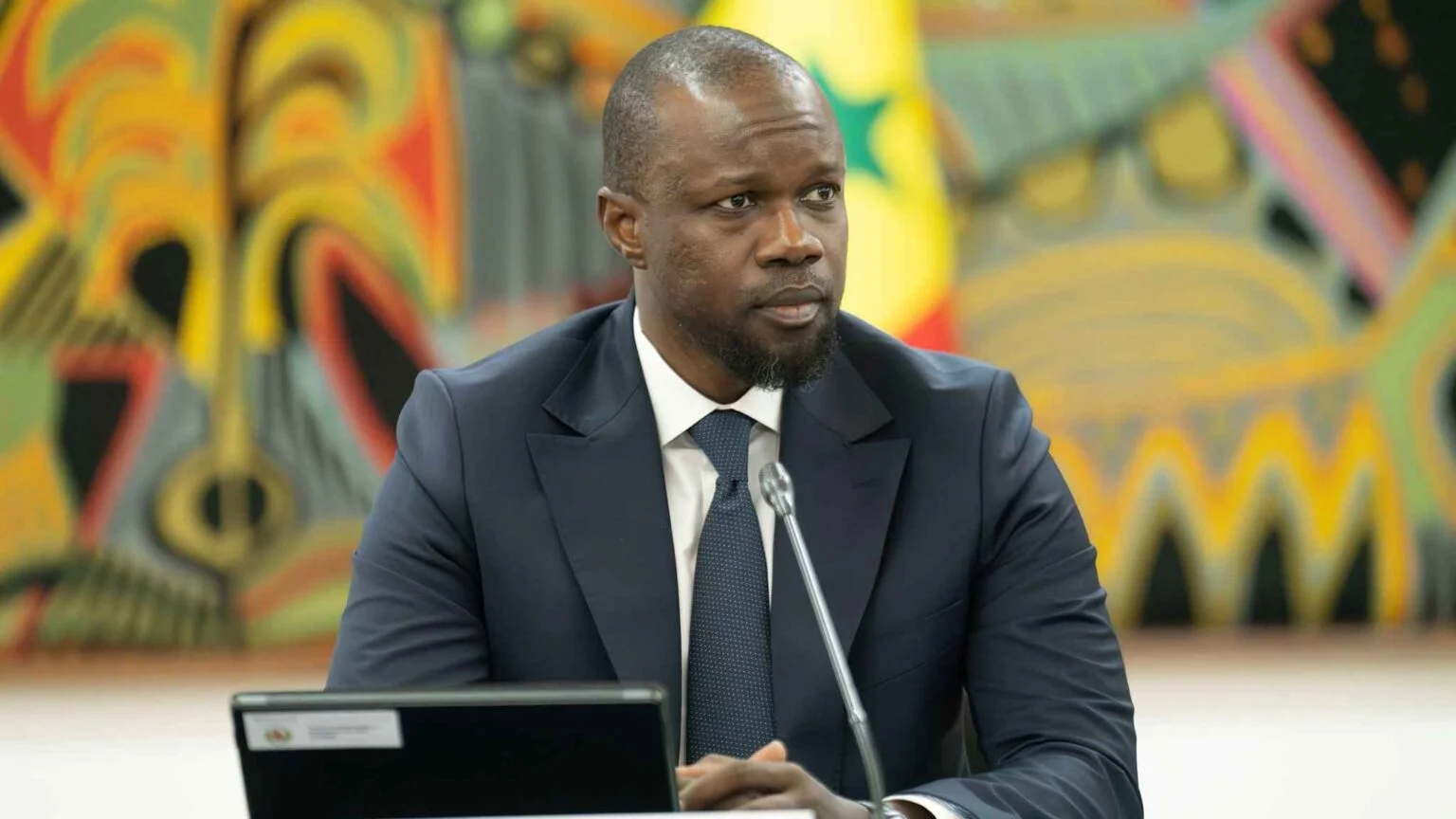
Prime Minister Ousmane Sonko emphasized that public officials must lead by example during this challenging period.
Leadership by Example
To reinforce the policy, Sonko reportedly canceled several planned official visits, including trips to:
- Niger
- Spain
- France
This approach signals a broader commitment to fiscal discipline at the highest levels of government.
Rising Oil Prices Disrupt National Budget
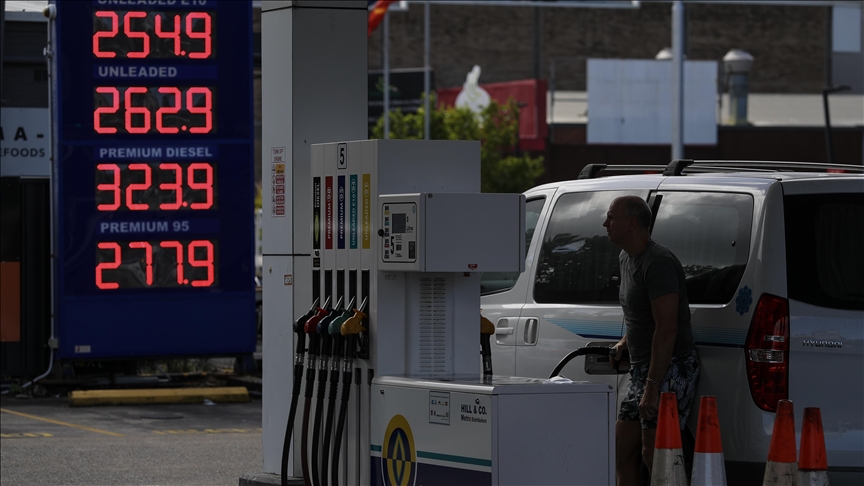
At the core of the Senegal travel ban oil shock is a sharp increase in global oil prices, which has significantly impacted the country’s financial planning.
Budget Assumptions No Longer Hold
Senegal’s national budget was originally based on an oil price of about $62 per barrel. However, global prices have surged to nearly $115 per barrel.
This dramatic increase has:
- Created a major budget deficit
- Increased fuel import costs
- Pressured government subsidies
Economic Consequences
The surge in oil prices is affecting multiple sectors, including:
- Transportation
- Electricity generation
- Industrial production
As a result, the Senegal travel ban oil shock is not only a government issue but also a broader economic challenge affecting businesses and households.
Regional Impact Across West Africa
The crisis is not limited to Senegal. Countries across West Africa are facing similar pressures due to rising energy costs and global geopolitical tensions.
Emergency Measures in the Region
Governments are responding with various strategies, such as:
- Increasing domestic fuel prices
- Introducing limited subsidy programs
- Encouraging remote work to reduce energy use
These measures aim to manage the economic fallout while maintaining essential services.
Inflation Risks Rising
Higher energy costs are contributing to inflation across the region. This includes:
- Increased transportation costs
- Higher food prices
- Rising cost of living
The Senegal travel ban oil shock highlights how global energy trends can quickly impact local economies.
Link to Global Geopolitical Tensions
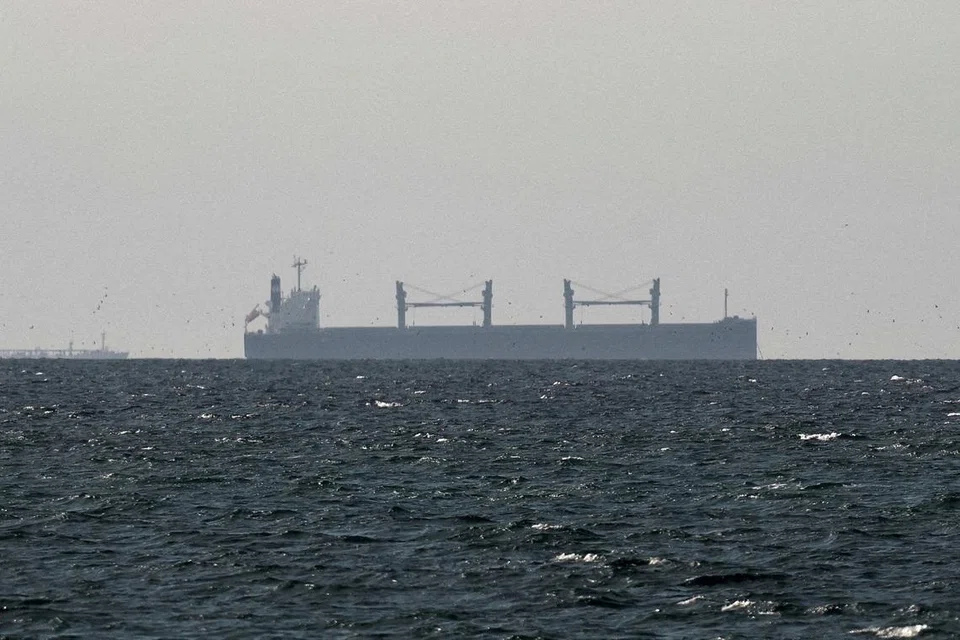
The current oil price surge is closely linked to escalating tensions in the Middle East, particularly involving major global powers.
Supply Concerns and Market Reactions
Conflicts affecting oil-producing regions often lead to:
- Reduced supply expectations
- Increased market uncertainty
- Price volatility
These factors have contributed to the rapid increase in oil prices seen in recent months.
Broader Economic Vulnerability
Countries that rely heavily on imported fuel, like Senegal, are especially vulnerable to such external shocks.
The Senegal travel ban oil shock underscores the importance of diversifying energy sources and strengthening economic resilience.
Additional Austerity Measures Expected
The government has indicated that the travel ban is only the first step in a broader set of economic reforms.
Upcoming Policy Announcements
Authorities are expected to introduce additional measures, which may include:
- Further spending cuts
- Energy efficiency initiatives
- Support for vulnerable populations
These policies aim to balance fiscal discipline with social protection.
Role of the Energy Ministry
The Ministry of Energy and Mines is expected to provide:
- Technical strategies to manage energy costs
- Plans to reduce dependence on imports
- Measures to protect key sectors
These efforts are critical to mitigating the long-term impact of the Senegal travel ban oil shock.
Long-Term Implications for Senegal
The current situation may have lasting effects on Senegal’s economic policies and development strategies.
Shift Toward Fiscal Discipline
The crisis is prompting a stronger focus on:
- Budget efficiency
- Reduced public spending
- Improved financial planning
Opportunities for Energy Transition
The oil shock may also accelerate investment in:
- Renewable energy sources
- Energy efficiency technologies
- Local energy production
Such changes could reduce vulnerability to future global price fluctuations.
Key Takeaways
- Senegal has banned non-essential travel for officials to reduce costs.
- Rising oil prices have nearly doubled from budget assumptions.
- The crisis is part of a broader regional and global economic challenge.
- Additional austerity measures are expected in the coming weeks.
- Long-term reforms may focus on energy diversification and fiscal stability.
FAQ Section
Why did Senegal impose a travel ban on officials?
Senegal introduced the travel ban to reduce government spending amid rising oil prices and economic pressure.
How are rising oil prices affecting Senegal?
They have increased fuel costs, disrupted the national budget, and contributed to inflation.
Is the crisis affecting other countries in West Africa?
Yes, several countries in West Africa are implementing similar measures to cope with rising energy costs.
What additional measures could Senegal introduce?
The government may implement further austerity policies, energy reforms, and support programs for citizens.
Conclusion
The Senegal travel ban oil shock reflects a broader economic challenge driven by global energy market instability. As the government moves to control spending and stabilize the economy, the situation highlights the interconnected nature of global events and local financial realities. The coming weeks will be crucial in determining how effectively Senegal navigates this period of economic uncertainty.
PLEASE CLCIK HERE FOR MORE NEWS