 0
0
 0
0
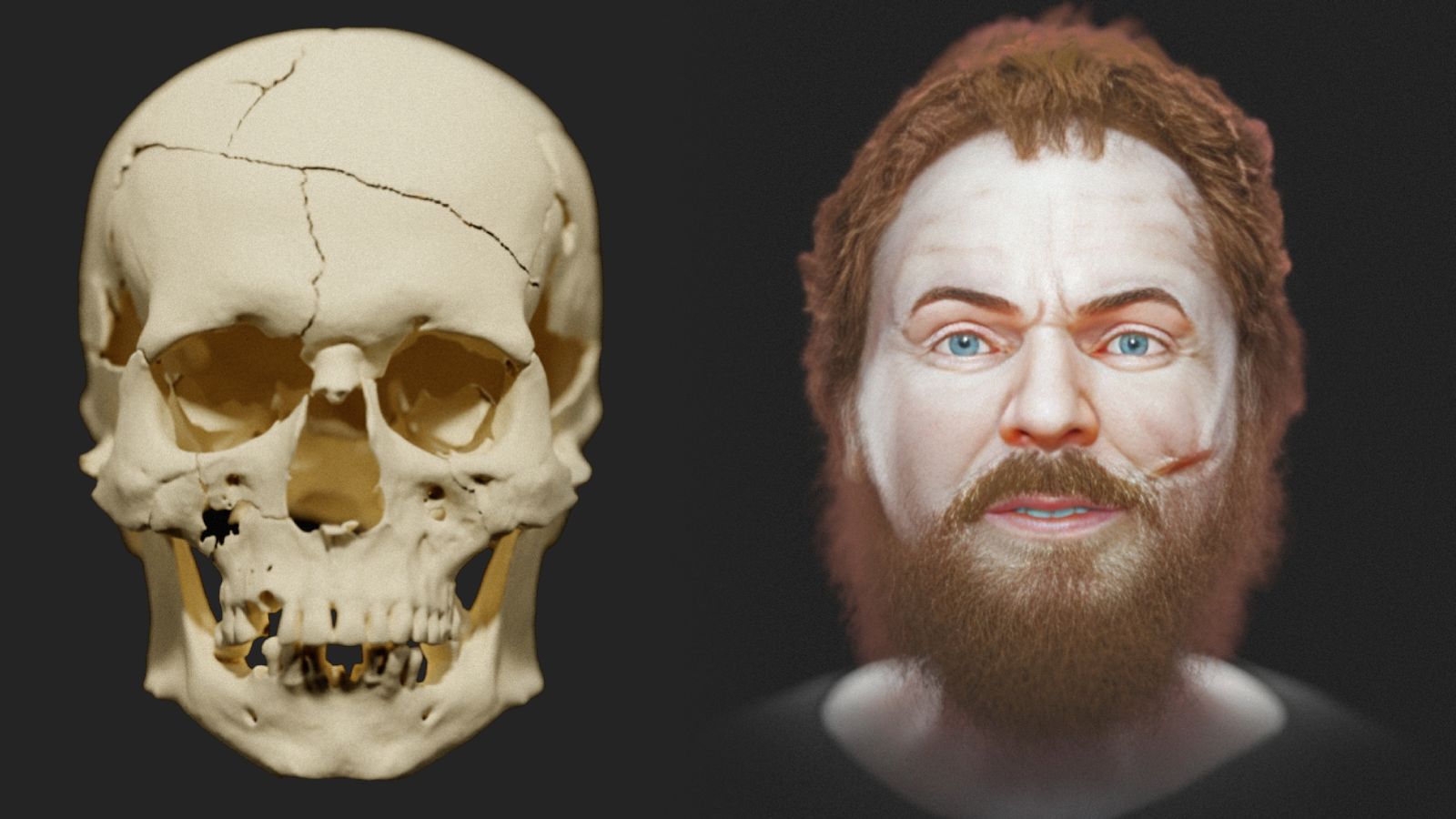
For the first time in over 400 years, scientists have rebuilt the face of a man once thought to be a “vampire.”
Archaeologists discovered his remains at Racesa, a fortress in eastern Croatia. They found that someone had exhumed, beheaded, and buried the body face down under heavy stones. Experts believe these actions aimed to prevent the man from returning from the dead. Natural causes alone cannot explain the damage.

A Violent Life
Archaeologist Natasa Sarkic, part of the excavation team, said the man’s violent life may have caused fear in his community even after death.
“Analysis shows he survived several serious conflicts before dying from a fatal head wound,” she explained. One attack left his face disfigured. As a result, people may have avoided him or feared him during life.
Communities often believed that people who died violently or lived deviant lives could return as vampires. His scars and injuries made him appear dangerous.

Anti-Vampire Burial Practices
In Slavic tradition, people believed the soul stayed attached to the body for about 40 days after death. During this period, communities used rituals to stop the dead from harming the living.
These rituals included staking, burning, beheading, burying the body face down, weighing it with stones, and binding limbs. The Racesa burial shows several of these measures. Therefore, it clearly reflects an anti-vampire ritual.

Reconstructing the Face
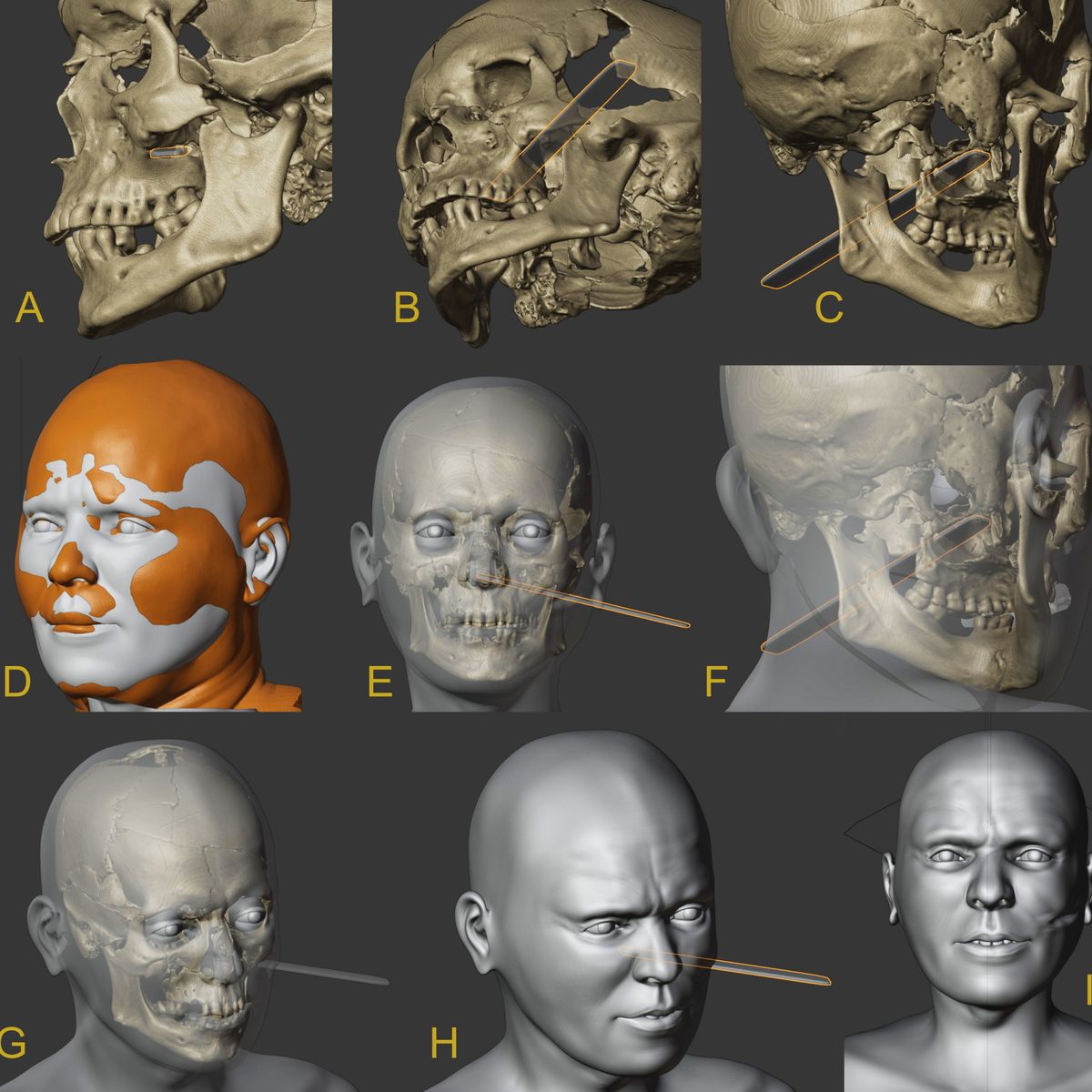
Graphics expert Cicero Moraes led the facial reconstruction. First, he used CT scans to digitally rebuild the man’s skull. Then, he applied soft tissue data from living donors to position facial features accurately.
He also used a technique called anatomical deformation, which adjusts donor heads to fit the skull. This method created an objective reconstruction based entirely on bone structure.
Next, Moraes produced a second, artistic version that added features such as hair and skin tone for a more lifelike appearance. He described the face as “hostile and threatening,” reflecting the scars and injuries from the man’s turbulent life.
Historical Context
The Racesa “vampire” lived in the 15th or 16th century. He stood about 5 feet 4 inches tall and likely died between 40 and 50 years old. His grave, located inside a church, was in an undesirable spot along the wall.
The decapitation was obvious. Experts found no cut marks on the neck, skull, or shoulders, which suggests someone removed the head after death.
The fortress of Racesa contained over 180 burials. Historically, it was occupied by the Templars, Knights Hospitaller, and local nobility.
Similar anti-vampire burials existed across Europe. For example, in Serbia, Petar Blagojevic was staked and burned in 1725 after people suspected vampirism. In Croatia, Jure Grando Alilovic, who died in 1656, is documented as a vampire.

Publication
The study, including the reconstructed face and forensic analysis, was published in the journal OrtogOnLineMag by Moraes, Sarkic, and colleagues.